
Introduction
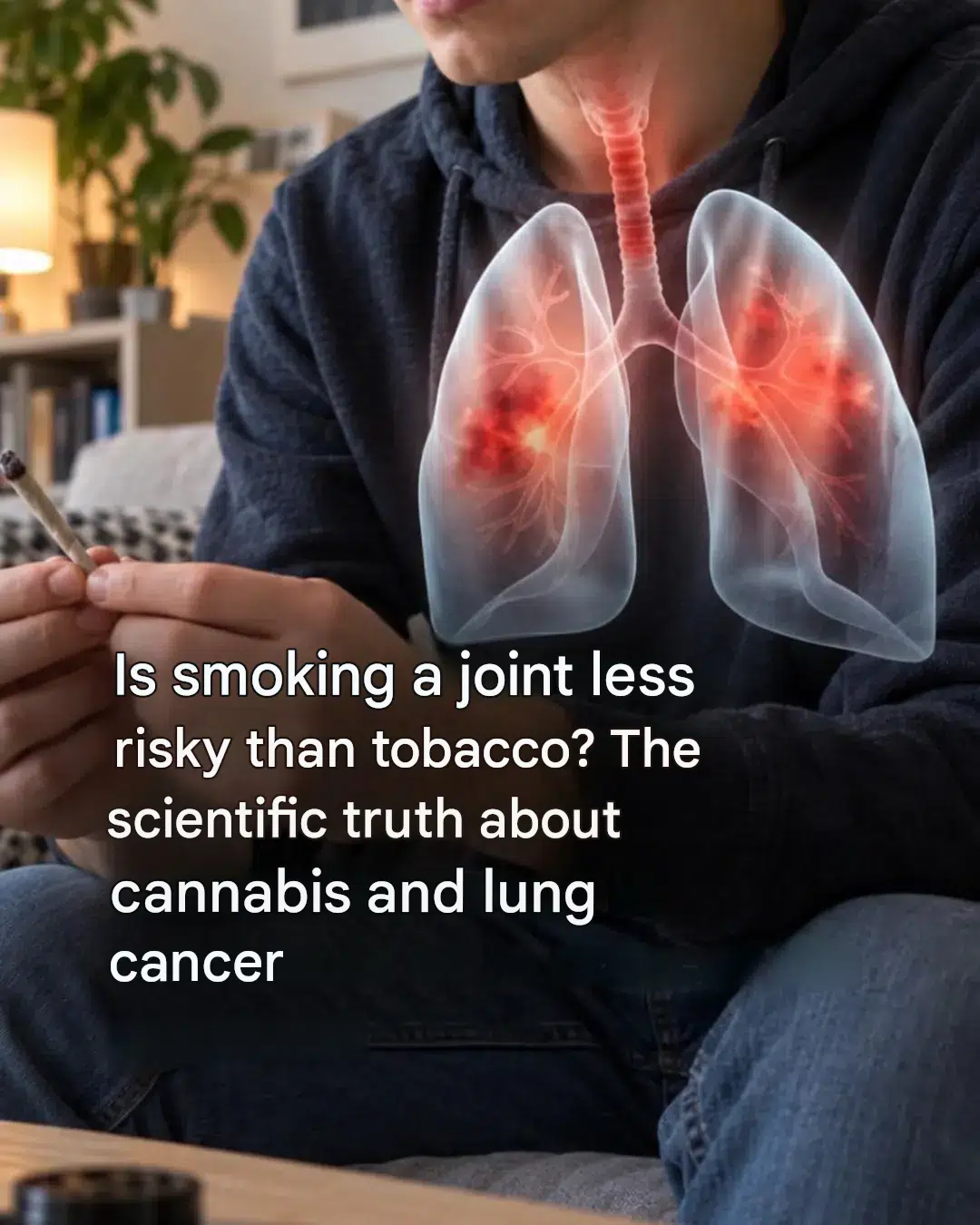
Important health and scientific awareness topics frequently capture attention across social media platforms, sparking crucial conversations about respiratory health and substance risks. When an image appears featuring a person holding a joint alongside an anatomical lung overlay with the headline, “Is smoking cannabis less risky than tobacco? The scientific truth about cannabis and lung cancer”, it immediately stops users from scrolling and encourages them to learn more about medical research and pulmonary care.
In this comprehensive guide, we will explore the respiratory effects of smoking cannabis, medical research findings, and the importance of maintaining proper health insurance and specialized healthcare services.
Understanding Respiratory Health and Smoking Risks
Protecting your lungs involves understanding the chemical impacts of smoking various substances on respiratory tissue.
- Pulmonary Irritation: Smoking cannabis introduces tar, carcinogens, and hot particulate matter into the airways, which can lead to chronic bronchitis and cellular irritation.
- Professional Medical Evaluation: Consulting qualified physicians and pulmonologists ensures accurate diagnosis and preventative care for respiratory conditions.
Healthcare Coverage and Medical Support
Ensuring access to specialized medical evaluation, diagnostic testing, and healthcare treatment requires robust health planning and reliable insurance coverage:
- Health Insurance Policies: Maintaining comprehensive health coverage ensures you can afford specialist consultations, diagnostic imaging, and necessary medical treatments.
- Specialized Healthcare: Access to dedicated medical professionals guarantees expert guidance on managing lung health and respiratory wellness.
Practical Tips for Protecting Respiratory Health
Taking a proactive approach to medical care and lung wellness involves sensible, everyday habits:
1. Monitor Respiratory Symptoms
Consult healthcare professionals promptly if you experience persistent coughing, wheezing, or shortness of breath.
2. Review Health Insurance Coverage
Ensure your health policy includes robust coverage for specialist pulmonology consultations, diagnostic tests, and preventative screenings.
3. Seek Medical Guidance
Always consult qualified physicians for evidence-based information regarding substance use and its long-term impact on physical health.
Interesting Facts About Cannabis and Lungs
- Combustion Byproducts: Inhaling smoke from any plant material, including cannabis, exposes lung tissue to harmful tars and combustion toxins similar to tobacco smoke.
- Respiratory Research: Modern medical studies continue to evaluate how cannabis smoke affects lung capacity, airway inflammation, and cellular health.
- Preventative Care: Routine medical checkups and open discussions with healthcare providers help catch early signs of respiratory decline.
Conclusion
Staying informed about respiratory health and prioritizing professional medical guidance is essential for maintaining physical well-being. By combining proactive health habits, scientific awareness, and comprehensive health insurance, you can safeguard your lungs. Share your thoughts on this health topic in the comments below!
Frequently Asked Questions (FAQ)
Is smoking cannabis safer for the lungs than tobacco?
While cannabis and tobacco smoke share many similar combustion toxins and irritants, both can cause respiratory irritation and cellular damage to the lungs.
How does health insurance support respiratory care?
Comprehensive health insurance plans assist by covering physician consultations, diagnostic pulmonary function tests, and treatments for respiratory conditions.
When should I see a doctor for respiratory issues?
You should schedule a medical evaluation if you experience a chronic cough, chest discomfort, or unexplained breathing difficulties.
