
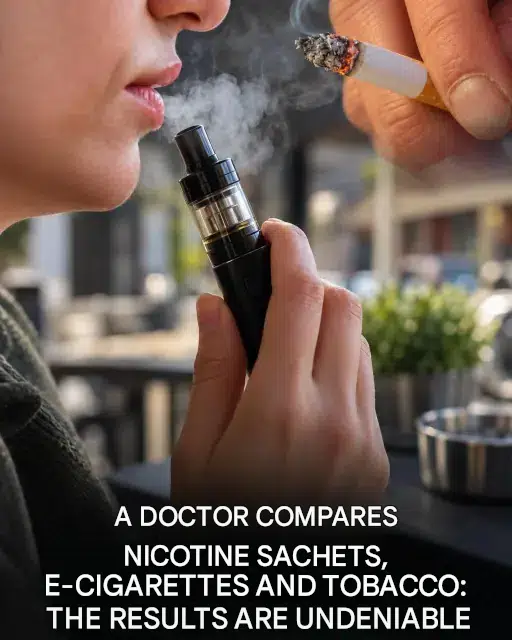
Introduction
In the modern landscape of public health, lifestyle choices, and consumer products, few debates generate as much intense discussion as nicotine consumption. For decades, traditional tobacco smoking dominated the conversation, leaving a heavy trail of medical complications, insurance burdens, and legal challenges in its wake. However, as technology and consumer science have evolved, alternative delivery systems have flooded the market. From electronic cigarettes and vaporizers to discreet nicotine pouches and sachets, individuals seeking a substitute for conventional cigarettes are faced with a complex array of options.
Much like evaluating long-term financial investments, assessing personal health risks requires careful data analysis, medical insights, and a clear understanding of the underlying mechanics. When medical professionals evaluate these products, they do not merely look at the presence of nicotine itself; they analyze combustion byproducts, chemical additives, and long-term systemic impact. This comprehensive guide explores a medical expert’s detailed breakdown comparing nicotine sachets, e-cigarettes, and traditional tobacco, empowering you with the evidence-based knowledge necessary to make informed decisions about your well-being.
The Traditional Tobacco Threat: Combustion and Carcinogens
To understand why alternative nicotine products emerged, one must first examine the gold standard of harm: traditional manufactured cigarettes and smoked tobacco. The primary danger of conventional smoking does not stem solely from nicotine—which, while addictive, acts primarily as a stimulant—but rather from the process of combustion.
When tobacco burns, it reaches extremely high temperatures, triggering a chemical reaction that releases thousands of toxic substances. Among these are tar, carbon monoxide, heavy metals, and dozens of known carcinogens. Inhaling these combustion byproducts directly into the delicate lung tissue causes chronic inflammation, destroys respiratory cilia, and dramatically increases the risk of cardiovascular disease, stroke, and lung cancer. From an insurance and health economics standpoint, traditional tobacco remains one of the single most damaging lifestyle choices an individual can make.
Comparing the Three Delivery Methods
1. Traditional Tobacco: The High-Risk Standard
As noted, smoking involves burning plant matter and inhaling complex chemical mixtures.
- Mechanism of Delivery: Combustion releases smoke containing over 7,000 chemicals, hundreds of which are toxic and carcinogenic.
- Health Impact: Severe respiratory damage, cardiovascular strain, high rates of cancer, and significantly reduced life expectancy.
- Social and Economic Cost: High healthcare expenses, increased life insurance premiums, and strict public regulation.
2. E-Cigarettes and Vapes: Aerosols Without Combustion
Electronic nicotine delivery systems (ENDS) were designed to eliminate combustion by heating a liquid solution—typically composed of propylene glycol, vegetable glycerin, flavorings, and nicotine—into an aerosol that the user inhales.
- Mechanism of Delivery: Heating liquid into vapor rather than burning organic material.
- Health Impact: While vapes eliminate tar and carbon monoxide, they still introduce chemical aerosols, fine particulates, and flavor compounds into the lungs, which can cause acute lung injury and long-term cardiovascular irritation.
- Regulatory Scrutiny: Growing concerns regarding adolescent usage, battery safety, and the long-term pulmonary effects of inhaling heated chemical flavorings.
3. Nicotine Sachets (Pouches): Smoke-Free and Vapor-Free
Nicotine sachets, or pouches, represent the latest evolution in smoke-free alternatives. These small, discreet packets contain pharmaceutical-grade nicotine, plant-based fibers, flavorings, and sweeteners, and are placed between the gum and lip without tobacco leaf or combustion.
- Mechanism of Delivery: Oral mucosal absorption of nicotine without inhalation or chewing of tobacco leaf.
- Health Impact: Completely eliminates lung exposure, tar, carbon monoxide, and smoke-related carcinogens, though it still delivers addictive nicotine and can cause mild gum irritation or cardiovascular stimulation.
- Lifestyle Appeal: Highly discreet, producing no secondhand smoke or vapor, making them a popular cessation aid for individuals trying to step away from smoking or vaping entirely.
Practical Tips for Nicotine Cessation and Health Improvement
Transitioning away from harmful habits requires a structured, multi-step strategy. Consider these expert-backed recommendations if you or someone you know is looking to reduce or eliminate nicotine dependency:
- Consult a Healthcare Professional: Speak with a physician or medical counselor to design a personalized cessation timeline utilizing medically approved nicotine replacement therapies (NRTs) like patches, gums, or lozenges.
- Identify and Avoid Triggers: Pinpoint the emotional, social, or environmental cues—such as morning coffee, stressful work situations, or social gatherings—that prompt cravings, and replace them with healthy habits.
- Monitor Financial and Health Milestones: Track the money saved by cutting out expensive tobacco products and celebrate physical milestones, such as improved lung capacity and lower blood pressure.
- Build a Support System: Inform friends, family members, or legal and financial advisors of your goals to maintain accountability and encouragement throughout your journey.
Interesting Facts About Nicotine and Human Biology
- Rapid Absorption: Nicotine is absorbed remarkably quickly into the bloodstream, reaching the brain within seconds of inhalation or mucosal contact, which explains its powerful reinforcing properties.
- Natural Occurrence: Nicotine is an alkaloid naturally produced by various plants belonging to the nightshade family, including tobacco, tomatoes, potatoes, and eggplants, acting as a natural defense mechanism against insects.
- The Shift in Public Health: Modern harm-reduction strategies increasingly focus on separating the delivery of addictive substances from toxic combustion methods, mirroring innovations seen across technology and finance.
Conclusion
When medical experts compare nicotine sachets, e-cigarettes, and traditional tobacco, the results highlight a clear spectrum of risk. While traditional smoking remains devastatingly harmful due to combustion and toxic carcinogens, alternative options like e-cigarettes and nicotine sachets offer varying degrees of harm reduction—with smoke-free oral pouches eliminating pulmonary risks altogether. Ultimately, while achieving a completely nicotine-free lifestyle is the gold standard for optimal health, understanding these differences provides valuable insight for those navigating personal wellness choices.
FAQ Section
Are nicotine sachets safer than traditional cigarettes?
Yes. Because nicotine pouches do not involve combustion or tobacco leaf, they eliminate exposure to tar, carbon monoxide, and thousands of toxic smoke chemicals, making them significantly less harmful to the lungs than smoking.
Do e-cigarettes contain tar?
No. E-cigarettes heat a liquid solution to create an aerosol rather than burning organic material, meaning they do not produce tar. However, they do introduce other chemical flavorings and particulates into the respiratory system.
Can nicotine pouches help people quit smoking?
Many individuals use oral nicotine sachets as a smoke-free alternative to gradually step down their nicotine intake or replace smoking rituals, though consultation with a healthcare provider is recommended for structured cessation.
What are the primary health risks associated with nicotine itself?
While nicotine is addictive and can cause temporary increases in heart rate and blood pressure, the vast majority of deadly health consequences associated with tobacco use stem from the thousands of toxic chemicals released through smoke combustion.
