
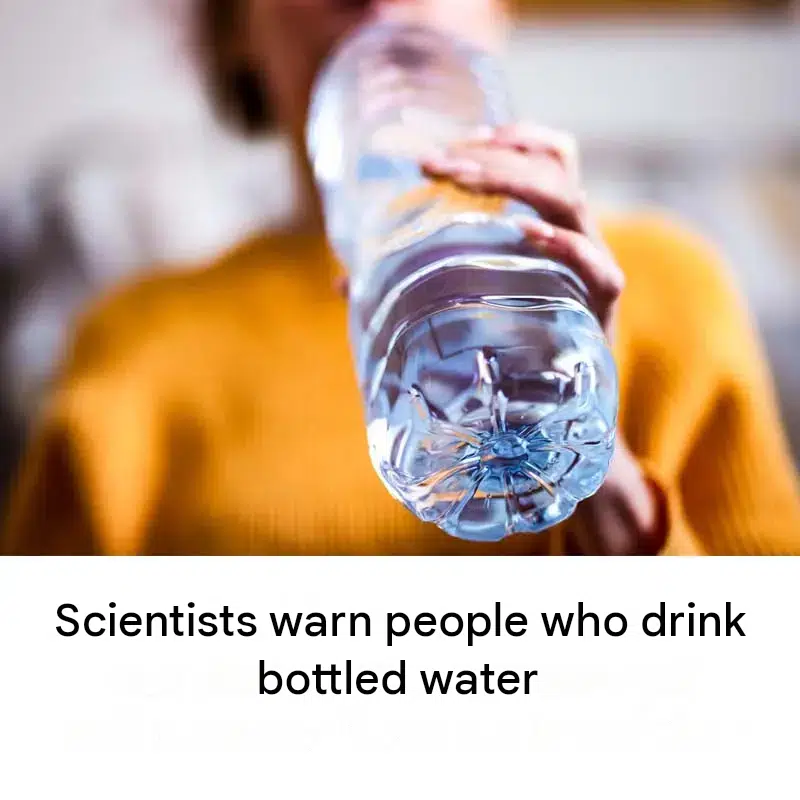
For decades, bottled water has been marketed as a pure, clean, and healthy alternative to tap water. Millions of consumers worldwide rely on single-use plastic bottles for daily hydration, convenience on the go, and perceived health benefits. However, recent scientific studies and advanced laboratory testing have revealed startling findings that are prompting researchers and environmental scientists to issue urgent warnings to regular bottled water drinkers.
Behind the convenience of crisp spring water packaged in polyethylene terephthalate (PET) containers lies a hidden contamination issue: microscopic plastic fragments and nanoparticles shedding directly into the water you consume. Understanding how these microplastics enter your beverages, what potential risks they pose to human health, and how you can adapt your daily habits is essential for long-term well-being.
In this comprehensive guide, we will examine the scientific research behind microplastics in bottled water, explore the health and environmental implications, review practical alternatives, and discuss how proper medical wellness planning, health insurance coverage, and financial protection safeguard your lifestyle.
The Hidden Threat: How Microplastics Enter Bottled Water
Recent high-tech analytical studies utilizing advanced laser spectroscopy have revealed that popular brands of bottled water can contain hundreds of thousands of microscopic plastic particles per liter—quantities significantly higher than previously estimated by traditional testing methods.
Where Do These Particles Come From?
Microplastics and nanoplastics find their way into bottled beverages through several distinct mechanisms:
- Bottle Manufacturing and Packaging: The physical process of molding plastic preforms into bottles, capping them, and sealing containers generates microscopic shavings and debris that remain inside the bottle prior to filling.
- Cap Friction and Opening: Twisting open a plastic cap creates friction against the neck threading, shedding tiny plastic particles directly into the liquid.
- Degradation from Sunlight and Heat: Exposing bottled water cases to sunlight, high temperatures during transport, or prolonged storage causes the plastic polymer structure to break down, releasing fragments into the water.
Health Implications and Medical Awareness
As scientists uncover the pervasive presence of microplastics in food and water supplies, medical researchers are actively investigating how these microscopic foreign materials interact with human biological systems.
Cellular Interaction and Absorption
Because nanoplastics measure less than a micrometer in size, laboratory studies suggest they possess the capability to cross cellular membranes, enter the bloodstream, and accumulate in vital organs. While research into the long-term toxicological impacts of chronic plastic ingestion is ongoing, health professionals emphasize the importance of minimizing unnecessary exposure.
Proactive Health Management and Wellness
Maintaining long-term health involves staying informed about environmental toxins and maintaining regular medical checkups with a primary care physician. Ensuring your household is supported by comprehensive health and medical insurance guarantees access to professional diagnostic screenings, preventive wellness counseling, and specialized care if health concerns arise.
Practical Alternatives for Safe Daily Hydration
Reducing your reliance on single-use bottled water is one of the most effective ways to lower your daily microplastic consumption while simultaneously benefiting the environment.
1. Invest in Advanced Home Filtration Systems
Installing a high-quality carbon block or reverse osmosis (RO) water filtration system under your kitchen sink or using certified pitcher filters can effectively remove microparticles, contaminants, and heavy metals from your tap water.
2. Switch to Reusable Stainless Steel or Glass Bottles
When you are on the move, carry your filtered water in durable stainless steel or glass containers. These materials do not degrade, leach plastic polymers, or contribute to single-use plastic waste.
3. Proper Storage Practices
If you must store water in plastic containers, keep them away from direct sunlight and high-temperature environments (such as a hot car trunk) to minimize polymer breakdown and chemical leaching.
Fascinating Facts About Plastics and Water
- Global Plastic Production: Humanity produces over 400 million tons of plastic annually, a significant portion of which goes toward single-use packaging and beverage bottles.
- Persistence in the Environment: Standard plastics do not biodegrade; instead, they photo-degrade under UV light, breaking down into smaller and smaller pieces known as microplastics and nanoplastics.
- Tap vs. Bottled Comparison: Studies have consistently shown that municipal tap water generally contains significantly lower concentrations of microplastic particles compared to commercially packaged bottled water.
Conclusion
The scientific warnings surrounding bottled water highlight an important intersection between modern convenience, environmental pollution, and human health. While drinking water remains vital for survival, becoming mindful of how our beverages are packaged and consumed allows us to make healthier, safer choices.
By transitioning to filtered tap water, utilizing reusable glass or steel containers, and staying proactive about your medical wellness, you can protect your body from unnecessary microplastic exposure while promoting a cleaner planet.
Frequently Asked Questions (FAQ)
1. Are all bottled water brands contaminated with microplastics?
Advanced scientific testing has detected microplastics across a wide variety of bottled water brands, including both purified municipal water sources and natural spring water packaged in plastic. The concentration varies depending on packaging materials and manufacturing processes.
2. Can boiling bottled water remove microplastics?
No. Boiling water does not remove microplastics; in fact, some studies suggest that boiling water in plastic containers or letting it sit in plastic vessels can accelerate the release of microparticles and chemical additives.
3. What are nanoplastics, and why are they dangerous?
Nanoplastics are even smaller than microplastics (measuring less than one micrometer). Because of their minuscule size, scientists worry they can more easily penetrate human cell membranes and biological barriers within the body.
4. Is tap water safer than bottled water regarding plastics?
In terms of plastic contamination, municipal tap water generally contains far fewer microplastic particles than commercially bottled water packaged in single-use plastic containers.
5. How can I test my home tap water for contaminants?
You can request a comprehensive water quality report from your local municipal water provider or purchase an at-home water testing kit to analyze your tap water for minerals, bacteria, and particulate matter.
