
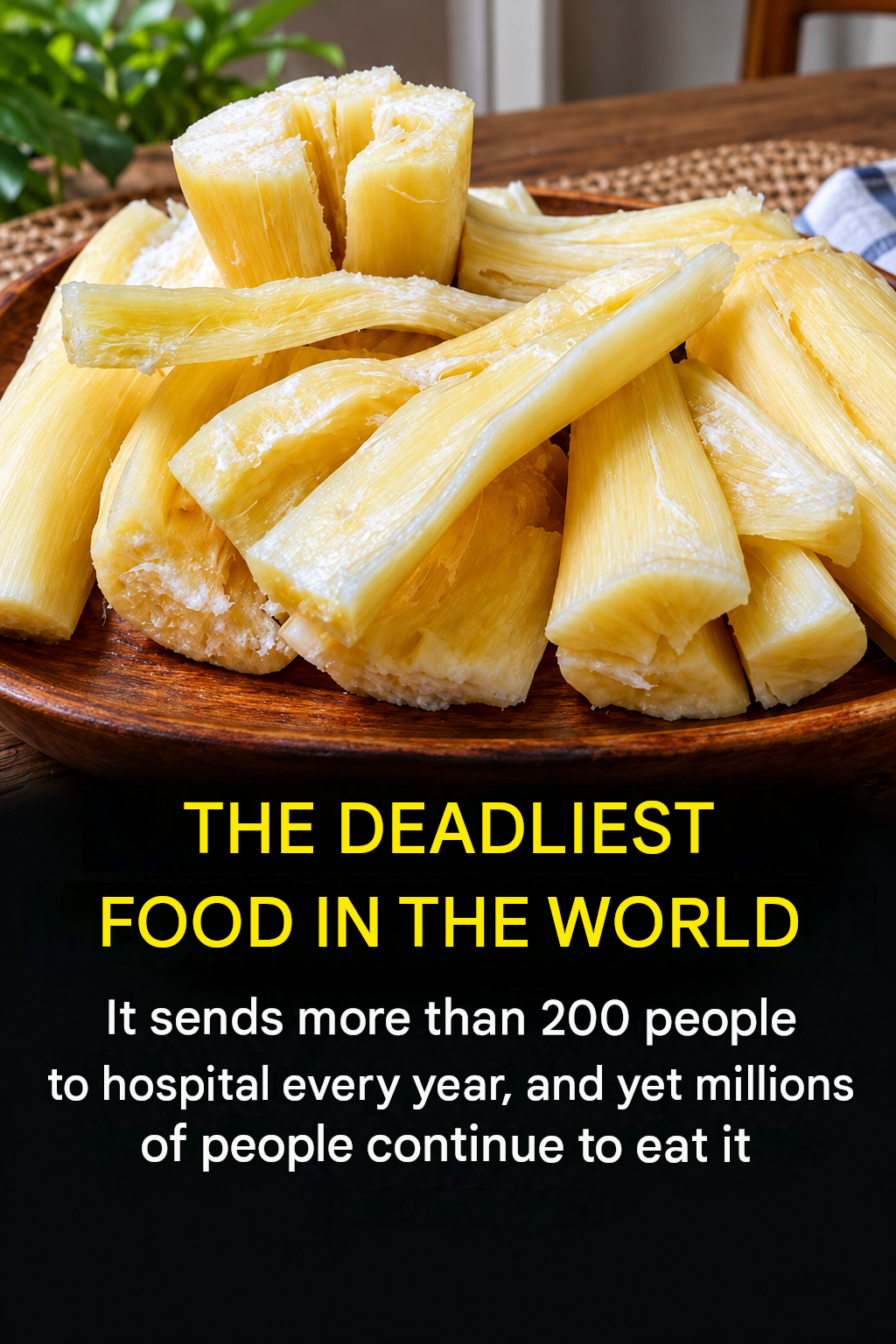
When people think of dangerous foods, exotic delicacies like Japanese fugu pufferfish or fermented shark often come to mind. However, one of the most widely consumed crops across the globe carries a hidden danger that sends hundreds of people to the hospital every year, yet remains a vital dietary staple for millions of communities. That food is cassava (also known as yuca, manioc, or Brazilian arrowroot).
Cassava is a robust, starchy root vegetable native to South America, but it is now cultivated extensively across Africa, Asia, and Latin America. It serves as a major source of carbohydrates and calories for over 800 million people worldwide. Despite its immense popularity and nutritional value, raw or improperly prepared cassava contains a lethal chemical compound that requires meticulous processing before it can be safely consumed.
Understanding the science behind toxic foods, food safety protocols, and agricultural processing gives us a deeper appreciation for how cultures around the world harness nature safely. Below, we explore the history of cassava, the science of its natural toxins, proper preparation techniques, and how food safety intersects with global health and household resource management.
The Science of Toxicity: Why Raw Cassava Is Dangerous
To understand why improper preparation leads to hospitalizations, it is essential to examine the chemical makeup of the cassava plant.
Cyanogenic Glycosides and Linamarin
Cassava plants naturally produce chemical compounds called cyanogenic glycosides, primarily linamarin and a smaller amount of lotaustralin. These compounds act as a natural defense mechanism for the plant, deterring hungry insects and grazing animals from eating the roots and leaves.
When a human or animal eats raw or improperly cooked cassava, enzymes in the digestive tract break down these glycosides, converting them into hydrogen cyanide—a rapidly acting and extremely potent cellular poison. Consuming raw bitter cassava can lead to acute cyanide poisoning, causing dizziness, vomiting, rapid pulse, organ failure, and in severe cases, death.
Sweet Versus Bitter Varieties
Agricultural scientists classify cassava into two main categories: “sweet” and “bitter” varieties.
- Sweet Cassava: Contains lower concentrations of cyanogenic glycosides mostly concentrated in the outer peel, making it much easier and faster to detoxify through simple boiling or roasting.
- Bitter Cassava: Contains significantly higher levels of toxins throughout the entire root. It requires intensive processing—such as prolonged soaking, extensive washing, crushing, fermentation, and thorough drying—to eliminate dangerous toxins completely.
Step-by-Step Guide: How Communities Safely Prepare Cassava
For centuries, indigenous populations and farmers in tropical regions have mastered precise techniques to transform toxic cassava roots into safe, nourishing meals.
+------------------------------------+-------------------------------------+-----------------------------------+
| Cassava Processing Step            | Direct Purpose                      | Safety Benefit                    |
+------------------------------------+-------------------------------------+-----------------------------------+
| Thorough Peeling                   | Removes outer skin layer            | Eliminates bulk of cyanogens      |
| Extended Soaking & Fermentation    | Breaks down chemical glycosides     | Allows toxins to leach out        |
| Grating and Pressing               | Releases cellular plant liquids     | Expels liquid cyanide compounds   |
| Complete Cooking (Boiling/Baking)  | Denatures remaining enzymes         | Ensures final food product is safe|
+------------------------------------+-------------------------------------+-----------------------------------+
1. Complete Peeling
The highest concentration of toxins resides in the thick outer brown skin and immediate inner peel. Safely preparing cassava begins with completely slicing away all peel layers before cooking.
2. Soaking and Fermenting
In communities that rely heavily on bitter cassava, roots are submerged in water for several days. This fermentation process allows natural bacteria and enzymes to break down the remaining cyanogenic compounds safely.
3. Thorough Cooking
Raw cassava should never be eaten. Whether boiled, fried into crispy chips, or ground into fine flour (such as garri or tapioca), the food must be subjected to high heat until cooked completely through.
Practical Tips for Safe Grocery Handling and Food Prep
While fresh bitter cassava is rarely sold unpeeled in standard American supermarkets, frozen or processed yuca roots are widely available. Following standard culinary safety rules ensures your kitchen remains safe.
Inspect and Store Roots Properly
Always keep fresh root vegetables in cool, dry conditions. If you purchase fresh cassava with mold, soft spots, or unusual bruising, discard it immediately.
Avoid Cross-Contamination
When preparing unfamiliar root vegetables, keep cutting boards and utensils clean. Wash your hands thoroughly after handling unwashed produce to maintain high kitchen hygiene standards.
Connecting Food Safety to Personal Finance and Health
Managing food preparation safely protects your household against unexpected medical emergencies, emergency room visits, and costly health insurance claims.
Protecting Family Health and Wellness
Food poisoning or chemical toxicity requires immediate medical attention, resulting in expensive hospital bills and lost productivity. Investing time in proper food literacy and safe cooking methods safeguards your physical well-being.
Minimizing Household Waste
Understanding how to handle perishable and specialty foods correctly prevents unnecessary spoilage, keeping your grocery budget optimized and aligned with your long-term financial goals.
Fascinating Facts About Cassava
- Global Calorie Source: Cassava is the third-largest source of food carbohydrates in the tropics, trailing only rice and maize.
- Drought Resistance: Cassava plants can survive severe drought conditions that would completely destroy corn, wheat, or rice crops, making them a crucial food security buffer against famine.
- Tapioca Origin: The popular chewy pearls found in bubble tea are made from tapioca starch, which is extracted directly from processed cassava root.
- Industrial Uses: Beyond human consumption, processed cassava starch is widely used in animal feed, textile manufacturing, paper production, and biodegradable plastics.
Conclusion
Cassava is a remarkable agricultural powerhouse that feeds hundreds of millions of people worldwide, yet its raw state harbors dangerous natural toxins that send careless eaters to the hospital every year. By respecting traditional processing methods—such as thorough peeling, extended soaking, and complete cooking—communities turn a potentially lethal plant into a safe and nourishing daily staple.
Combining food safety awareness with smart kitchen habits ensures your culinary adventures remain healthy, delicious, and worry-free. Taking care of your health and household practices supports your overall well-being and long-term financial stability.
Frequently Asked Questions (FAQ)
Is the yuca sold in American supermarkets dangerous?
The yuca (cassava) found in standard US grocery stores is typically sweet cassava that has been pre-processed, peeled, or frozen, making it entirely safe when cooked according to package instructions.
Can freezing cassava remove its toxins?
No. Freezing does not destroy cyanogenic glycosides. Safe preparation requires peeling, washing, soaking, and thorough heat cooking.
What are the symptoms of cassava poisoning?
Symptoms of acute cyanide poisoning from improperly prepared cassava include rapid breathing, dizziness, headache, stomach pain, vomiting, and weakness.
Can dogs or pets eat raw cassava?
No. Raw cassava is toxic to dogs, cats, and livestock due to the same cyanogenic compounds that affect humans. Keep raw roots stored safely away from pets.
Why do people still eat cassava if it is dangerous?
When processed correctly, cassava is safe, highly nutritious, packed with vitamin C, and exceptionally resilient against harsh droughts, making it vital for global food security.
