
Introduction
As the autumn season settles in, public health authorities gear up for the annual respiratory virus season. Protecting individual and community health remains a top priority, particularly as cooler weather brings an uptick in viral circulation. For the 2026 immunization season, getting vaccinated against both influenza and COVID-19 is a key strategy for preventing severe illness, hospitalizations, and long-term health complications.
Navigating the logistics of annual immunizations can sometimes feel overwhelming. With various vaccine names, changing eligibility criteria based on age, shifting distribution locations, and complex insurance or coverage rules, patients often have questions about how to access these shots. Furthermore, staying up to date on preventative care is a vital financial and health investment, helping avoid unexpected medical bills or lost productivity in your personal business and daily life.
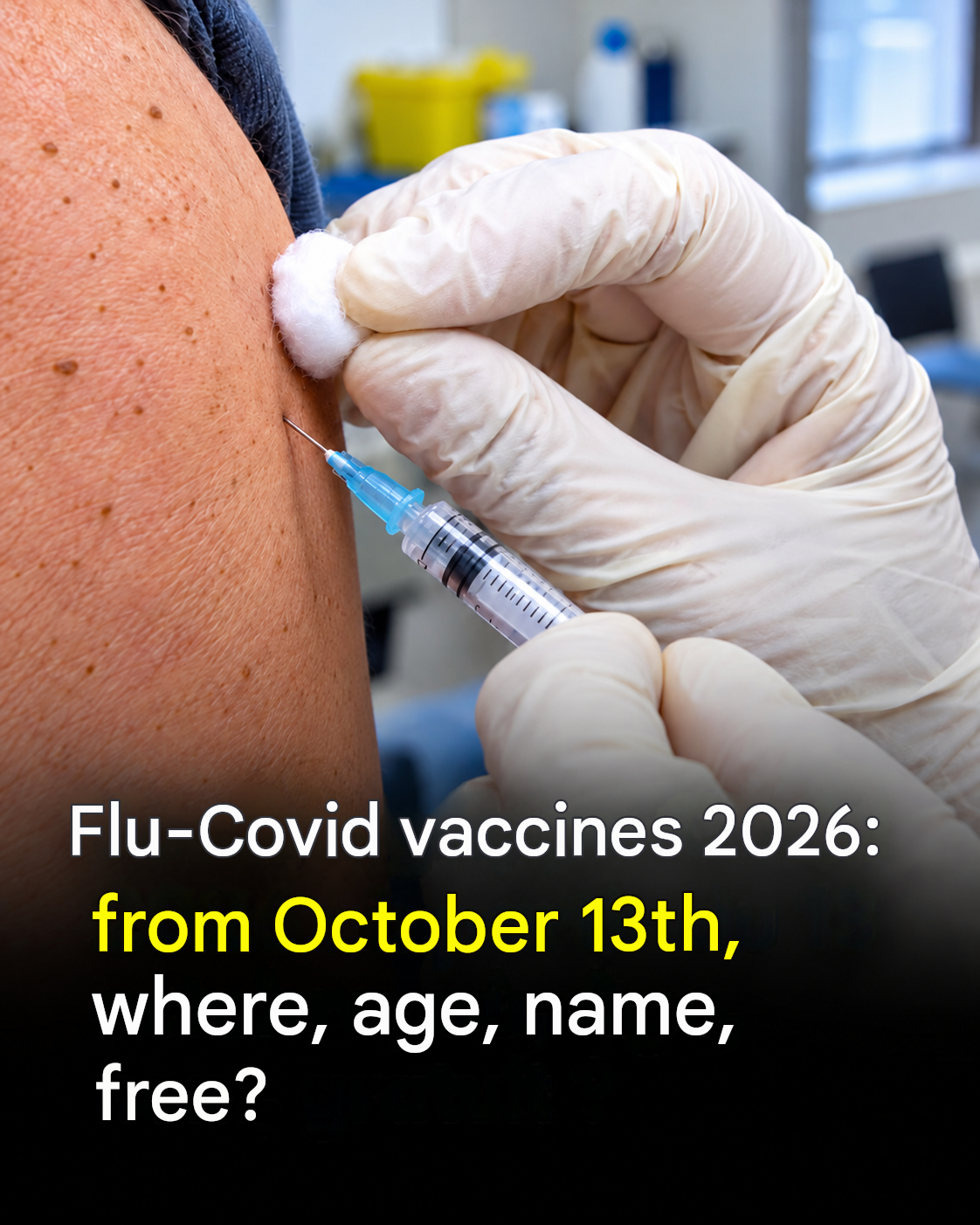
This comprehensive guide breaks down everything you need to know about the 2026 flu and COVID-19 vaccination campaign starting from October 13th, including eligible age groups, approved vaccine names, where to get them, and how to access them free of charge.
Understanding the 2026 Immunization Campaign
Annual updates to flu and COVID-19 vaccines are designed to match currently circulating viral strains, ensuring optimal immune protection. Public health agencies coordinate nationwide rollouts to make these vaccines widely accessible before peak winter transmission windows open.
Why Co-Administration Matters
For the 2026 season, health officials continue to support the simultaneous administration of both the updated flu shot and the updated COVID-19 booster. Receiving both vaccines during a single visit saves time, minimizes scheduling friction, and provides simultaneous dual-protection. While minor side effects like localized arm soreness or a low-grade fever can temporarily occur, they are generally mild and short-lived.
Eligibility and Age Requirements for 2026
Determining who should get vaccinated and when is crucial for maximizing public health safety.
1. Age Recommendations
- Influenza Vaccines: Recommended annually for nearly all individuals aged 6 months and older, with specialized high-dose formulations available for older adults (typically ages 65 and older) to provoke a stronger immune response.
- COVID-19 Vaccines: Updated boosters are generally recommended for everyone ages 6 months and older, with specific spacing intervals required depending on when you received your last dose. High-risk groups, including pregnant women, immunocompromised individuals, and seniors, receive priority guidance.
2. High-Risk Populations
Particular emphasis is placed on safeguarding vulnerable groups. Individuals managing chronic conditions such as diabetes, cardiovascular disease, or respiratory ailments should prioritize getting immunized early in the season to prevent acute flare-ups that could require emergency legal services, hospital stays, or costly attorney consultations for medical leave disputes.
Approved Vaccine Names and Formulations
Knowing the specific manufacturers and formulations helps patients discuss options with their healthcare providers or pharmacists.
Key Vaccine Brands for 2026
- Influenza Vaccines: Standard quadrivalent vaccines from trusted manufacturers like Sanofi, Seqirus, and GSK, covering two influenza A strains and two influenza B strains. High-dose and adjuvanted options are available for seniors.
- COVID-19 Vaccines: Updated monovalent mRNA formulas targeting current circulating variants, produced by Pfizer-BioNTech and Moderna, as well as protein-subunit options like Novavax for individuals who prefer non-mRNA technology.
Where to Get Your Vaccines
Accessibility is a cornerstone of the annual vaccination rollout. Multiple convenient channels are available for receiving your shots starting from October 13th:
- Local Retail Pharmacies: Major national pharmacy chains (such as CVS, Walgreens, Rite Aid, and supermarket pharmacies) offer walk-in appointments or easy online scheduling.
- Primary Care Physicians: Your regular doctor’s office is an ideal location, especially if you have complex underlying medical conditions or want personalized health counseling.
- Public Health Clinics: County health departments and community clinics frequently host free or low-cost immunization drives.
- Workplace Wellness Programs: Many employers partner with healthcare networks to provide on-site vaccination clinics for staff, supporting overall workplace health and productivity.
Are the Vaccines Free? Navigating Costs and Insurance
Cost should never be a barrier to preventative healthcare. Understanding your coverage options ensures you can access these shots without unexpected financial strain.
Insurance Coverage
Under federal preventative care guidelines, most private health insurance plans, Medicare, and Medicaid cover annual flu shots and recommended COVID-19 boosters with a $0 copay when administered by an in-network provider or pharmacy.
Options for Uninsured Individuals
For individuals without health insurance or those whose plans do not fully cover immunizations, federal and local public health programs often provide access to free or low-cost vaccines through community health centers and safety-net clinics. Planning ahead and checking local public health announcements can save you money and protect your personal finance budget.
High-CPC Strategic Insights: Health as a Long-Term Investment
Preventative healthcare is deeply connected to overall financial stability and long-term planning. Falling ill with severe influenza or COVID-19 can lead to missed workdays, lost income, and expensive out-of-pocket medical bills that disrupt your household budget, mortgage payments, or loan obligations.
+-----------------------------------------------------------------------+
|                    THE VALUE OF PREVENTATIVE HEALTH                   |
+-----------------------------------------------------------------------+
|  1. Annual Immunization (Flu & COVID-19)                              |
|  2. Prevention of Severe Illness & Hospitalization                    |
|  3. Protection of Personal Finance & Retirement Savings               |
|  4. Sustained Long-Term Quality of Life                               |
+-----------------------------------------------------------------------+
By taking proactive steps to get vaccinated, you safeguard your physical vitality and protect your financial future. Sound preventative health choices mirror a disciplined investment or retirement strategy—small, timely actions today prevent catastrophic expenses tomorrow.
Practical Tips for Your Vaccination Appointment
To ensure a smooth and stress-free vaccination experience, keep these practical tips in mind:
- Bring Your Insurance Card: Always bring your primary health insurance or Medicare card to verify coverage and ensure seamless billing.
- Wear Loose Clothing: Opt for a short-sleeved shirt or loose-fitting clothing that allows easy access to your upper arm.
- Stay Informed: Check ahead with your pharmacy or clinic regarding whether appointments are required or if walk-ins are welcomed.
- Rest and Hydrate: Drink plenty of water before and after your appointment, and give yourself time to rest if you experience mild post-injection fatigue.
Fascinating Facts About Vaccines and Viral Defense
- The 1918 Milestone: The first experimental flu vaccines were developed in the 1930s and 1940s, heavily driven by research for the United States military following lessons learned from the 1918 influenza pandemic.
- Rapid mRNA Adaptation: Modern mRNA technology allows scientists to update vaccine formulas rapidly to match emerging viral variants within weeks rather than months.
- Herd Immunity Effect: Vaccinating individuals not only protects the person receiving the shot but also creates a protective ring around infants, the elderly, and immunocompromised individuals who cannot receive certain vaccines.
- Global Collaboration: Annual flu strain recommendations are coordinated worldwide twice a year by the World Health Organization (WHO) based on global surveillance data from over 100 national influenza centers.
Comparing Immunization Options
| Vaccine Type | Recommended Frequency | Primary Target | Administration Method |
| Annual Flu Shot | Once a year (Fall rollout) | Influenza A & B strains | Intramuscular injection (Arm) |
| Updated COVID-19 Booster | Seasonally / As recommended | Circulating SARS-CoV-2 variants | Intramuscular injection (Arm) |
| High-Dose Flu (Seniors) | Once a year (Ages 65+) | Enhanced immune response for older adults | Intramuscular injection (Arm) |
Conclusion
The 2026 flu and COVID-19 vaccination campaign, kicking off from October 13th, is a critical public health initiative designed to protect communities across the nation. By understanding age eligibility, approved vaccine names, and where to access free or covered doses, you can take control of your personal health journey.
Protecting yourself against preventable respiratory illnesses safeguards your physical well-being, prevents costly medical disruptions, and secures your long-term financial stability. Make prevention a priority this season—get your updated shots, protect your loved ones, and enjoy a healthy autumn and winter.
FAQ Section
When is the best time to get the 2026 flu and COVID-19 vaccines?
Health experts generally recommend getting vaccinated in early fall (September or October) before peak respiratory virus season begins, ensuring your immune system has adequate time to build robust protection.
Can I receive the flu shot and COVID-19 booster at the same time?
Yes, clinical studies and public health guidelines confirm that it is safe and effective to receive both the flu vaccine and the updated COVID-19 booster during the same visit.
Are the vaccines completely free for everyone?
Most individuals with private health insurance, Medicare, or Medicaid face $0 out-of-pocket costs. Uninsured individuals can access free or low-cost options through local public health departments and community health clinics.
What should I do if I experience side effects after my shot?
Mild side effects such as arm soreness, fatigue, or low-grade fever are normal and typically resolve within 24 to 48 hours. Staying hydrated and resting can help ease temporary discomfort.
