
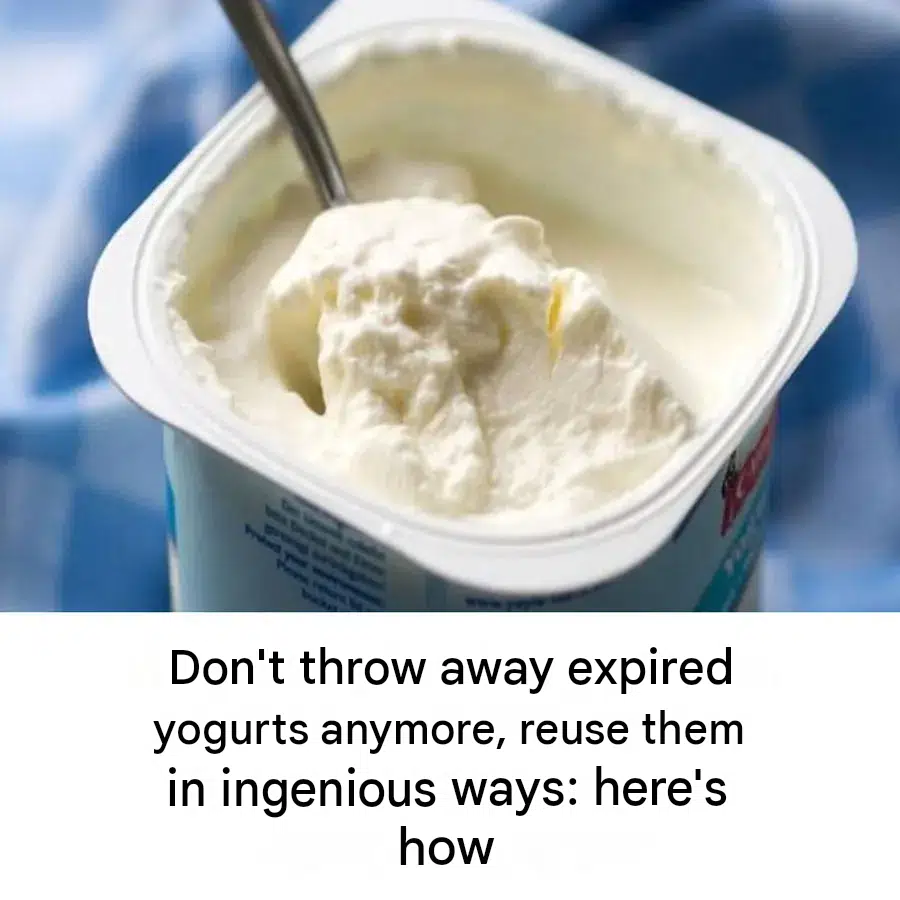
Grocery shopping and home management require a delicate balance between keeping our pantries stocked with fresh goods and minimizing household food waste. Among the refrigerated staples found in almost every home, yogurt is a universal favorite. Whether enjoyed as a healthy breakfast, a quick snack, or an ingredient in baking, yogurt is packed with calcium and probiotics. However, it is very common to find a few tubs lingering past their printed expiration or best-by dates tucked away in the back of the fridge.
When people notice that yogurt has expired, the immediate reaction is usually to toss it straight into the trash or compost bin. But before you throw those tubs away, you should know that expired or leftover yogurt can be repurposed in surprisingly ingenious, practical, and eco-friendly ways around the house and garden!
In this comprehensive guide, we will explore creative ways to reuse expired yogurt, examine how food dating intersects with household sustainability, and provide practical tips for reducing food waste.
Understanding Food Expiration Dates: Can You Still Use It?
Before reusing yogurt for non-culinary or alternative purposes, it helps to understand what expiration dates actually mean:
Best-By Dates vs. Expiration Dates
For most dairy products like yogurt, the date printed on the lid is a “best-by” or “use-by” date indicating peak quality and freshness rather than a strict food safety deadline.
- If the yogurt has been properly sealed and refrigerated, it is often safe to consume a few days past the date, provided there is no mold, strange discoloration, or foul odor.
- If the yogurt is significantly past its date or shows signs of spoilage, you should avoid eating it—but it can still find new life in your garden or beauty routine!
Ingenious Ways to Reuse Expired Yogurt
Instead of wasting food, put those leftover or expired yogurt tubs to work with these clever household applications:
1. Natural Garden Fertilizer and Soil Booster
Yogurt is rich in calcium, proteins, and beneficial lactic acid bacteria that can enrich garden soil.
- Composting Accelerator: Pouring expired yogurt into your compost pile introduces beneficial bacteria that speed up the decomposition of organic matter and yard waste.
- Acid-Loving Plants: Mixing a small amount of yogurt into water can benefit acid-loving outdoor plants (like tomatoes, blueberries, or azaleas) by slightly lowering soil pH and providing vital nutrients.
2. DIY Skin and Hair Beauty Masks
The lactic acid present in yogurt acts as a natural exfoliant and moisturizer for skin and hair care.
- Soothing Face Mask: Mix plain expired yogurt with a bit of honey or oatmeal to create a hydrating, soothing facial mask that gently exfoliates dead skin cells.
- Hair Conditioning Treatment: Applying yogurt to your hair as a pre-shampoo conditioning mask helps nourish dry strands and restore natural shine.
3. Cleaning and Polishing Brass and Copper
The natural lactic acid in yogurt helps break down tarnish and oxidation on metal surfaces. Rubbing a small amount of yogurt onto brass or copper ornaments, letting it dry, and wiping it clean with a soft cloth restores a brilliant shine.
+------------------------------------+---------------------------------------+
| Expired Yogurt Application         | Primary Benefit                       |
+------------------------------------+---------------------------------------+
| Compost Accelerator                | Speeds up organic waste decomposition |
| Soil Booster for Acid-Loving Plants| Enriches soil with calcium & nutrients|
| DIY Face & Hair Masks              | Hydrates skin and conditions hair     |
| Brass & Copper Metal Cleaner       | Removes tarnish using natural acids   |
+------------------------------------+---------------------------------------+
Household Sustainability and Waste Reduction
Minimizing waste in the kitchen is an essential aspect of modern sustainable living and smart household budgeting.
1. Reducing Food Waste in the Kitchen
Discarding perfectly usable or repurposable food contributes to massive global food waste statistics. Finding alternative uses for items nearing the end of their shelf life keeps trash out of landfills and maximizes household utility.
2. Saving Money Through DIY Alternatives
Utilizing natural household ingredients like yogurt for beauty treatments or metal polishing reduces the need to purchase specialized chemical cleaners and commercial cosmetic products.
Practical Tips for Managing Dairy Storage
Keep your refrigerator organized and prevent unnecessary food waste with these simple habits:
Practice “First In, First Out” (FIFO)
When unloading groceries, place newly purchased yogurts behind older tubs in your refrigerator so you always consume the older items first before they expire.
Check Seals and Storage Temperatures
Ensure your refrigerator is set to a consistent cold temperature (below 40°F / 4°C) to maximize the shelf life of dairy products.
Fascinating Facts About Yogurt and Lactic Acid
- Ancient Origins: Yogurt production dates back over 4,500 years, originating when ancient herdsmen stored milk in animal skins, where natural bacteria fermented it into a preserved, edible form.
- The Power of Probiotics: The live bacterial cultures (such as Lactobacillus bulgaricus and Streptococcus thermophilus) used to make yogurt help promote healthy human digestion.
- Lactic Acid Science: Lactic acid is a natural organic acid that not gives yogurt its characteristic tart flavor but also acts as a gentle chemical exfoliant in skincare.
Frequently Asked Questions (FAQ)
Is it safe to eat yogurt after the expiration date?
If the yogurt has been kept continuously refrigerated, remains sealed, and shows no signs of mold, strange odor, or discoloration, it is often safe to eat a few days past the best-by date.
Can expired yogurt make my plants sick?
Using too much dairy directly on houseplants can attract pests or cause bad odors as it decomposes. For outdoor garden compost or soil mixing, use it in moderation.
How does lactic acid help clean metal?
The mild natural acidity in fermented dairy products helps dissolve oxidation layers and tarnish on metals like brass and copper without scratching the surface.
Can dogs eat expired plain yogurt?
Plain, unflavored expired yogurt (without artificial sweeteners like xylitol) can actually be a healthy probiotic treat for dogs in small amounts, but check with your vet first.
What should I do if yogurt develops mold?
If visible mold appears on the surface or under the foil lid, discard the entire container immediately rather than trying to scoop it out.
Conclusion
Finding expired yogurt in your refrigerator no longer means a trip straight to the trash can. By embracing clever repurposing methods—from boosting garden compost and nourishing skin to polishing household metals—you can turn potential food waste into something useful and sustainable.
Combine smart kitchen organization with creative reuse habits to reduce waste and get the most out of every grocery item!
