
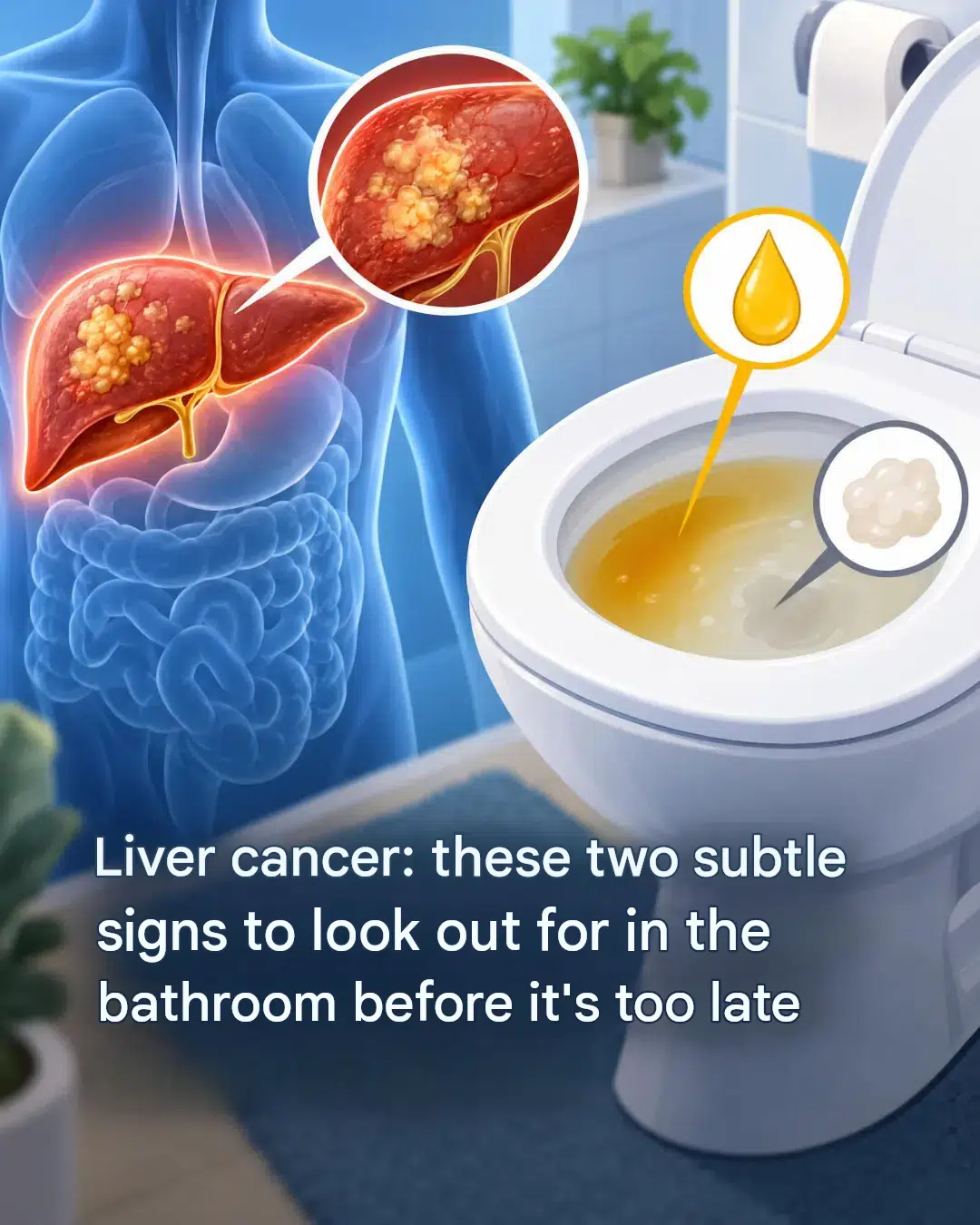
Maintaining personal health and listening to the signals our bodies send us are crucial aspects of long-term well-being. While routine medical checkups and preventative screenings are essential, early detection often relies on noticing subtle, unusual physical changes in our daily routines. When alarming health headlines circulate online regarding serious conditions like liver cancer, they instantly capture public attention and raise awareness about early warning symptoms.
The liver is one of the body’s largest and most vital internal organs, responsible for filtering toxins, aiding digestion, regulating metabolism, and processing nutrients. Because liver disease and hepatic conditions can develop silently in their early stages, recognizing subtle indicators—such as changes noticed in the bathroom—can prompt timely medical consultations.
In this comprehensive guide, we will explore the early warning signs of liver health issues, examine the medical functions of the liver, discuss the importance of preventative healthcare, and provide practical tips for supporting long-term metabolic and hepatic wellness.
Understanding Liver Health and Function
To appreciate why certain symptoms manifest physically, it helps to understand the diverse roles the liver plays in maintaining internal balance:
1. Filtration and Detoxification
The liver filters blood coming from the digestive tract before passing it to the rest of the body, neutralizing toxins, metabolizing medications, and processing waste products.
2. Bile Production and Digestion
The liver produces bile, a digestive fluid essential for breaking down fats and absorbing fat-soluble vitamins. When liver function is compromised, bilirubin processing and waste excretion can be altered, leading to noticeable physical changes.
Subtle Bathroom Signs and Early Indicators
While definitive diagnoses require professional medical evaluations, certain physical changes observed during daily bathroom habits are frequently associated with hepatic health:
1. Changes in Urine Color
A notable, persistent darkening of urine—often resembling the color of dark tea or cola—can occur when excess bilirubin builds up in the bloodstream and is filtered out by the kidneys. While dehydration or certain foods can influence urine color, persistent dark urine warrants medical attention.
2. Changes in Stool Appearance
Alterations in bowel movements, such as pale, clay-colored, or whitish stools, can indicate a lack of bile entering the digestive tract due to bile duct blockages or liver dysfunction.
+------------------------------------+---------------------------------------+
| Physical Bathroom Indicator        | Potential Underlying Health Factor    |
+------------------------------------+---------------------------------------+
| Persistent Dark Urine              | Excess bilirubin buildup in blood     |
| Pale or Clay-Colored Stools        | Reduced bile flow into digestive tract|
| Fatigue and Abdominal Discomfort   | General signs of hepatic strain       |
+------------------------------------+---------------------------------------+
Preventative Healthcare and Medical Screenings
Proactive health management is the most effective tool for preventing advanced liver disease and maintaining overall vitality.
1. Routine Blood Work and Liver Panels
Liver function tests (LFTs) measure specific enzymes and proteins in your blood, helping physicians detect inflammation, injury, or impaired liver function long before severe symptoms appear.
2. Lifestyle Factors and Liver Protection
Limiting alcohol consumption, maintaining a healthy weight, avoiding exposure to viral hepatitis through vaccinations and safe practices, and eating a balanced diet protect liver cells from damage.
Practical Tips for Supporting Liver Wellness
Keep your liver healthy and functioning optimally with these practical daily habits:
Stay Well Hydrated
Drinking plenty of water throughout the day helps your kidneys and liver flush out waste products efficiently.
Eat a Nutrient-Rich Diet
Focus on leafy greens, antioxidant-rich fruits, whole grains, and healthy fats while minimizing processed foods and excess refined sugars.
Consult Your Doctor Regularly
Discuss any persistent, unexplained physical changes—such as chronic fatigue, digestive shifts, or unusual discoloration—with your primary care physician promptly.
Fascinating Facts About the Human Liver
- Incredible Regeneration: The liver is the only internal human organ with the remarkable ability to regenerate itself; even after surgical removal of a large portion, it can regrow to its full size.
- Metabolic Powerhouse: The liver performs over 500 distinct vital functions simultaneously, making it indispensable to human survival.
- Silent Organ: Because the liver lacks pain receptors within its actual tissue, significant damage or disease can progress silently without causing localized pain until advanced stages.
Frequently Asked Questions (FAQ)
What are the primary functions of the liver?
The liver filters toxins from the blood, produces bile for digestion, metabolizes drugs and nutrients, and regulates essential blood clotting proteins.
Can dark urine always indicate a liver problem?
No. Dark urine is frequently caused by simple dehydration, certain vitamins, or specific foods, but persistent dark urine should be evaluated by a doctor.
Why do pale stools sometimes relate to liver issues?
Pale or clay-colored stools occur when bile—which gives stool its normal brown color—is blocked from entering the intestines due to liver or gallbladder conditions.
How can I protect my liver health daily?
Maintaining a healthy weight, limiting alcohol intake, eating a balanced diet, exercising regularly, and getting vaccinated against hepatitis protect your liver.
Are there early warning signs for liver cancer?
Early-stage liver conditions often present no symptoms at all, which is why routine physical examinations and blood screenings are vital for early detection.
Conclusion
Recognizing subtle physical signs and paying attention to changes in your daily routine can encourage timely medical evaluations and safeguard your long-term health. While viral internet headlines often dramatize symptoms, understanding the real medical science behind liver function empowers you to take charge of your wellness.
Combine proactive health screenings, balanced lifestyle habits, and regular physician consultations to ensure your body stays healthy and strong!
