
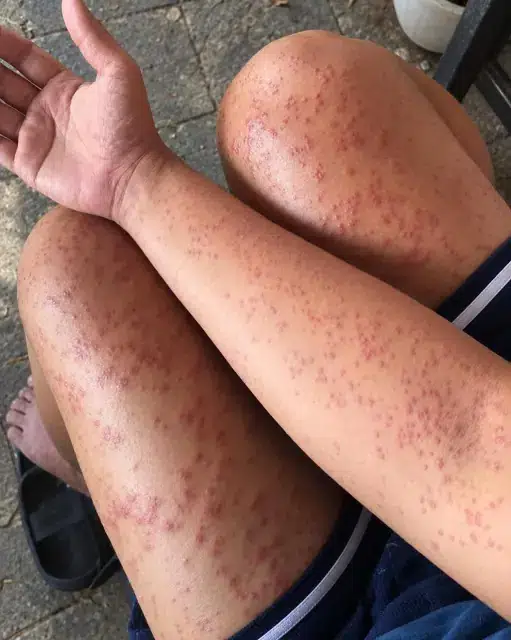
Skin rashes are among the most common medical complaints worldwide, affecting individuals of all ages. Whether triggered by an allergic reaction, contact with an environmental irritant, an infection, or an underlying immune response, a sudden rash can be both uncomfortable and alarming. Because the skin serves as the body’s largest protective barrier, it frequently reflects internal health changes or external exposures.
When unfamiliar skin rashes appear, knowing how to identify potential causes, monitor symptoms, and determine when professional medical evaluation is necessary is vital for effective care and relief.
In this comprehensive guide, we will explore the common types of skin rashes, examine potential underlying triggers, discuss preventative skincare practices, and provide practical tips for managing skin irritation safely.
Common Causes and Types of Skin Rashes
Skin irritations can manifest in various forms, ranging from localized redness to widespread bumpy eruptions. Identifying the specific characteristics helps healthcare providers determine the appropriate approach.
1. Contact Dermatitis
Contact dermatitis occurs when the skin reacts to a specific substance it touches, leading to red, itchy, or blistered rashes.
- Irritant Contact Dermatitis: Caused by direct exposure to harsh chemicals, soaps, detergents, or solvents that damage the skin’s protective barrier.
- Allergic Contact Dermatitis: Triggered by an immune system reaction to allergens such as nickel, certain cosmetics, fragrances, or plants like poison ivy.
2. Viral and Bacterial Infections
Many viral illnesses, particularly in children and young adults, present with characteristic skin rashes as the body responds to the infection. Bacterial skin infections or fungal conditions can also cause localized inflammation and scaling.
+------------------------------------+---------------------------------------+
| Common Rash Category               | Typical Characteristics & Triggers    |
+------------------------------------+---------------------------------------+
| Contact Dermatitis                 | Red, itchy bumps from irritants/allergens|
| Viral Exanthems                    | Widespread rashes accompanying fevers |
| Urticaria (Hives)                  | Raised, itchy welts from allergies    |
| Fungal Infections                  | Ring-shaped or scaling patches        |
+------------------------------------+---------------------------------------+
Monitoring Symptoms and Recognizing Red Flags
While many mild rashes resolve on their own with basic soothing care, certain symptoms require immediate medical attention from a physician or dermatologist.
1. When to See a Doctor Promptly
Consult a healthcare professional if a rash is accompanied by severe pain, rapid spreading, blistering, pus, or signs of infection.
2. Urgent Emergency Warning Signs
Seek immediate emergency medical care if a rash is accompanied by difficulty breathing, swelling of the face or throat, dizziness, or a sudden, rapidly spreading purplish rash resembling bruising.
Practical Tips for Soothing Skin Irritation
Manage mild skin discomfort safely and effectively with these practical daily care habits:
Keep the Area Clean and Dry
Wash the affected skin gently with mild, fragrance-free cleansers and lukewarm water. Pat dry carefully with a soft towel rather than rubbing.
Avoid Scratching
Scratching can break the skin barrier, worsening inflammation and introducing bacteria that lead to secondary infections. Use cool compresses to relieve itchiness.
Moisturize with Hypoallergenic Lotions
Apply gentle, fragrance-free moisturizers or soothing barrier creams to help restore the skin’s natural protective layer.
Fascinating Facts About the Human Skin
- The Body’s Largest Organ: The skin accounts for roughly 16% of total body weight and surface area, acting as a sophisticated shield against pathogens, UV radiation, and dehydration.
- Constant Regeneration: Human skin completely sheds and regenerates its outer epidermal layer approximately every 27 days.
- Sensory Network: A square inch of skin contains thousands of microscopic sensory receptors responsible for detecting touch, pressure, temperature, and pain.
Frequently Asked Questions (FAQ)
What is the most common cause of a sudden skin rash?
Common causes include contact with allergens or irritants (such as new soaps, plants, or fabrics), viral infections, and heat-related inflammation.
Should I apply medicated creams right away?
It is best to consult a doctor or pharmacist before applying strong steroid or medicated creams to ensure the treatment matches the specific cause of the rash.
Can stress cause skin rashes?
Yes, high stress levels can trigger or worsen inflammatory skin conditions such as hives, eczema, and general skin irritation due to immune system fluctuations.
How can I tell if my rash is an allergic reaction?
Allergic rashes often present as intensely itchy red bumps, hives, or swelling in areas that came into direct contact with an allergen.
When should a skin rash be treated as an emergency?
If a rash is accompanied by breathing difficulties, facial swelling, high fever, or rapid blistering, seek emergency medical treatment immediately.
Conclusion
Encountering a sudden skin rash can be unsettling, but understanding potential triggers and knowing how to care for your skin properly makes all the difference. By practicing gentle skincare, monitoring your symptoms closely, and seeking professional medical advice when needed, you can protect your skin health and find relief.
