
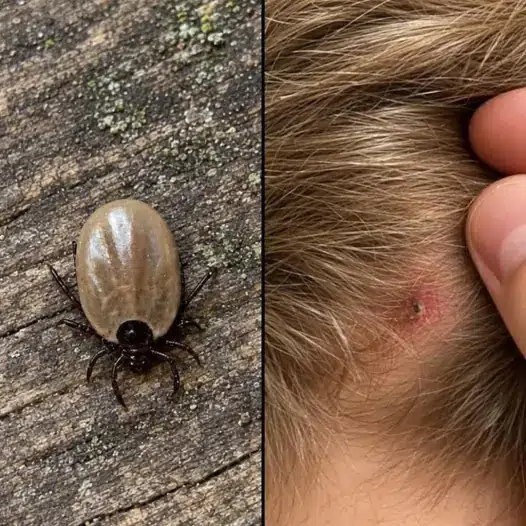
Spending time outdoors—whether hiking through wooded trails, gardening in the backyard, or camping in nature—offers incredible physical and mental health benefits. However, outdoor activities also bring us into contact with tiny parasites that thrive in grassy, wooded environments. Among these, ticks are particularly notorious for latching onto human skin to feed on blood.
When unfamiliar insect or parasite bites occur, knowing how to identify them correctly, remove them safely, and monitor for potential health complications is essential for proper care.
In this comprehensive guide, we will explore the common habitats of ticks, examine how to safely remove embedded parasites, discuss important symptoms to monitor, and provide practical tips for preventing tick bites during outdoor excursions.
Understanding Ticks and Their Habitats
Ticks are small arachnids related to spiders and mites. They do not fly or jump; instead, they wait on tall grass, brush, or fallen leaves in a behavior known as “questing,” attaching themselves to passing humans or animals.
1. The Feeding Process
Once a tick finds a host, it crawls to find a suitable feeding spot, inserts its mouthparts into the skin, and feeds slowly over several days, becoming engorged with blood.
2. Why Prompt Removal Matters
Safe and timely removal is critical because minimizing the duration a tick remains attached reduces the risk of disease transmission.
Safe Removal and Symptom Monitoring
If you discover an attached tick on your skin or scalp, proper technique is crucial to ensure the entire parasite is removed without leaving mouthparts behind.
1. Step-by-Step Safe Removal
- Use clean, fine-tipped tweezers to grasp the tick as close to the skin’s surface as possible.
- Pull upward with steady, even pressure without twisting or jerking, as this can cause the mouthparts to break off and remain in the skin.
- After removal, thoroughly clean the bite area and your hands with rubbing alcohol, iodine, or soap and water.
2. Monitoring for Warning Signs
Watch the bite area and your overall health for the next few weeks. Consult a healthcare provider immediately if you develop a expanding ring-shaped rash, fever, fatigue, or flu-like symptoms.
+------------------------------------+---------------------------------------+
| Tick Safety Step                   | Recommended Action                    |
+------------------------------------+---------------------------------------+
| Fine-Tipped Tweezers               | Grasp tick close to skin surface      |
| Upward Pulling Motion              | Pull straight up without twisting     |
| Area Disinfection                  | Clean bite thoroughly with soap/water |
| Symptom Monitoring                 | Watch for rashes or fevers for weeks  |
+------------------------------------+---------------------------------------+
Practical Tips for Preventing Tick Bites
Protect yourself and your family during outdoor activities with these effective preventative habits:
Wear Protective Clothing
When walking in wooded or grassy areas, wear long-sleeved shirts, long pants tucked into socks, and closed-toe shoes to minimize exposed skin.
Use Insect Repellents
Apply EPA-registered insect repellents containing DEET, picaridin, or oil of lemon eucalyptus to exposed skin and clothing according to product instructions.
Perform Post-Outdoor Checks
Always inspect your body, clothing, and pets thoroughly for ticks after returning from outdoor excursions, paying special attention to warm creases like behind the knees, underarms, and the scalp.
Fascinating Facts About Ticks
- Ancient Parasites: Ticks have existed for millions of years, with fossil records showing similar arachnid parasites dating back to the Cretaceous period.
- Incredible Durability: Certain tick species can survive for months without feeding, enduring harsh environmental conditions until a suitable host passes by.
- Life Stages: Ticks progress through four distinct life stages—egg, larva, nymph, and adult—requiring a blood meal at each active stage to develop further.
Frequently Asked Questions (FAQ)
What should I do if the tick’s mouthparts break off in my skin?
If the mouthparts remain lodged in the skin, leave them alone and let the skin heal naturally while keeping the area clean, or consult a doctor if irritation persists.
Can ticks transmit illnesses quickly?
Transmission risks vary depending on the tick species and how long the parasite has been attached, which is why prompt removal is always recommended.
Where on the body are ticks most commonly found?
Ticks prefer warm, moist, hidden areas of the body, including the scalp, behind the ears, underarms, waistline, and behind the knees.
How can I check pets for ticks?
Run your fingers through your pet’s fur down to the skin, checking thoroughly around their ears, neck, between toes, and under the collar after outdoor walks.
Should I burn or crush a removed tick?
Never crush a tick with your fingers. Dispose of it safely by putting it in alcohol, placing it in a sealed bag/container, or flushing it down the toilet.
Conclusion
Encountering ticks while enjoying the great outdoors is common, but knowing how to handle them safely ensures your adventures remain worry-free. By practicing effective prevention, using proper removal techniques, and monitoring your health afterward, you can enjoy nature safely and confidently.
