
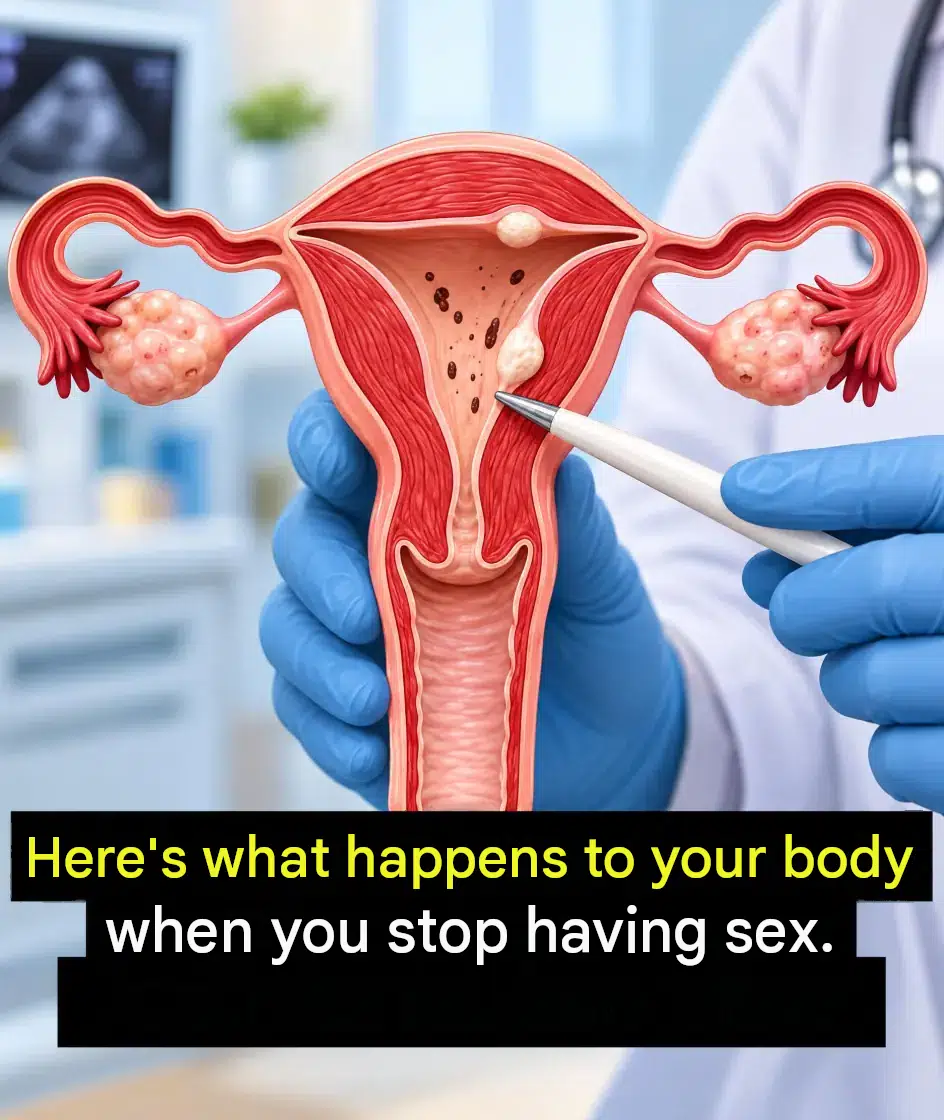
Human health and wellness are influenced by a wide variety of lifestyle choices, biological rhythms, and personal habits. Among these, intimate relationships and sexual activity often play an interesting role in physical and psychological well-being. Whether by choice, circumstance, or life transitions, periods of abstinence are common for many individuals at various stages of life.
When a person stops having sex, the human body undergoes a series of subtle physiological, hormonal, and psychological adjustments. While popular culture often exaggerates the effects of sexual inactivity, medical science reveals a more balanced picture. Understanding these changes helps individuals maintain perspective on their personal health, mental well-being, and overall quality of life.
In this comprehensive guide, we will explore the physiological and psychological impacts of stopping sexual activity, examine the medical facts, and provide practical insights into maintaining optimal health, managing stress, and navigating personal transitions.
The Biological and Psychological Landscape of Intimacy
Intimacy and sexual activity trigger various neurological and hormonal responses in the human body. Hormones such as oxytocin, endorphins, and dopamine are released during pleasurable physical contact, contributing to feelings of relaxation, bonding, and temporary stress relief.
When sexual activity decreases or stops entirely, the body adapts to these shifting hormonal patterns. Contrary to some myths, a lack of sex does not cause permanent physiological damage or irreversible physical decline. Instead, the body simply adjusts its baseline, redirecting energy and focus toward other physiological and psychological priorities.
10 Things That Happen to Your Body and Mind During Abstinence
1. Shifts in Stress Levels and Mood Regulation
Sexual activity often serves as a natural outlet for stress due to the release of endorphins and oxytocin. When individuals stop having sex, they may notice a temporary increase in perceived stress or tension. However, the human brain is remarkably adaptable; many people successfully channel their energy into alternative stress-reduction techniques, such as exercise, mindfulness, yoga, or creative hobbies.
2. Changes in Libido and Sexual Desire
A common psychological phenomenon during periods of abstinence is a shift in sexual desire. For some, a lack of regular sexual activity leads to a decrease in libido as the body adjusts to lower stimulation frequencies. For others, desire may remain steady or experience fluctuations depending on emotional state, stress levels, and overall health.
3. Impact on Pelvic Floor Health and Muscle Tone
Regular sexual intercourse helps maintain blood flow to the pelvic region and contributes to pelvic floor muscle tone. During extended periods of inactivity, particularly in postmenopausal women, reduced blood flow can occasionally lead to thinning or reduced elasticity of vaginal tissues. Engaging in pelvic floor exercises, such as Kegels, can help maintain strength and circulation independently.
4. Variations in Immune System Function
Studies in behavioral medicine suggest that frequent sexual activity can boost immune function by increasing levels of immunoglobulin A (IgA), an antibody that protects against pathogens. When sexual activity stops, these specific immune boosts may decrease slightly, making balanced nutrition, adequate sleep, and regular medical check-ups even more vital for maintaining robust immune health.
5. Sleep Quality Adjustments
Orgasms release hormones like prolactin and oxytocin, which promote relaxation and deep, restorative sleep. Without this natural sleep aid, some individuals might experience temporary changes in sleep patterns or take longer to wind down at night. Establishing a consistent bedtime routine can easily help balance these shifts.
6. Alterations in Skin Health and Hormone Balance
Hormonal stability influences skin clarity, hydration, and overall appearance. Because sexual activity interacts with hormone levels like testosterone and estrogen, stopping sexual activity can cause minor shifts in skin texture or oil production, though these effects vary heavily from person to person.
7. Heightened Self-Focus and Personal Growth
Without the emotional and time commitments associated with dating or active sexual relationships, many individuals experience a surge in personal focus. This period of abstinence often provides a valuable opportunity to invest in career goals, education, creative projects, self-care, and personal development.
8. Emotional Resilience and Independence
Navigating a period of celibacy can foster profound emotional independence. Relying on oneself for happiness, emotional validation, and personal fulfillment builds robust psychological resilience, equipping individuals to handle future life challenges with confidence.
9. Cardiovascular Health Considerations
While regular physical activity—including sexual intercourse—provides mild cardiovascular benefits, the absence of sex does not harm heart health. Cardiovascular fitness can be easily maintained through regular aerobic exercise, balanced nutrition, and routine medical monitoring.
10. Peace of Mind Regarding Health Risk Reduction
One clear benefit of sexual abstinence is the complete elimination of risk for sexually transmitted infections (STIs) and unplanned pregnancies. This can bring significant psychological relief and peace of mind for individuals prioritizing health caution or focusing on other life priorities.
Comparison: Active Intimacy vs. Periods of Abstinence
To understand how the body responds to different lifestyle phases, consider the following comparison table:
| Physiological Area | Active Intimacy Phase | Period of Abstinence |
| Hormonal Profile | Frequent release of oxytocin, dopamine, and endorphins. | Baseline hormonal adjustment; reliance on alternative activities for endorphins. |
| Stress Management | Physical intimacy acts as an immediate stress reliever. | Managed through exercise, mindfulness, hobbies, and self-care. |
| Pelvic Circulation | Regular blood flow stimulation to pelvic tissues. | Maintained via exercise, movement, and targeted pelvic floor training. |
| Immune Support | Potential mild boosts in antibody production (e.g., IgA). | Supported through proper diet, hydration, rest, and wellness habits. |
| Time and Focus | Shared time with partners and relationship maintenance. | Increased personal focus on career, education, and individual goals. |
Practical Tips for Maintaining Wellness During Abstinence
Whether a period of abstinence is temporary or long-term, maintaining overall health and vitality is entirely within your control. Here are structured ways to support your body and mind:
1. Prioritize Regular Physical Exercise
Cardiovascular workouts, strength training, and stretching stimulate the release of endorphins, improve blood circulation, and support deep, restful sleep—effectively replacing the natural mood-boosters associated with intimacy.
2. Focus on Nutrition and Hydration
Eating a balanced diet rich in antioxidants, lean proteins, vitamins, and drinking adequate water supports hormonal balance, skin health, and immune resilience.
3. Practice Mindfulness and Stress Reduction
Incorporate meditation, deep-breathing exercises, or journaling into your daily routine to manage stress levels and maintain emotional clarity.
4. Consult Healthcare Professionals Regularly
Routine medical check-ups with your physician, gynecologist, or healthcare provider ensure that your overall physical health, hormonal levels, and preventive care remain on track.
       ┌────────────────────────────────────────────────────────┐
       │     Recognizing Life Transitions & Personal Choices    │
       └───────────────────────────┬────────────────────────────┘
                                   │
                                   ▼
       ┌────────────────────────────────────────────────────────┐
       │     Focusing on Holistic Health & Stress Management    │
       └───────────────────────────┬────────────────────────────┘
                                   │
                    ┌──────────────┴──────────────┐
                    ▼                             ▼
       ┌────────────────────────┐    ┌────────────────────────┐
       │ Physical Vitality via  │    │ Mental Resilience via  │
       │ Exercise & Nutrition   │    │ Personal Growth & Care │
       └────────────────────────┘    └────────────────────────┘
Legal, Financial, and Lifestyle Planning
Major life transitions—whether entering a relationship, experiencing a breakup, or choosing a path of personal independence—frequently intersect with legal, financial, and insurance considerations. Ensuring stability in these areas promotes long-term peace of mind:
- Insurance and Medical Planning: Maintaining health insurance coverage ensures access to regular check-ups, preventative screenings, and professional medical advice.
- Financial Independence: Focusing on personal financial planning, budgeting, and investment strategies empowers individuals to build a secure and stable future.
- Legal and Estate Awareness: Understanding individual rights, legal documentation, and personal planning helps protect your interests during any major life phase.
Fascinating Facts About Human Biology and Intimacy
- Neuroplasticity: The human brain readily adapts to changes in routine, meaning emotional and physical habits can be re-calibrated smoothly during life transitions.
- Endorphin Alternatives: Vigorous aerobic exercise triggers runner’s highs that activate similar neurological pathways to those stimulated by romantic and sexual activity.
- The Power of Touch: Non-sexual physical contact, such as hugging friends, cuddling pets, or receiving massages, can still stimulate oxytocin release and promote feelings of well-being.
- Evolutionary Adaptability: Humans possess remarkable evolutionary adaptability, allowing individuals to thrive across diverse social structures and relationship statuses throughout their lifespans.
Frequently Asked Questions (FAQ)
Does stopping sexual activity cause physical harm to the body?
No. Medical science confirms that abstaining from sexual activity does not cause permanent physical damage or structural harm to the human body. The body adapts naturally to periods of inactivity.
Can a lack of sex cause weight gain or hormonal disorders?
While hormonal shifts occur, abstaining from sex does not directly cause clinical hormonal disorders or weight gain. Weight and hormone balance are primarily governed by diet, exercise, sleep, and overall metabolic health.
How can I maintain pelvic health during a dry spell?
Engaging in regular physical exercise, maintaining good overall circulation, and practicing pelvic floor exercises (like Kegels) are excellent ways to support pelvic muscle tone and tissue health.
When should I consult a doctor about changes in libido or wellness?
If you experience persistent emotional distress, sudden drastic changes in mood, or physical discomfort, consulting a qualified medical professional or therapist is always recommended to receive personalized guidance and support.
Conclusion: Embracing Balance and Self-Care
Navigating changes in relationship status and sexual activity is a normal part of the human experience. While stopping sex brings certain physiological and psychological adjustments, it does not diminish overall health or well-being.
By focusing on holistic wellness—including regular exercise, balanced nutrition, mental self-care, and routine medical check-ups—individuals can thrive during any phase of life. Embrace personal growth, prioritize your health, and approach your wellness journey with confidence and resilience!
