
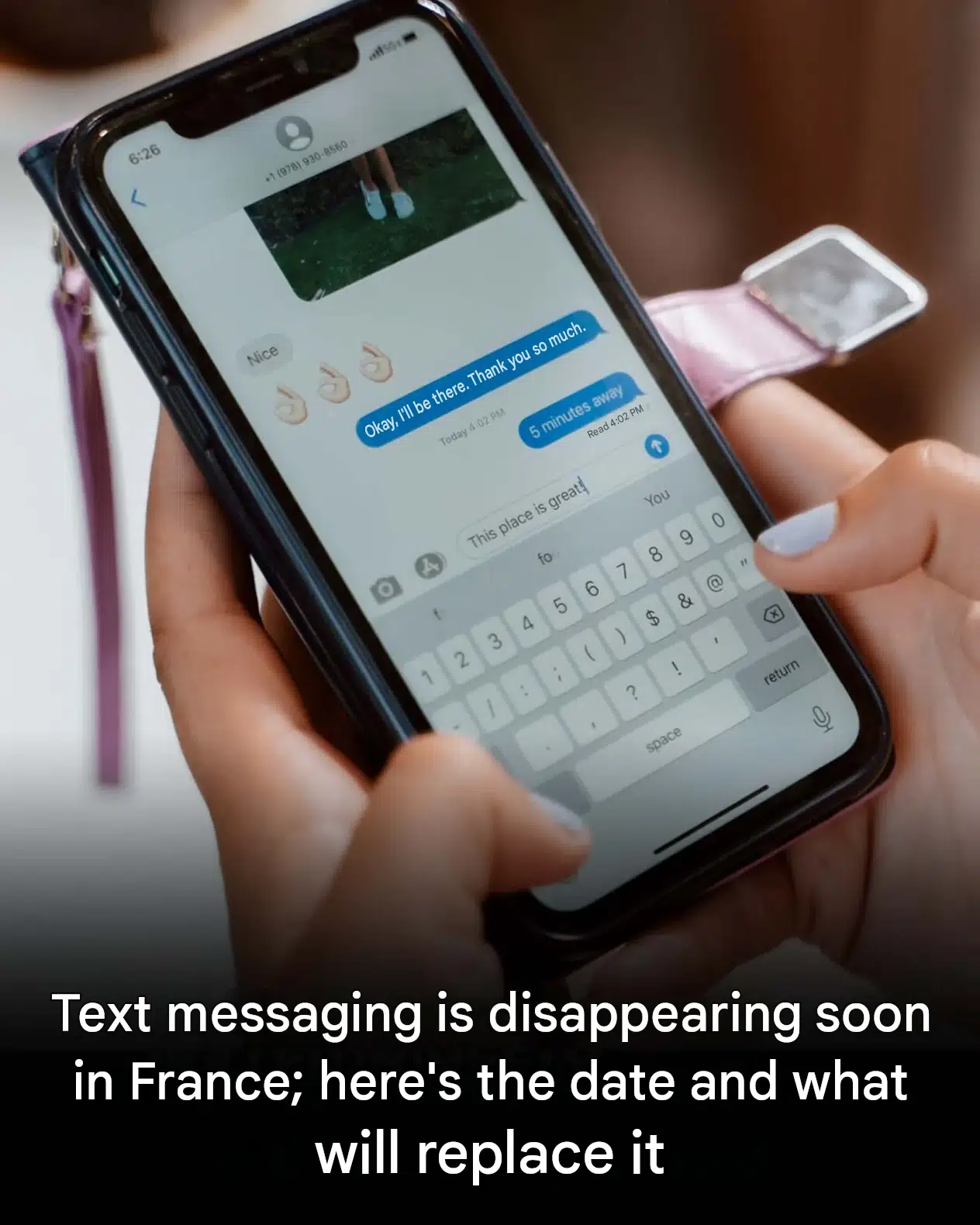
Communication technology has evolved at a breathtaking pace over the last few decades. From the early days of landline telephones and postal mail to the introduction of mobile phones, the way humans connect across distances has undergone a continuous digital revolution. One of the most monumental milestones in modern mobile communication was the invention of the Short Message Service (SMS), commonly known as text messaging.
For nearly thirty years, SMS has served as the universal digital backbone for quick mobile communication. Whether confirming appointments, receiving bank alerts, or staying in touch with friends and family, the humble text message has been a constant feature of mobile phone usage worldwide. However, mobile technology never stands still. Telecommunication networks, smartphone manufacturers, and global standards organizations are transitioning away from legacy SMS infrastructure in favor of advanced, feature-rich modern messaging protocols.
In France and across various global telecommunication markets, major shifts are underway regarding the future of mobile text communication. In this comprehensive guide, we will explore the history of SMS, the technological limitations driving its retirement, the modern replacement protocols taking its place, and practical steps for mobile users navigating this exciting digital evolution.
The Evolution of Mobile Messaging: From SMS to Modern Protocols
To understand why traditional text messaging is shifting toward modern alternatives, it is helpful to examine how SMS was originally designed. Developed in the late 1980s as part of the GSM digital cellular standard, SMS was engineered to transmit small packets of text data over cellular signaling channels.
The Limitations of Traditional SMS
While revolutionary for its time, standard SMS suffers from several severe technical constraints by modern standards:
- Strict Character Limits: Traditional text messages are limited to 160 characters per message. Longer messages are automatically split or converted into multi-part messages, often incurring extra carrier fees in early mobile plans.
- Lack of Multimedia Support: Standard SMS cannot transmit high-resolution images, videos, audio files, or large documents without converting them into Multimedia Messaging Service (MMS) formats, which compress files heavily and degrade quality.
- No End-to-End Encryption: Legacy SMS messages travel across cellular networks unencrypted, making them vulnerable to interception, snooping, and fraudulent spoofing attacks.
- Absence of Modern Features: Features standard in modern chat apps—such as read receipts, typing indicators, high-quality group chats, and Wi-Fi message delivery—are entirely absent from basic SMS architecture.
The Rise of RCS (Rich Communication Services)
As smartphone capabilities advanced, users increasingly gravitated toward internet-based chat applications like WhatsApp, Apple iMessage, Telegram, and Signal. To bridge the gap between traditional cellular carriers and modern internet messaging, the telecommunications industry developed a universal successor known as RCS (Rich Communication Services).
What is RCS?
RCS is designed to completely replace traditional SMS and MMS protocols. Operating over mobile data or Wi-Fi networks, RCS brings the rich, interactive features of modern chat apps directly into your phone’s native default messaging application without requiring third-party downloads.
Key Features of RCS Messaging:
- High-Resolution Media Sharing: Send crisp, uncompressed photos, high-definition videos, and large documents instantly.
- Read Receipts and Typing Indicators: See when your message has been delivered, when it has been read, and when the other person is actively typing a reply.
- Enhanced Group Chats: Enjoy robust group messaging capabilities with the ability to add or remove participants, name group threads, and share media seamlessly.
- Wi-Fi Connectivity: Send and receive messages wherever you have internet access, even in areas with poor cellular tower reception.
- Advanced Business Messaging: Enable secure, interactive communication between businesses and consumers, complete with verified sender badges and interactive shopping menus.
Timeline and Transition Plans in France
Major mobile network operators and technology giants have established strategic timelines to phase out legacy messaging support in favor of advanced universal standards.
- The Carrier Shift: French telecommunications providers, alongside global leaders like Google and Apple, have progressively integrated RCS support into native mobile operating systems.
- The Phase-Out Window: While legacy SMS networks will not vanish overnight due to their deep integration into automated emergency alerts and basic verification systems, consumer-facing carrier support for standard text-only protocols is gradually sunsetting through the late 2020s.
- Universal Adoption: Industry analysts project that by the end of the decade, next-generation messaging protocols will handle the vast majority of consumer mobile communication, rendering traditional SMS obsolete for everyday use.
Comparison: Traditional SMS vs. Next-Generation RCS Messaging
To better understand how mobile communication is transforming, review the following comparison table:
| Feature | Traditional SMS | Next-Generation RCS Messaging |
| Media Quality | Highly compressed low-res MMS images/videos. | Instant high-definition photos and large video files. |
| Read Receipts | None available. | Real-time delivered and read status indicators. |
| Group Chat | Clunky, unreliable multi-party texting. | Seamless group chat management and naming. |
| Network Dependency | Requires active cellular voice network connection. | Operates over mobile data or Wi-Fi networks. |
| Security | Unencrypted transmission over airwaves. | Enhanced transport security and modern encryption standards. |
       ┌────────────────────────────────────────────────────────┐
       │     Legacy SMS Limitations & Outdated Technology       │
       └───────────────────────────┬────────────────────────────┘
                                   │
                                   ▼
       ┌────────────────────────────────────────────────────────┐
       │      Transitioning to RCS & Next-Gen Protocols         │
       └───────────────────────────┬────────────────────────────┘
                                   │
                    ┌──────────────┴──────────────┐
                    ▼                             ▼
       ┌────────────────────────┐    ┌────────────────────────┐
       │ Enjoying HD Media,     │    │ Protecting Digital     │
       │ Read Receipts & Wi-Fi  │    │ Communication Security │
       └────────────────────────┘    └────────────────────────┘
Practical Tips for Managing Your Mobile Messaging Setup
Transitioning to modern communication standards is straightforward, but taking a few proactive steps ensures your devices are fully prepared:
1. Update Your Smartphone Operating System
Ensure your mobile device runs the latest software updates. Both Android and iOS continuously update their native messaging applications to support advanced communication standards and security patches.
2. Check Default Messaging Settings
Open your phone’s native messaging application settings and verify that chat features or advanced communication services are enabled.
3. Maintain Secure Mobile Data and Wi-Fi
Because next-generation messaging relies on internet data rather than traditional cellular voice channels, having a reliable mobile data plan or steady Wi-Fi connection ensures uninterrupted message delivery.
4. Review Privacy and Security Settings
Take advantage of modern security features, two-factor authentication backups, and spam filters built into your messaging app to protect your personal information from digital threats.
Technology, Business, and Telecommunication Impacts
The transition from SMS to RCS carries significant implications for various economic sectors:
- Technology & Infrastructure: Telecommunication companies are modernizing their core networking infrastructure, shifting investments from aging circuit-switched networks toward high-speed IP data systems.
- Business Marketing: Enterprises can utilize rich business messaging to send interactive catalogs, appointment reminders, and customer service chats directly to native phone inboxes.
- Financial Services: Banks and financial institutions benefit from secure, verified communication channels for sending fraud alerts, transaction confirmations, and account security codes.
Fascinating Facts About Mobile Texting History
- The First Text Message: The very first SMS message was sent on December 3, 1992, reading simply, “Merry Christmas.”
- Accidental Invention: SMS was originally conceived as a secondary feature to utilize idle bandwidth on digital cellular networks, never intended to become a primary global communication tool.
- Global Volume: At its peak, billions of SMS messages were sent daily across the globe, generating massive revenue streams for mobile carriers throughout the 2000s and 2010s.
- The Emoji Revolution: Text messaging played a pivotal role in popularizing emojis, which originated in Japan as a way to convey emotional nuance within strict character limits.
Frequently Asked Questions (FAQ)
When will traditional SMS completely stop working in France?
While exact timelines vary by carrier, consumer adoption of RCS and internet-based messaging means traditional SMS is gradually being phased out for everyday communication, with major milestones occurring through the late 2020s.
Do I need to download a new app to use RCS?
No! RCS is designed to be integrated directly into your smartphone’s native default messaging application, eliminating the need to download separate third-party chat apps.
Will I still receive text messages from businesses and banks?
Yes, automated alert systems will maintain backward compatibility during the transition period, though many enterprises are actively upgrading to rich business messaging formats.
Does RCS cost money to use?
RCS messages are transmitted over your mobile data or Wi-Fi connection. If you have an unlimited data plan or active Wi-Fi, sending messages incurs no additional carrier fees beyond your standard data usage.
Conclusion: Embracing the Future of Mobile Communication
The retirement of traditional text messaging marks the end of an iconic era in mobile technology, paving the way for a faster, richer, and more secure communication experience. By understanding the shift toward advanced protocols like RCS, mobile users in France and beyond can enjoy seamless multimedia sharing, enhanced security, and superior connectivity.
Embrace the digital evolution, update your mobile settings, and step into the future of communication with confidence!
