
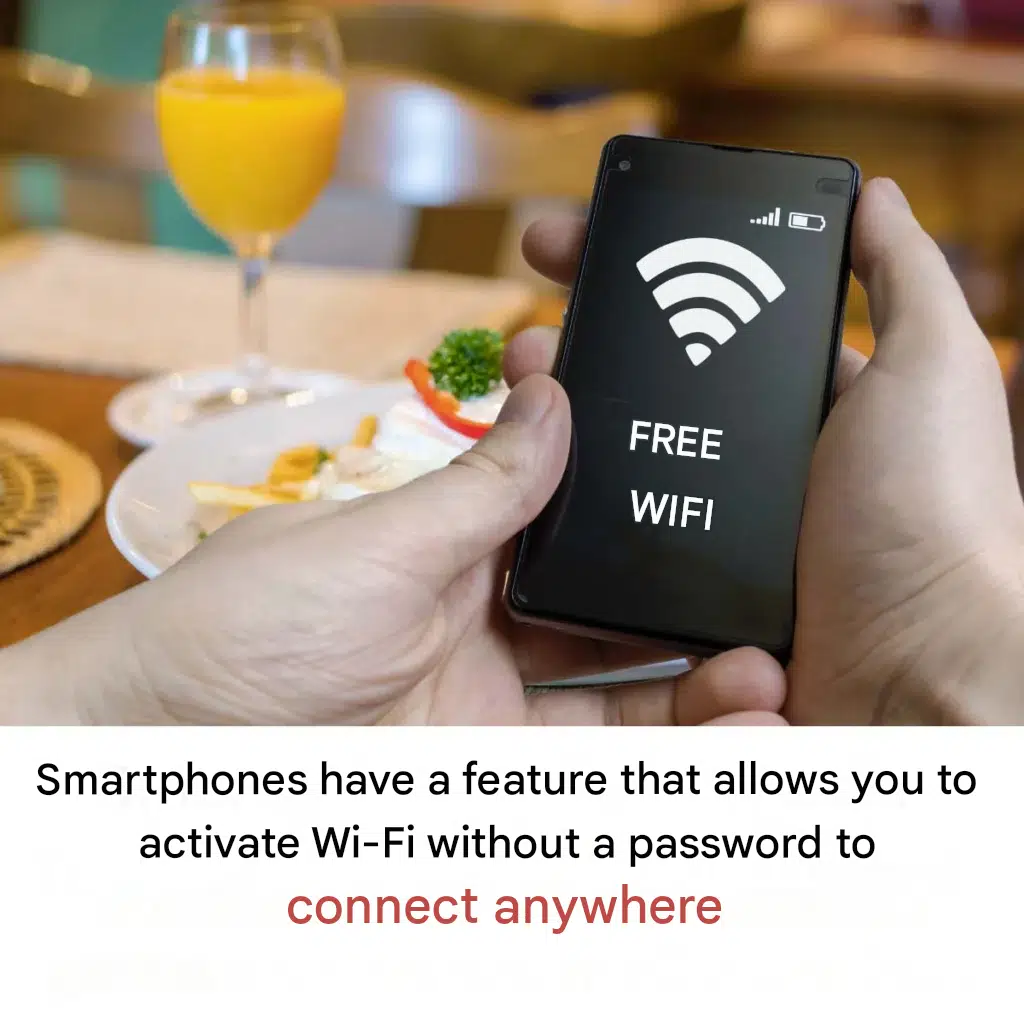
In our hyper-connected modern world, mobile data and wireless internet access have become absolute essentials. Whether we are checking emails, navigating via maps, streaming media, or staying in touch with friends and family, maintaining an active internet connection is part of everyday life. However, burning through mobile data limits or finding yourself stranded without cellular service can be a frustrating experience.
Many smartphone users wonder if there are secret features or built-in capabilities that allow seamless wireless connectivity on the go—especially when trying to access free Wi-Fi networks in public spaces without struggling to find passwords.
In this comprehensive guide, we will explore the realities of public wireless connectivity, how modern smartphones manage Wi-Fi networks, safety considerations, and practical tips for staying connected securely and efficiently.
Understanding Public Wi-Fi and Smartphone Connectivity
Smartphones are engineered with advanced networking hardware designed to detect, connect to, and manage wireless networks automatically. When you walk into a café, hotel, airport, or public square, your phone constantly scans the surrounding airspace for available Wi-Fi signals.
How Public Networks Operate
Most public Wi-Fi networks fall into two categories:
- Open Networks: Networks that require no password at all, though they often require users to accept terms and conditions via a captive portal web browser page before granting internet access.
- Secured Networks: Networks protected by encryption passwords (such as WPA2 or WPA3) designed to keep unauthorized users out and protect data traffic.
While the idea of magically unlocking or bypassing passwords on secured networks sounds appealing, operating systems prioritize security protocols that prevent unauthorized intrusions. Instead, smartphones rely on smart network sharing, saved credentials, and public hotspot directories to streamline connectivity.
10 Ways to Manage and Optimize Your Smartphone Wi-Fi
1. Utilizing Saved Network Syncing
Modern smartphone ecosystems allow users to sync trusted Wi-Fi networks securely across multiple devices linked to the same account, meaning you only need to enter a password once.
2. Leveraging Public Wi-Fi Portals
Many establishments provide free public Wi-Fi through captive portals where a simple web login replaces complex security keys, allowing quick access.
3. Automatic Network Detection
Enabling your phone’s Wi-Fi notification settings ensures your device alerts you whenever open, high-quality public wireless networks are available nearby.
4. Using Mobile Hotspot Sharing
If you need internet access on a laptop or tablet while away from home, you can easily share your smartphone’s secure cellular data connection via a portable personal hotspot.
5. Prioritizing Known Networks
Configure your smartphone settings to prioritize trusted home, work, or frequently visited networks over unfamiliar public access points.
6. Disabling Auto-Connect for Open Networks
To protect your personal data from potential cyber threats, turn off automatic connection features for unsecured public Wi-Fi networks.
7. Utilizing Virtual Private Networks (VPNs)
When browsing on public Wi-Fi networks, running a reputable VPN encrypts your internet traffic, keeping your personal information safe from malicious interception.
8. Managing Data Plans and Budgets
Monitoring your monthly mobile data usage prevents unexpected carrier overage charges and helps you balance Wi-Fi reliance with cellular data.
9. Updating Phone Network Settings
Regularly updating your smartphone’s operating system ensures your device benefits from the latest security patches and wireless protocol enhancements.
10. Financial and Technology Protection
Investing in reliable mobile technology and secure connectivity tools protects both your personal device investments and your digital privacy.
Comparison: Public Wi-Fi vs. Cellular Data Usage
To help you choose the best connection method while on the move, review the following comparison table:
| Connectivity Type | Cost & Availability | Security Level | Best Used For |
| Public Wi-Fi | Often free in public venues. | Variable (requires caution & VPN use). | Browsing, media streaming, and general web tasks. |
| Cellular Mobile Data | Tied to your monthly carrier plan. | High (encrypted carrier transmission). | Secure banking, sensitive emails, and reliable travel navigation. |
| Personal Hotspot | Uses your phone’s data allotment. | High (password-protected personal bridge). | Connecting laptops or tablets securely on the go. |
       ┌────────────────────────────────────────────────────────┐
       │     Assessing Public Wireless Availability & Needs     │
       └───────────────────────────┬────────────────────────────┘
                                   │
                                   ▼
       ┌────────────────────────────────────────────────────────┘
       │    Connecting via Captive Portals & Trusted Networks   │
       └───────────────────────────┬────────────────────────────┘
                                   │
                    ┌──────────────┴──────────────┐
                    ▼                             ▼
       ┌────────────────────────┐    ┌────────────────────────┐
       │ Using VPNs & Security  │    │ Protecting Personal    │
       │ Measures on Public Wi-Fi│    │ Data & Mobile Assets   │
       └────────────────────────┘    └────────────────────────┘
Practical Tips for Secure Mobile Browsing
Connecting to wireless networks outside your home requires mindfulness regarding digital security:
- Avoid Accessing Sensitive Accounts: Refrain from logging into banking apps or entering credit card information while connected to unsecured public Wi-Fi.
- Verify Network Names: Cybercriminals sometimes set up rogue “honeypot” networks with names mimicking nearby businesses. Always verify the correct network name with venue staff.
- Turn Off Wi-Fi When Not in Use: Disabling Wi-Fi when moving through crowded public areas stops your phone from constantly broadcasting connection requests.
Fascinating Facts About Wireless Technology
- The Origin of Wi-Fi: The term “Wi-Fi” was created by a branding firm called Interbrand for the Wireless Ethernet Compatibility Alliance in 1999 because the original technical name was too difficult for consumers to remember.
- Radio Waves: Wi-Fi networks transmit data using radio frequencies, typically operating on 2.4 GHz, 5 GHz, and newer 6 GHz bands.
- Global Impact: Billions of devices worldwide rely on wireless networking standards for daily communication, transforming how humanity accesses information.
Frequently Asked Questions (FAQ)
Can smartphones really connect to Wi-Fi anywhere without a password?
While smartphones can automatically detect open public networks in places like cafes, libraries, and airports, they cannot legally or technically bypass passwords on encrypted private networks without authorization.
Is it safe to use free public Wi-Fi?
Public Wi-Fi is convenient, but it can lack robust security. Using a Virtual Private Network (VPN) adds an essential layer of encryption to protect your personal data from snooping.
Why does my phone keep asking to join public networks?
Your phone’s Wi-Fi settings likely have “Ask to Join Networks” or “Auto-Connect” enabled. You can adjust these preferences in your device’s connection settings.
Conclusion: Stay Connected and Secure
Navigating mobile connectivity doesn’t have to be complicated. By understanding how public Wi-Fi works, utilizing captive portals safely, and practicing good digital hygiene, you can enjoy seamless internet access wherever your day takes you!
