
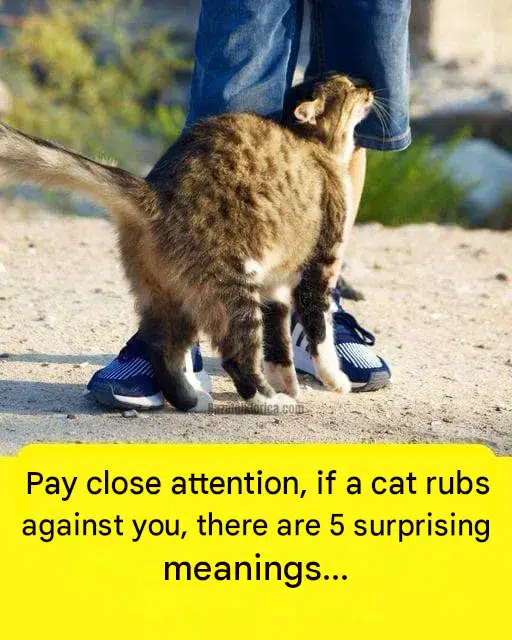
Cats are fascinating, independent creatures with complex behaviors that often puzzle their human companions. While dogs are known for wearing their hearts on their sleeves with enthusiastic tail wags and barks, feline communication is much more subtle. One of the most common and endearing behaviors a cat exhibits is rubbing its head, body, or tail against your legs, ankles, furniture, or doorway corners.
If you have ever wondered what your feline friend is trying to tell you when they snuggle up against your shins, you might be surprised to learn that it goes far beyond just asking for food or attention.
In this comprehensive guide, we will explore the feline science behind body rubbing, examine five surprising meanings behind this behavior, and provide practical tips for strengthening your bond with your pet.
The Science of Feline Scent Marking
To understand why cats rub against people, it helps to look at how felines perceive their environment. Cats possess specialized scent glands located around their face, chin, lips, cheeks, base of the tail, and paws.
When a cat rubs against you, they are not just showing affection—they are actively depositing their unique pheromones onto your skin, clothes, or shoes. This biological process serves several vital purposes in a cat’s daily life, from claiming territory to communicating emotional states.
5 Surprising Meanings When Your Cat Rubs Against You
1. Claiming Ownership and Marking Territory
Cats possess scent glands on their cheeks and chin. When your cat rubs their face against you, they are leaving behind chemical markers that say, “This human belongs to me.” It is a way of marking you as part of their safe territory.
2. Expressing Deep Affection and Trust
Rubbing is a primary sign of feline love and bonding. When a cat leans their body against yours, they are showing vulnerability, trust, and a deep sense of security in your presence.
3. Seeking Attention or Requesting Resources
Often, head-butting and leg-rubbing are preludes to asking for something specific—such as mealtime, fresh water, playtime, or a warm lap to snooze on.
4. Spreading Familiar Group Scents
In multi-pet households, cats will rub against each other and their human family members to create a shared “colony scent.” This harmonious scent helps reduce stress and reinforces social bonds within the group.
5. Communicating Stress or Seeking Reassurance
If a cat feels anxious due to environmental changes, loud noises, or unfamiliar visitors, they may cling and rub against their trusted owner more frequently to seek calming reassurance and familiar comfort.
10 Facts About Cat Behavior and Pet Care
1. Facial Pheromones vs. Tail Glands
Facial rubbing signals affection and territorial claiming, whereas tail-up wrapping around your legs usually indicates high confidence and friendly greeting.
2. The Power of Purring
Cats often combine body rubbing with rhythmic purring, a vocalization that promotes self-soothing and strengthens emotional attachment to humans.
3. Understanding Feline Body Language
Paying attention to tail position, ear angles, and posture helps you accurately interpret whether your cat wants affection or space.
4. Creating a Stress-Free Environment
Providing vertical climbing spaces, scratching posts, and cozy hiding spots reduces feline anxiety and discourages excessive stress behaviors.
5. Proper Nutritional Care
Feeding high-quality nutrition tailored to your cat’s life stage keeps their coat shiny, energy levels balanced, and overall health optimal.
6. Regular Veterinary Checkups
Routine vet visits ensure early detection of hidden health issues, as sudden changes in rubbing or clingy behavior can sometimes indicate discomfort or illness.
7. Reviewing Pet Insurance
Comprehensive pet insurance coverage provides financial security against unexpected veterinary emergencies and medical treatments.
8. Grooming and Coat Health
Regular brushing prevents hairballs and strengthens the tactile bond between you and your feline companion.
9. Upgrading Play and Enrichment
Interactive wand toys and puzzle feeders stimulate a cat’s natural hunting instincts, preventing boredom and behavioral issues.
10. Financial and Household Pet Planning
Proper budgeting for pet food, litter, and healthcare ensures a long, happy life for your furry family members.
Comparison: Feline Rubbing vs. Other Common Body Language Signals
To help decode what your cat is communicating, review the following comparison table:
| Feline Behavior | Primary Biological Meaning | Emotional State | Recommended Human Response |
| Cheek and Body Rubbing | Scent marking, claiming territory, and affection. | Happy, secure, and bonded. | Greet them calmly, pet their head, and reciprocate love. |
| Tail Wrapping Around Legs | Friendly greeting and social bonding. | Confident and welcoming. | Speak softly and offer gentle chin scratches. |
| Hissing or Swishing Tail | Warning of irritation or overstimulation. | Stressed, fearful, or defensive. | Give the cat immediate space to prevent scratching. |
       ┌────────────────────────────────────────────────────────┘
       │         Observing Your Cat Rubbing Against Your Legs   │
       └───────────────────────────┬────────────────────────────┘
                                   │
                                   ▼
       ┌────────────────────────────────────────────────────────┘
       │     Recognizing Pheromone Marking & Affection Signals  │
       └───────────────────────────┬────────────────────────────┘
                                   │
                    ┌──────────────┴──────────────┐
                    ▼                             ▼
       ┌────────────────────────┐    ┌────────────────────────┐
       │ Understanding Territory│    │ Strengthening Bond &   │
       │ & Emotional Trust      │    │ Responding with Love   │
       └────────────────────────┘    └────────────────────────┘
Practical Tips for Bonding with Your Cat
Enhancing your relationship with your feline friend is simple when you understand their communication cues:
- Offer Chin Scratches: Cats love being scratched gently around their scent glands on the chin, cheeks, and behind the ears.
- Respect Their Boundaries: If your cat stops rubbing and turns away, give them space to prevent overstimulation.
- Establish Routine: Feeding and playing with your cat at consistent times builds trust and reduces anxiety.
Financial, Insurance, and Pet Care Considerations
Responsible cat ownership involves practical planning and financial awareness:
- Budgeting for Healthcare: Regular veterinary care, vaccinations, and preventive parasite treatments safeguard your cat’s long-term health.
- Investing in Pet Insurance: Choosing a reliable pet insurance policy covers unexpected accidents, injuries, and illnesses without draining your savings.
- Creating a Safe Home: Ensuring toxic houseplants and hazardous chemicals are kept out of reach protects your pet from accidental poisoning.
Fascinating Facts About Feline Senses
- Super-Powered Smell: A cat’s sense of smell is roughly 14 times stronger than a human’s, allowing them to detect microscopic pheromone traces left behind by other animals.
- The Jacobson’s Organ: Cats possess a special organ on the roof of their mouth called the vomeronasal organ, which helps them “taste” and analyze scents in the air.
- Domesticated History: Cats have lived alongside humans for thousands of years, evolving specialized communication behaviors—like rubbing and meowing—specifically designed to interact with people.
Frequently Asked Questions (FAQ)
Why does my cat rub against my legs when I walk in the door?
When you return home, you carry unfamiliar outdoor scents. Your cat rubs against you to mix their scent with yours, re-establishing familiarity and claiming you as their territory.
Does cat rubbing mean they always want food?
While rubbing can be a request for breakfast or dinner, it is much more frequently a sign of affection, greeting, trust, and a desire for social interaction.
Why does my cat headbutt me gently?
Gentle headbutting (known as “bunting”) is a supreme sign of affection and trust. It allows cats to deposit facial pheromones onto you, marking you as a trusted member of their family circle.
Conclusion: Celebrate Your Special Bond
When your cat rubs against your legs, it is a heartwarming reminder of the unique connection you share. By understanding feline scent marking, respecting their communication cues, and providing attentive care, you can enjoy a deeply rewarding friendship with your furry companion for years to come!
