
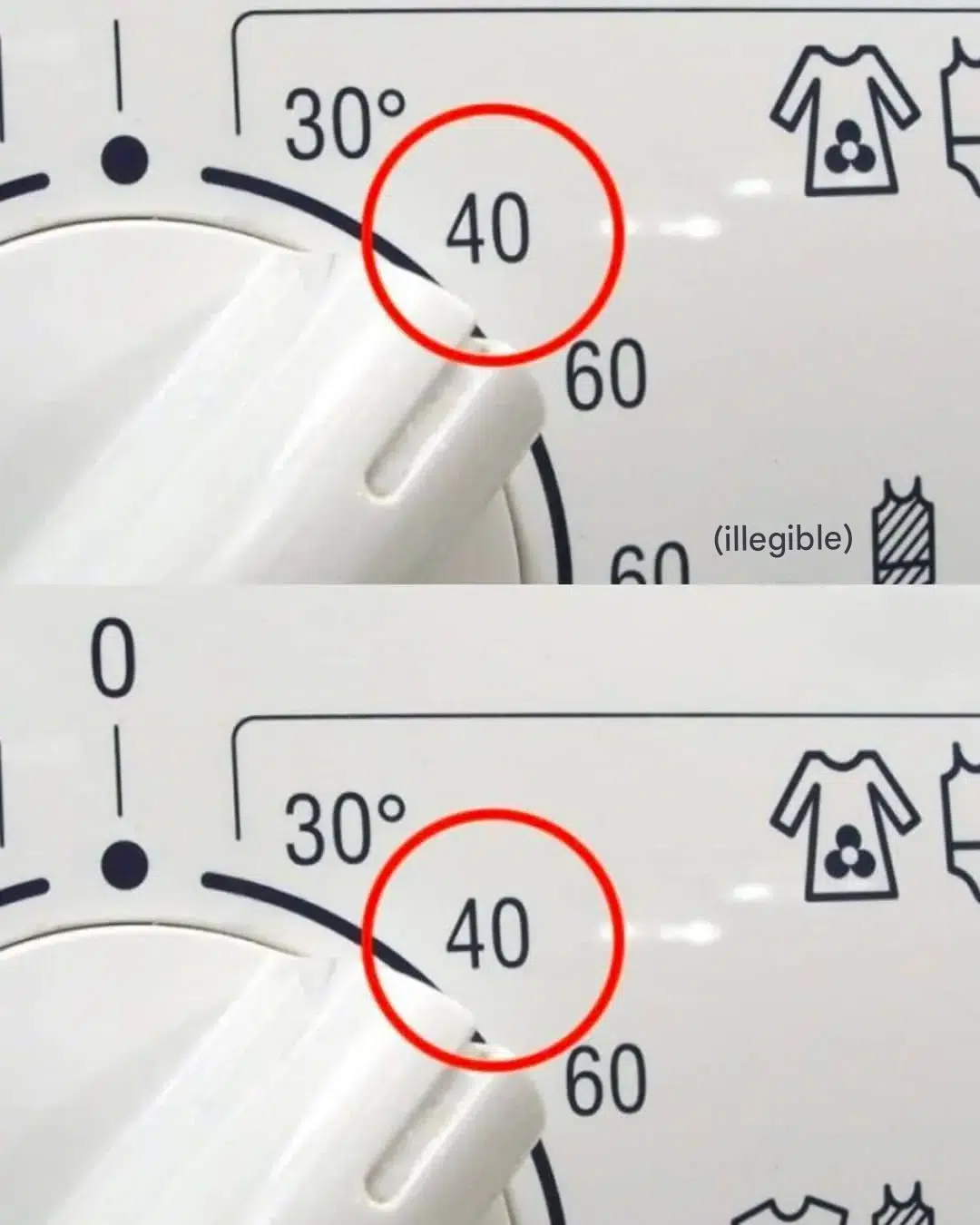
Doing laundry is one of those routine household chores we rarely think twice about. We sort our clothes, toss them into the washing machine, add detergent, and select a washing temperature. For generations, 40°C (104°F) has been widely considered the default, go-to setting for everyday garments—warm enough to loosen dirt, yet gentle enough not to shrink delicate fabrics.
However, if you visit professional laundromats or speak with commercial laundry technicians, you might be surprised to learn that many experts actively advise against washing clothes at 40°C.
In this comprehensive guide, we will explore why washing at 40 degrees is discouraged by professionals, examine the science of laundry hygiene, and provide practical tips for washing your clothes efficiently.
The Hidden Drawbacks of the 40-Degree Wash Cycle
While 40°C feels like a balanced middle ground, modern washing machine mechanics and laundry detergents have changed how clothes are cleaned.
Here are the primary reasons why laundromats and appliance experts caution against frequent 40-degree washes:
- Bacterial and Biofilm Growth: Water heated to 40°C is not hot enough to kill certain bacteria, fungi, and mold spores. Instead, it creates a warm, humid environment inside the machine drum that encourages the buildup of slimy bacterial residue, known as biofilm.
- Detergent Residue Buildup: Modern laundry liquids and powders are specifically engineered to dissolve and clean effectively even in cold water (30°C or lower). Washing exclusively at 40°C often leaves undissolved grease and detergent films clinging to the inner drum and pipes.
- Energy Inefficiency: Compared to eco-friendly cold washes (30°C or below), a 40°C cycle consumes significantly more electricity to heat the water without providing a proportional hygienic advantage.
10 Facts About Laundry Temperatures and Machine Maintenance
1. The Rise of Cold-Water Detergents
Advanced enzyme-based detergents break down stains and body oils brilliantly at 30°C or lower, making higher temperatures unnecessary for everyday loads.
2. Sanitizing at 60°inios and Higher
To truly kill dust mites, bacteria, and germs on bedsheets, towels, and heavily soiled items, washing at 60°C or higher is required.
3. Preventing Washing Machine Mold
Running monthly maintenance cycles at 60°C or 90°C with an empty drum and cleaning agent prevents mold, bad odors, and bacterial buildup.
4. Protecting Delicate Fabrics
Lower temperatures (30°C or cold) prevent modern synthetic fibers, elastic blends, and colored garments from shrinking, fading, or wearing out prematurely.
5. Energy and Utility Savings
Lowering your washing machine temperature from 40°C to 30°C reduces your appliance’s energy consumption by up to 30%, lowering monthly electricity bills.
6. Cleaning Door Gaskets Regularly
Wipe down the rubber seal around your washing machine door after every wash to prevent moisture and lint accumulation.
7. Leaving the Door Ajar
Always leave the washing machine door slightly open after a cycle finishes to let the drum air out and prevent musty odors.
8. Reviewing Fabric Care Labels
Following garment manufacturer labels prevents accidental clothing damage while optimizing water temperature settings.
9. Financial and Appliance Longevity
Proper machine maintenance and avoiding inefficient wash cycles extend the lifespan of your washing machine, preventing costly repair bills.
10. Sustainable Wardhouse Care
Eco-friendly washing habits protect both your clothing investments and the environment by conserving energy and water resources.
Comparison: 40°C Washes vs. Eco / High-Temp Washing
To help determine the best temperature settings for your laundry, review the following comparison table:
| Wash Temperature | Energy Consumption | Bacterial & Mold Control | Best Used For |
| 40°C (Traditional Warm) | Moderate to High. | Moderate; can encourage internal machine biofilm. | Older default setting (now largely superseded by specialized temperatures). |
| 30°C or Cold (Eco) | Low (Energy-saving). | Good for fabrics; requires enzyme detergents. | Everyday colored garments, synthetics, and lightly soiled clothes. |
| 60°C and Above (Hot) | High. | Excellent; kills bacteria, dust mites, and germs. | Bedding, towels, underwear, and heavily soiled linens. |
       ┌────────────────────────────────────────────────────────┘
       │         Sorting Laundry & Selecting Wash Temperature   │
       └───────────────────────────┬────────────────────────────┘
                                   │
                                   ▼
       ┌────────────────────────────────────────────────────────┘
       │      Recognizing Drawbacks of 40°C (Inefficient & Biofilm)│
       └───────────────────────────┬────────────────────────────┘
                                   │
                    ┌──────────────┴──────────────┐
                    ▼                             ▼
       ┌────────────────────────┐    ┌────────────────────────┐
       │ Switch to 30°C (Cold)  │    │ Use 60°C+ for Towels/  │
       │ for Everyday Garments  │    │ Bedding & Deep Hygiene │
       └────────────────────────┘    └────────────────────────┘
Practical Tips for Optimizing Your Laundry Routine
Updating your washing habits yields cleaner clothes and a healthier machine:
- Embrace Cold Washing: Wash everyday clothes at 30°C or lower using modern liquid detergents to protect fabric colors and save on electricity.
- Reserve High Heat for Linens: Wash towels, bedsheets, and dishcloths at 60°C periodically to sanitize and eliminate trapped bacteria.
- Run Maintenance Washes: Run an empty hot wash (60°C or 90°C) with white vinegar or a machine cleaner once a month to dissolve internal detergent buildup.
Financial, Insurance, and Legal Considerations
Managing household appliances responsibly involves practical financial awareness:
- Lowering Utility Bills: Cutting back on unnecessary hot water heating cycles significantly decreases monthly power bills.
- Preventing Appliance Breakdowns: Preventing mold and scale buildup inside your washing machine extends its operating life, saving money on replacement costs.
- Protecting Clothing Investments: Using correct temperatures prevents clothes from shrinking or wearing out prematurely, preserving your wardrobe.
Fascinating Facts About Laundry Technology
- Enzyme Evolution: Modern laundry detergents contain biological enzymes discovered in nature that actively digest proteins, starches, and fats at much lower water temperatures than older chemical soaps.
- The Invention of the Washing Machine: Early mechanical washing machines required boiling clothes over open fires; today’s smart appliances rely on precise computerized drum movements and energy-efficient water heaters.
- Global Energy Impact: If every household lowered their standard wash temperature by 10 degrees, global carbon emissions from water heating would drop by millions of tons annually.
Frequently Asked Questions (FAQ)
Why do laundromats discourage washing at 40 degrees?
Washing at 40°C is often considered an “in-between” trap: it uses extra energy to heat water, but it is not hot enough to sanitize laundry or prevent bacterial slime (biofilm) from accumulating inside the washing machine.
Is washing at 30 degrees truly effective?
Yes! Modern laundry detergents are specially formulated with active enzymes that clean clothes thoroughly at 30°C or even in cold water, protecting your fabrics while saving electricity.
When should I use high temperatures like 60 degrees?
You should reserve 60°C or higher washes for items that require deep sanitation, such as bedsheets, pillowcases, bath towels, dishcloths, and underwear, to effectively kill bacteria and dust mites.
Conclusion: Wash Smarter, Not Hotter
Re-evaluating the traditional 40-degree wash cycle is one of the easiest ways to upgrade your laundry routine. By utilizing energy-efficient 30°C washes for everyday clothing, reserving 60°C for sanitizing linens, and maintaining your machine, you’ll protect your clothes, cut your utility bills, and keep your washing machine sparkling clean!
