
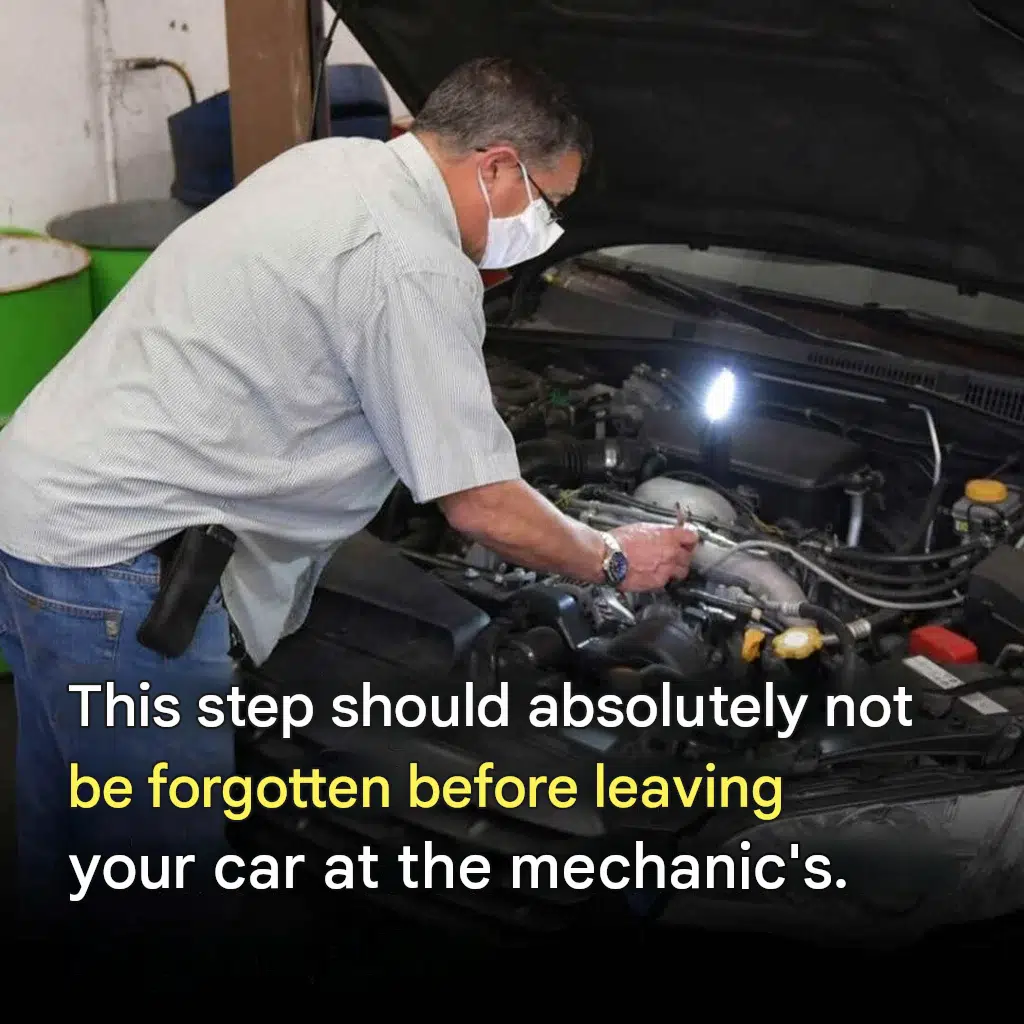
Taking your car to a mechanic for routine maintenance, diagnostics, or unexpected repairs is a standard part of vehicle ownership. Whether your car requires complex engine service, brake replacements, or general inspections, handing over the keys to a repair shop requires trust and preparation. However, many vehicle owners drop off their cars without taking vital preparatory steps, which can occasionally lead to misunderstandings regarding repair costs, overlooked issues, or missing personal items.
Before dropping off your vehicle at a repair shop, taking specific precautionary steps ensures transparent communication, protects your personal belongings, and establishes a clear legal record of your car’s condition.
This comprehensive guide explores essential pre-mechanic steps, auto repair rights, insurance protections, financial planning, and practical tips for managing automotive maintenance smoothly.
Why Preparation Matters Before Auto Repair
Automobile repairs represent a significant financial investment. When you entrust your vehicle to a service center, establishing clear expectations protects both the vehicle owner and the repair facility. Proper preparation helps prevent unexpected charges, ensures that specific diagnostic requests are addressed, and provides documentation in case of disputes.
Common Pitfalls of Dropping Off a Car Unprepared
- Unclear Repair Estimates: Dropping off a vehicle without a signed diagnostic agreement can lead to unauthorized repairs and unexpected costs.
- Overlooked Symptoms: Failing to document intermittent noises or dashboard warning lights makes it difficult for mechanics to diagnose elusive problems accurately.
- Exposed Personal Valuables: Leaving personal items, garage door openers, or sensitive documents inside the vehicle increases unnecessary security risks.
Step-by-Step Preparation Checklist for Your Mechanic Visit
Before handing over your keys, following a structured preparation checklist ensures a seamless service experience.
                  [ Pre-Mechanic Preparation ]
                               │
                               ▼
            [ Documenting Vehicle Condition & Mileage ]
                               │
  ┌────────────────────────────┼────────────────────────────┐
  ▼                            ▼                            ▼
[Remove Personal Valuables]  [Get Written Estimates]  [Clear Diagnostic Notes]
  │                            │                            │
  └────────────────────────────┼────────────────────────────┘
                               │
                               ▼
               [ Secure and Transparent Repair Process ]
1. Remove Valuables and Personal Items
Clear out all personal belongings from the glove compartment, center console, and trunk before your appointment. This protects your belongings and gives technicians clear access to areas they may need to inspect during repairs.
2. Document Existing Damage and Mileage
Take a complete walkaround video or series of photographs capturing your car’s exterior body panels, wheels, and interior before leaving it at the shop. Note your exact odometer mileage to maintain an accurate record of vehicle use while in the shop’s care.
3. Request a Signed Written Estimate
Never authorize open-ended repairs. Always request a detailed, signed written estimate outlining diagnostic fees, labor rates, and parts costs before any work begins. Legitimate repair shops will provide a clear quote and require your authorization if additional unexpected issues are discovered.
+-------------------------------------------------------------------+
|               Pre-Mechanic Visit Checklist                        |
+-------------------------+-----------------------------------------+
| Preparation Step        | Primary Benefit                         |
+-------------------------+-----------------------------------------+
| Remove Personal Items   | Secures valuables & clears workspace    |
| Photograph Condition    | Documents pre-existing body/interior state|
| Record Odometer Mileage | Tracks precise vehicle usage            |
| Obtain Written Quote    | Prevents unexpected repair costs        |
+-------------------------+-----------------------------------------+
Financial Planning, Insurance, and Legal Protections
Managing major automotive repairs requires sound financial and legal awareness to protect your assets.
Auto Insurance and Repair Coverage
Standard auto insurance policies generally cover damage resulting from accidents, theft, or weather events, but they do not cover mechanical breakdowns or routine maintenance. However, comprehensive or garage liability insurance policies held by repair shops protect your vehicle against damage that occurs while it is parked or being test-driven on their premises.
Legal Rights and Dispute Resolution
Consumer protection laws regulate the automotive repair industry in many regions. If a dispute arises over unauthorized repairs or inflated bills, having a signed written estimate and detailed documentation serves as binding evidence in resolving the issue through consumer protection agencies or legal channels.
Fascinating Facts About Automotive Repair and Maintenance
- The Evolution of Diagnostics: Modern mechanics rely heavily on OBD-II (On-Board Diagnostics) computer scanners, transforming car repair from mechanical guesswork into precise electronic analysis.
- The Importance of Service Records: Keeping an organized binder or digital log of every repair and oil change significantly increases a vehicle’s resale value when selling or trading it in.
- Right to Repair Legislation: Global consumer advocacy campaigns have continuously fought for “Right to Repair” laws, ensuring vehicle owners and independent mechanics have fair access to diagnostic software and specialized repair manuals.
Conclusion
Taking your car to the mechanic doesn’t have to be a stressful experience. By taking the crucial step of documenting your vehicle’s condition, removing personal valuables, and securing a signed written estimate before handing over your keys, you ensure complete transparency and peace of mind. Combining these practical habits with proper insurance and financial planning protects your investment and keeps your vehicle running reliably for years to come.
Frequently Asked Questions (FAQ)
What is the most important step before leaving my car at a repair shop?
Obtaining a signed, written estimate detailing all diagnostic fees, labor charges, and expected parts costs before authorizing any work is essential to prevent unexpected charges.
Should I remove my personal belongings from the car?
Yes. Removing valuables, garage door openers, and personal documents protects your belongings and ensures technicians have unhindered access to areas requiring inspection or repair.
Why is recording my odometer mileage important?
Noting your exact mileage before dropping off the car provides an accurate baseline for tracking vehicle usage while it is in the mechanic’s custody.
What should I do if the mechanic finds additional problems not on the initial estimate?
Reputable mechanics are legally or ethically required to contact you to explain the additional issue and obtain your explicit approval before performing any unapproved extra work or incurring additional costs.
Does auto insurance cover damage that happens while my car is at the mechanic?
Licensed repair shops carry specialized garage keeper’s liability insurance designed to cover any damage that occurs to your vehicle while it is parked, serviced, or test-driven at their facility.
