
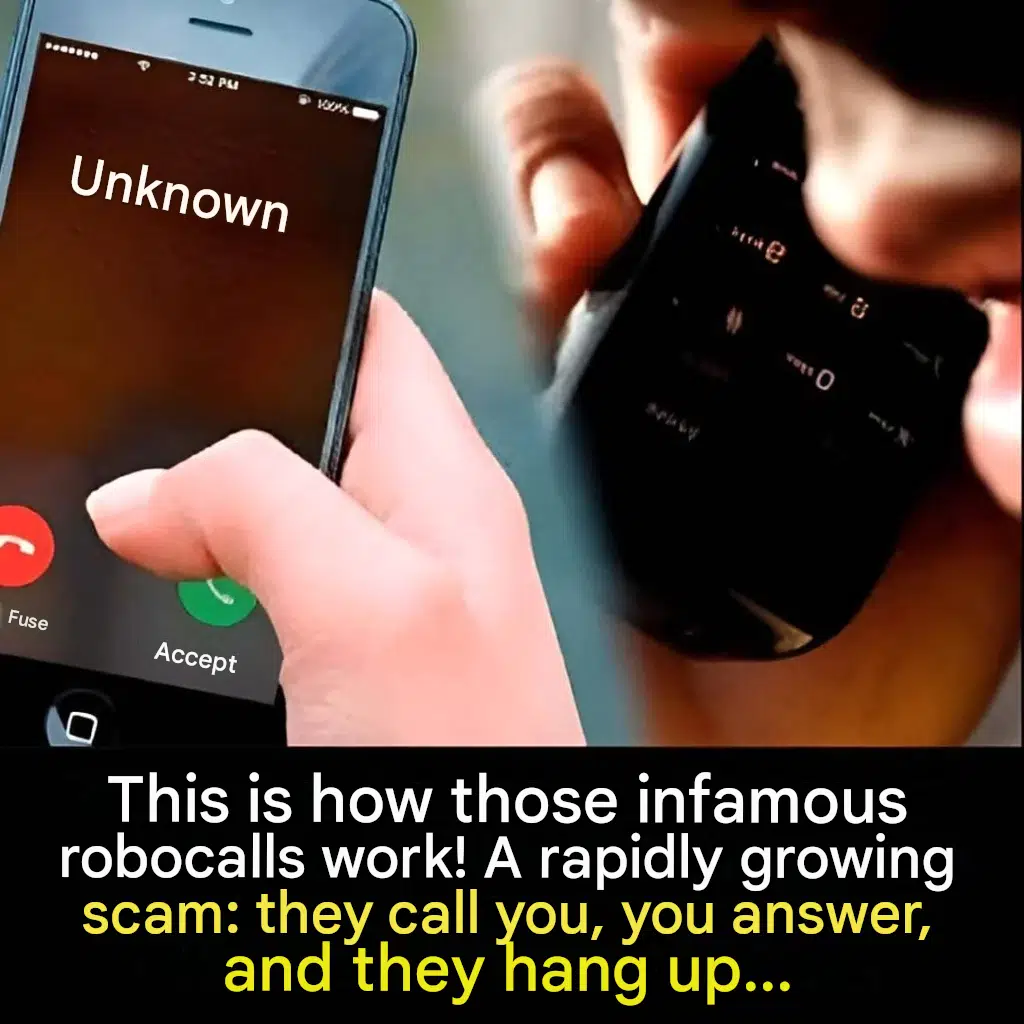
In the modern digital age, mobile phones are essential tools for daily communication, business, and personal connectivity. However, the rise of smartphones has also brought an unwelcome side effect: a massive surge in automated phone calls, commonly known as robocalls and telemarketing scams. Most mobile users have experienced the frustrating phenomenon of answering an unknown number, only for the caller to hang up immediately after a brief pause or silence.
Understanding how robocall systems operate, why they disconnect abruptly, and how to protect your personal information is vital for maintaining digital security and peace of mind.
This comprehensive guide explores the mechanics of automated dialers, scam tactics, mobile security best practices, financial protection, and legal safeguards against unwanted phone interference.
The Mechanics Behind Automated Dialers and Robocalls
To understand why a robocall hangs up immediately after you answer, it helps to examine the technology driving these automated campaigns. Scammers and telemarketers rarely dial phone numbers manually. Instead, they utilize computerized systems known as predictive dialers.
How Predictive Dialers Operate
- High-Volume Dialing: Automated software dials thousands of phone numbers simultaneously across multiple area codes to maximize reach.
- The Agent Availability Ratio: Because call centers have a limited number of live human operators available at any given time, the automated system dials more numbers than there are available agents, predicting when an operator will finish a previous call.
- Abandoned Calls: If the automated dialer connects you to a live line (when you say “Hello?”), but all human operators are currently busy with other calls, the system instantly disconnects—resulting in the infamous immediate hang-up.
                  [ Automated Dialer Initiates Calls ]
                                   │
                                   ▼
                [ Multiple Numbers Dialed Simultaneously ]
                                   │
  ┌────────────────────────────────┼────────────────────────────────┐
  ▼                                ▼                                ▼
[Live Answer Detected]    [No Operators Available]    [Invalid / Dead Number]
  │                                   │                                   │
  └────────────────────────────────┼────────────────────────────────┘
                                   │
                                   ▼
               [ Immediate Hang-Up / Abandoned Call ]
The Risks and Objectives of Robocall Scams
Beyond mere annoyance, robocalls serve specific malicious objectives designed to extract data, money, or personal information from unsuspecting targets.
Common Robocall Objectives
- Verifying Active Numbers: When you answer a robocall, the automated system flags your phone number as “active” and verified, leading to an increase in future spam calls.
- Voice Recording Scams: Some automated prompts record your voice saying simple words like “Yes” in an attempt to capture voice signatures for unauthorized authorization schemes.
- Phishing and Impersonation: Scammers often spoof local or institutional numbers, pretending to represent government agencies, utility companies, or financial institutions to harvest sensitive data.
Practical Mobile Security and Spam Protection Strategies
Protecting your phone from constant intrusion requires a combination of mobile software tools, carrier safeguards, and smart personal habits.
Effective Defense Against Robocalls
- Do Not Answer Unknown Numbers: If an incoming call is from an unrecognized or suspicious caller, let it go to voicemail. Legitimate callers will leave a message.
- Utilize Carrier Spam Blockers: Major mobile carriers offer built-in spam-detection services (such as AT&T Call Protect, Verizon Call Filter, or T-Mobile Scam Shield) that automatically flag or block fraudulent numbers.
- Enable Third-Party Call Filtering Apps: Install reputable mobile security applications designed to screen, identify, and block known robocall databases.
- Register on National Do Not Call Lists: Adding your phone number to government registries reduces telemarketing solicitations, though illegal scammers often ignore these lists.
+-------------------------------------------------------------------+
|               Robocall Defense and Security Checklist             |
+-------------------------+-----------------------------------------+
| Protection Strategy     | Primary Benefit                         |
+-------------------------+-----------------------------------------+
| Ignore Unknown Callers  | Prevents verification of active lines   |
| Enable Carrier Filters  | Automatically blocks known spam pools   |
| Use Spam Blocking Apps  | Flags suspicious numbers in real-time   |
| Avoid Speaking "Yes"    | Protects against voice recording scams  |
+-------------------------+-----------------------------------------+
Financial Planning, Insurance, and Legal Safeguards
As phone scams become increasingly sophisticated, safeguarding your personal data and financial assets is paramount.
Protecting Against Financial Fraud
Phishing scams delivered via phone can sometimes target banking credentials or personal identification details. Robust financial protection involves:
- Credit Monitoring Services: Enrolling in alerts that notify you immediately of any unauthorized credit inquiries or account openings.
- Multi-Factor Authentication (MFA): Securing financial accounts with secondary verification methods to prevent unauthorized access even if login data is compromised.
- Insurance Coverage: Certain comprehensive insurance policies and identity theft protection plans cover legal expenses and financial losses resulting from identity compromise.
Fascinating Facts About Telephony and Robocalls
- Billions of Calls: Telecommunications industry reports estimate that billions of robocalls are placed globally every month, making automated spam one of the most pervasive digital annoyances.
- Caller ID Spoofing: Modern digital telephony allows scammers to easily manipulate caller ID displays to show local area codes or trusted company names, a technique known as “spoofing.”
- STIR/SHAKEN Technology: Telecom regulators introduced a cryptographic framework called STIR/SHAKEN to authenticate caller IDs and help mobile carriers trace and block illegally spoofed phone calls at the network level.
Conclusion
Understanding why robocalls hang up immediately after you answer demystifies a frustrating daily annoyance and highlights the automated mechanics behind phone scams. By recognizing that answering verifies your number for future spam, utilizing carrier blocking tools, and practicing diligent mobile security, you can significantly reduce unwanted intrusions and protect your personal data.
Frequently Asked Questions (FAQ)
Why did the phone hang up the exact second I said “Hello”?
This usually happens because a predictive dialer connected you to an active line, but all human scam operators were busy with other calls. The computer system automatically disconnects the call when no agent is available.
Does answering a robocall cause more spam calls?
Yes. When you answer a call, automated software registers your phone number as active and monitored by a live human, often selling or moving your number to active calling lists.
How can I stop getting so many robocalls?
You can reduce robocalls by letting unknown numbers go to voicemail, enabling carrier spam-filtering features (like Scam Shield or Call Filter), installing third-party blocking apps, and avoiding answering calls from unfamiliar numbers.
Are all automated robocalls illegal?
Not all robocalls are illegal. Automated informational alerts, school closure notifications, pharmacy prescription reminders, and automated appointment reminders are permitted, provided they comply with telecommunication regulations.
What should I do if a robocall asks me to say “Yes”?
Never say “Yes” or provide personal information to automated prompts. Scammers sometimes record voice responses to use as audio authorization for fraudulent transactions or account changes.
