
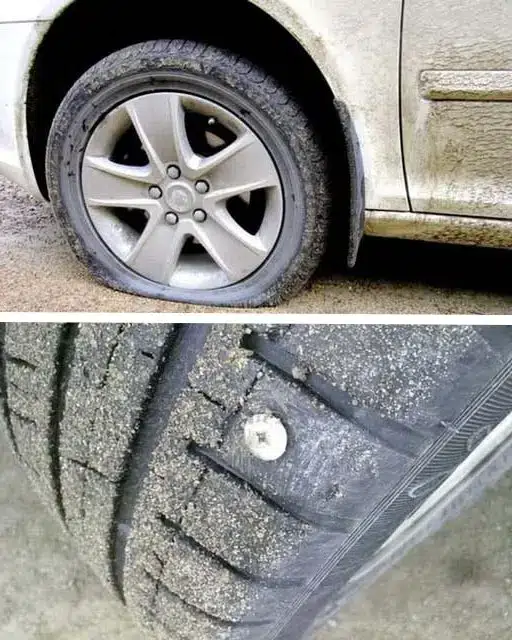
Experiencing a flat tire while driving is one of the most frustrating and stressful automotive emergencies. Whether you are commuting to work or embarking on a long road trip, pulling over to discover a deflated tire instantly disrupts your plans. The situation becomes even more daunting when you check the trunk and realize your vehicle does not have a spare tire—a common reality for many modern cars manufactured with compact repair kits instead of traditional spare wheels.
Knowing how to handle a flat tire safely when no spare is available can prevent accidents, protect your vehicle’s wheels, and get you back on the road safely. Understanding your temporary repair options and emergency protocols ensures you stay prepared for unexpected roadside hurdles.
Why Modern Cars Often Lack Spare Tires
If your vehicle came without a spare tire, it is usually the result of deliberate automotive engineering choices aimed at efficiency and space-saving.
1. Weight Reduction and Fuel Economy
- Lighter Vehicles: Removing the heavy steel wheel, jack, and lug wrench significantly reduces the total weight of the vehicle.
- Improved Efficiency: Lighter cars consume less fuel and produce lower carbon emissions, helping manufacturers meet strict government efficiency standards.
2. Maximizing Cargo Space
- Extra Storage: Without a bulky spare tire well occupying the trunk floor, designers can offer deeper cargo capacity or allocate that space to hybrid and electric vehicle battery packs.
Emergency Solutions When You Have No Spare Tire
If you find yourself stranded with a flat tire and no spare wheel, several alternative solutions can help you resolve the situation.
1. Using a Tire Sealant and Compressor Kit
Many modern vehicles are equipped with an emergency tire repair kit containing a canister of liquid sealant and a 12V air compressor.
- Injecting Sealant: The liquid sealant is pumped through the valve stem into the tire, where it flows into the puncture hole from the inside.
- Reinflating the Tire: Connecting the compressor reinflates the tire, allowing you to drive cautiously to the nearest repair shop at low speeds.
2. Contacting Roadside Assistance or Towing Services
If the puncture is too large, located on the sidewall, or if you lack an emergency repair kit, professional help is necessary.
- Insurance and Auto Clubs: Contact your auto insurance provider, roadside assistance program (such as AAA), or vehicle warranty service to request a flatbed tow truck.
- Avoiding Wheel Damage: Never drive on a completely flat tire, as doing so will destroy the metal rim, damage the suspension, and create a dangerous driving hazard.
Financial, Insurance, and Legal Considerations
Roadside emergencies intersect with vehicle maintenance budgets, insurance policies, and travel safety laws.
Protecting Your Investment and Safety
- Roadside Coverage Plans: Ensuring your auto insurance or membership packages include free or low-cost towing safeguards you against expensive emergency towing fees.
- Proper Tire Maintenance: Regularly inspecting your tires for embedded nails, screws, or low tread depth helps prevent unexpected flats before they happen on busy highways.
Practical Tips for Handling a Roadside Flat Safely
If your tire goes flat while driving, follow these crucial steps to ensure your safety:
- Pull Over Safely: Immediately signal and move your vehicle completely off the active roadway onto a flat shoulder, rest stop, or well-lit parking lot.
- Turn on Hazard Lights: Activate your emergency flashers to alert oncoming traffic to your stationary vehicle.
- Set Up Warning Triangles: If safe to do so, place a reflective warning triangle or flares behind your car to increase visibility.
- Remain in a Safe Location: If you are parked near a busy highway, step out of the car and wait behind a guardrail rather than sitting inside the vehicle.
Fascinating Insights Into Automotive Evolution
- The Rise of Run-Flat Tires: Many modern luxury and performance vehicles utilize “run-flat” tires, which feature reinforced sidewalls capable of supporting the vehicle’s weight for 50 miles at low speeds even after a complete loss of air pressure.
- The Invention of the Spare Tire: The concept of carrying an extra inflated tire was popularized by the Spare Motor Wheel Company in 1904, transforming early motoring by eliminating the dread of being stranded by punctures.
Staying Prepared for the Unexpected
Discovering a flat tire without a spare can feel overwhelming, but knowing your options transforms a roadside crisis into a manageable event. Whether utilizing a temporary sealant kit or calling for professional towing assistance, staying calm and prioritizing safety ensures you reach your destination securely.
Frequently Asked Questions (FAQ)
Can I drive on a flat tire if I go very slowly?
No. Driving on a flat tire—even for a short distance—will shred the rubber, warp or destroy the expensive alloy wheel, and severely compromise your steering control.
Do tire repair kits permanently fix a puncture?
Emergency liquid sealants are temporary fixes designed to get you to a service center. Once at a shop, a professional technician must inspect the tire and perform a proper internal patch or plug repair.
What should I do if my tire is punctured by a large screw?
Do not pull the screw out if you are on the roadside, as removing it will let the remaining air escape instantly. Leave it in place until you can use a sealant kit or have the vehicle towed to a mechanic.
