
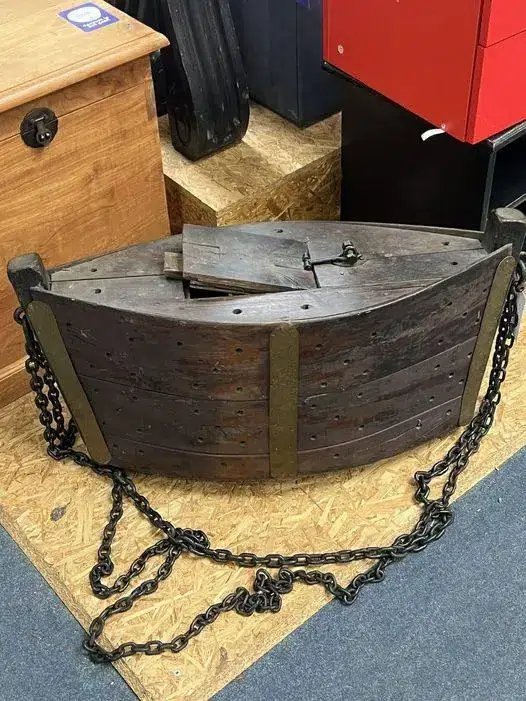
Exploring antique markets, thrift shops, and historical exhibitions often brings fascinating encounters with mysterious vintage objects. Items that served vital utilitarian purposes in past centuries frequently look completely alien to modern eyes. From specialized agricultural tools and maritime gear to domestic household gadgets, antique artifacts offer a captivating window into the ingenuity and craftsmanship of earlier generations.
Identifying and preserving historical objects requires a blend of curiosity, historical research, and careful material evaluation. In this comprehensive guide, we will explore the significance of antique artifacts, the methodology of identifying mystery items, personal finance management, and practical tips for building or appreciating a curated collection of historical curiosities.
1. The Intrigue of Historical Artifacts and Mystery Objects
To understand why unusual vintage items spark so much public fascination, it helps to examine how historical objects connect us to the past:
- Utilitarian Design: Unlike modern mass-produced goods, historical items were often custom-built by skilled tradesmen to solve specific manual or industrial challenges.
- The Mystery of Form: When a tool’s original function is forgotten, its unique shape, hardware, and materials invite endless speculation, turning identification into an intellectual puzzle.
- Material Authenticity: Genuine antique pieces showcase traditional woodworking techniques, hand-forged chains, brass brackets, and aged patinas that cannot be replicated by modern manufacturing.
2. Practical Methods for Identifying Antique Curiosities
When you stumble upon an unfamiliar vintage object at an antique store or estate sale, following a structured evaluation process helps uncover its true history:
+-------------------------------------------------------------------+
|               Antique Identification Matrix                       |
+-------------------------------------------------------------------+
                                  |
            +---------------------+---------------------+
            |                                           |
            v                                           v
+-----------------------+                   +-----------------------+
|  Examine Hardware     |                   |  Analyze Materials    |
| (Check for hand-forged|                   |  (Wood types, patina, |
|  chains, latches, pins)|                  |  and brass fittings)  |
+-----------------------+                   +-----------------------+
            |                                           |
            v                                           v
+-----------------------+                   +-----------------------+
| Dates the manufacturing|                  | Reveals the object's  |
| era and craftsmanship.|                   | intended environment. |
+-----------------------+                   +-----------------------+
Steps to Researching Mystery Items
- Inspect Fasteners and Hardware: Look closely at screws, hinges, latches, and chains. Hand-forged iron or specific casting marks often provide clues to the item’s age and region of origin.
- Evaluate Wood and Wear Patterns: Examine the species of wood, joint construction (such as dovetails or pegged mortise-and-tenon), and natural wear patterns to determine how the object was handled.
- Consult Expert Communities: Sharing high-resolution photos with antique collector forums or museum archivists can quickly unlock the identity of rare historical pieces.
3. Comparing Antique Preservation and Collecting Approaches
| Collecting Approach | Primary Focus | Cost & Investment | Skill Required | Preservation Level |
| Curiosity Collecting | Aesthetic appeal & conversation pieces | Low to Moderate | Low | Basic dusting |
| Historical Restoration | Returning items to original function | Moderate | High | Specialized care |
| Archival Preservation | Maintaining museum-grade integrity | High | Expert | Controlled environment |
| Upcycled Antique Decor | Blending vintage items into modern homes | Low | Moderate | Functional modification |
4. Financial Health, Asset Valuation, and Collecting
Investing in antiques and historical artifacts involves balancing personal passion with smart finance and budgeting.
       +-------------------------------------------------------+
       |             Antique Investment Strategy               |
       +-------------------------------------------------------+
                                  |
                                  v
       +-------------------------------------------------------+
       |   Research Market Value & Authenticity Before Buying  |
       +-------------------------------------------------------+
                                  |
            +---------------------+---------------------+
            |                                           |
            v                                           v
+-----------------------+                   +-----------------------+
|  Avoid Impulse Buys   |                   |  Protect Collections  |
|  (Ensures sound       |                   |  with Proper Home     |
|   personal finance)   |                   |  Insurance Coverage)  |
+-----------------------+                   +-----------------------+
Smart Collecting Practices
- Set a Clear Budget: Antiques and rare curiosities span a massive price range. Establishing a dedicated collecting budget prevents unnecessary strain on your personal finance goals.
- Insurance Protection: High-value antique collections should be documented and insured under specialized home insurance riders to protect against accidental damage or loss.
5. Safety, Legal, and Preservation Standards
Maintaining antique wooden objects requires specific environmental controls to prevent degradation over time.
Protecting Wooden Artifacts
- Humidity Control: Wood expands and contracts with changes in humidity. Keep antique wooden items away from direct heat sources and air conditioning vents to prevent cracking.
- Gentle Cleaning: Avoid harsh chemical cleaners or abrasive scouring pads on aged wood. Use a soft, dry microfiber cloth to remove dust safely.
6. Fascinating Facts About Antique Tools and Objects
- Forgotten Inventions: Many 19th-century domestic and agricultural tools became obsolete almost overnight with the advent of electrical power and mechanized manufacturing.
- The Value of Patina: In the antique market, original surface patina—the natural sheen developed through decades of handling and aging—is prized by collectors and should rarely be stripped or sanded away.
- Maritime Influences: Many historical wooden containers featuring heavy metal chains and watertight lids were designed for marine, mining, or agricultural transport.
7. Frequently Asked Questions (FAQ)
How can I tell if an antique wooden object is authentic?
Authentic antiques typically display traditional joinery techniques, handmade hardware, natural wood aging, and consistent wear patterns appropriate for their stated era.
What is the best way to clean old wooden artifacts?
Dust gently with a soft microfiber cloth. Avoid water saturation and harsh chemical polishes, which can permanently damage aged wood finishes.
Are antique mystery objects valuable?
Value depends entirely on rarity, historical significance, condition, and market demand. Some obscure utilitarian items hold high value among specialized niche collectors.
Where can I get an antique item identified?
You can consult local antique appraisers, historical society archives, or online artifact-identification communities dedicated to vintage curiosities.
Conclusion: Unlocking the Stories of the Past
Antique objects and historical curiosities offer a tangible connection to the ingenuity of earlier generations. Whether you are a dedicated collector or simply captivated by mysterious vintage finds, exploring their history enriches our appreciation for the evolution of design and craftsmanship.
Keep exploring antique shops, stay curious about the past, and enjoy uncovering the stories behind history’s most mysterious objects!
