
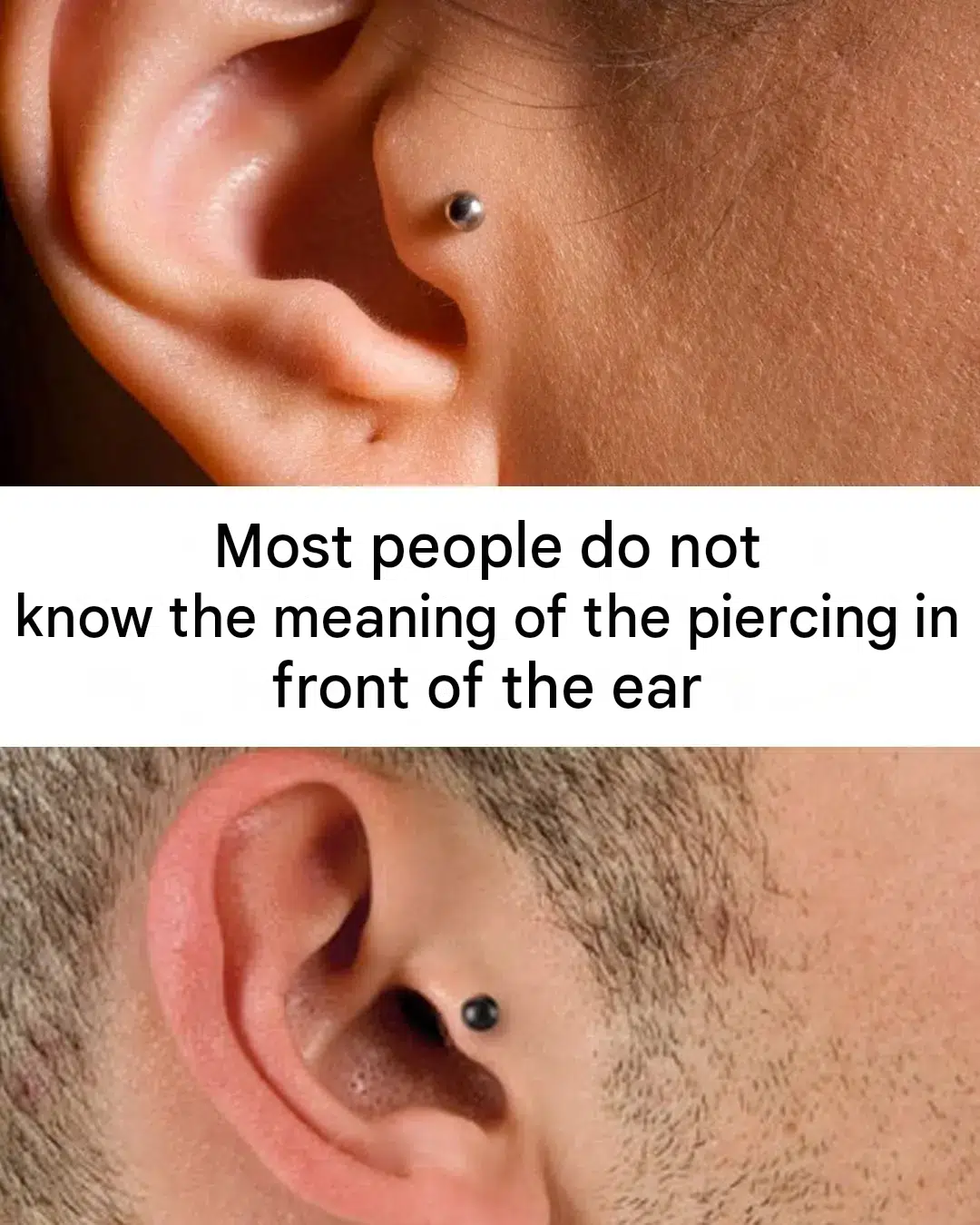
Body modification has been a cornerstone of human culture for thousands of years. From ancient tribal rituals signifying passage into adulthood to modern expressions of personal style, piercing different parts of the body serves as a powerful medium for storytelling, identity, and aesthetics. Among the various types of body art adorning the face and ears, the tragus piercing has surged in popularity over recent decades. Positioned on the small, thick flap of cartilage right in front of the ear canal known as the tragus, this piercing offers a unique blend of subtle elegance and edgy sophistication.
Yet, beyond its sleek visual appeal, many people wonder about the deeper origins, cultural meanings, physiological considerations, and practical implications of getting a tragus piercing. Is it painful? How long does healing take? What are the potential health risks, and how can you ensure proper maintenance?
In this comprehensive guide, we will explore everything you need to know about the tragus piercing—from its anatomical definition and historical background to health precautions, financial considerations, and step-by-step aftercare tips.
Anatomy and Definition of the Tragus
To fully understand a tragus piercing, it helps to examine the human anatomy involved. The tragus is a small, prominent prominence of cartilage located on the lateral face of the head, positioned directly in front of the external acoustic meatus (the ear canal opening).
Because the tragus consists entirely of dense elastic cartilage rather than soft fleshy lobe tissue, piercing it requires specialized technique, precise needle placement, and high-quality body-safe jewelry. The firmness and thickness of the cartilage mean that the procedure behaves differently than traditional earlobe piercings, requiring greater patience during the healing phase.
History and Cultural Significance of Ear Piercings
While modern body art enthusiasts view ear piercings primarily through the lens of fashion and self-expression, earlobe and cartilage modifications possess ancient roots spanning diverse global cultures.
Ancient Traditions and Tribal Heritage
- Indigenous Practices: Various indigenous communities across the globe practiced cartilage and lobe modifications as indicators of tribal status, spiritual protection, or coming-of-age milestones.
- Eastern and Ayurvedic Influences: In traditional Eastern systems, particular points on the outer ear correspond to energy meridians and pressure points, inspiring centuries of interest in localized body stimulation.
- Modern Subculture Adoption: During the late 20th century, alternative subcultures, punk movements, and modern fashion runways embraced facial and cartilage piercings, transforming them into mainstream accessories.
Contemporary Symbolism
Today, getting a tragus piercing rarely carries a strict, universal code of meaning. Instead, its significance is entirely personal. For some, it represents a milestone of independence or overcoming a personal challenge; for others, it is simply a chic way to elevate their jewelry collection with minimalist studs, delicate captive bead rings, or sparkling flat-back labrets.
The Piercing Procedure: What to Expect
Visiting a professional, licensed piercer is the single most important step in getting a tragus piercing safely. Because cartilage lacks a direct blood supply compared to fleshy tissue, improper piercing techniques can lead to prolonged healing or complications.
Step-by-Step Professional Process
- Consultation and Marking: The piercer examines your tragus anatomy to ensure it is thick and prominent enough to support jewelry safely, then marks the exact entry and exit point with a sterile surgical pen.
- Sterilization: The area is thoroughly cleansed with an antiseptic solution, and sterile single-use needles are prepared.
- The Piercing Action: Using a specialized hollow needle, the piercer creates a clean channel through the cartilage. Clamps may or may not be used depending on the piercer’s preferred technique.
- Jewelry Insertion: A high-grade metal labret stud or curved barbell is gently inserted into the fresh channel.
+-----------------------------------------------------------------------+
|                       TRAGUS PIERCING ESSENTIALS                      |
+-----------------------------------------------------------------------+
| ANATOMY   : Thick elastic cartilage directly in front of ear canal    |
| JEWELRY   : Implant-grade titanium or 14k gold flat-back labrets      |
| PAIN LEVEL: Moderate (crisp pinch due to dense cartilage density)     |
| HEALING   : 3 to 9 months depending on individual aftercare routine   |
+-----------------------------------------------------------------------+
Pain Levels, Healing Times, and Potential Risks
Because cartilage is dense and lacks rich vascular pathways, the healing experience differs significantly from standard earlobe piercings.
Pain Expectation
Most individuals report that a tragus piercing involves a sharp, crisp pinch. While the initial needle insertion is quick, the density of the cartilage means it feels more intense than a lobe piercing. However, the discomfort is momentary and subsides almost instantly into a dull throbbing sensation.
Healing Timeline and Stages
- Initial Phase (Weeks 1 to 4): Swelling, tenderness, and minor clear lymph fluid discharge are completely normal as the body begins forming new tissue around the metal post.
- Intermediate Phase (Months 2 to 5): Surface tenderness decreases significantly, but the internal cartilage channel remains fragile and unhealed.
- Complete Maturation (Months 6 to 9+): The fistula fully stabilizes, allowing for safe jewelry changes by a professional piercer.
Potential Risks and Complications
- Cartilage Bumps: Irritation bumps can form if the piercing is snagged by clothing, hairbrushes, or headphones.
- Infection: Failing to maintain sterile hygiene can introduce bacteria into the wound, requiring medical evaluation or prescription antibiotics.
- Hypertrophic Scarring: Excessive pressure or poor-quality jewelry metals (like nickel) can trigger localized tissue inflammation.
Financial, Medical, and Legal Considerations
Getting any body modification involves administrative and health considerations that extend beyond simple aesthetics.
Investment in Quality Jewelry and Professional Services
Attempting to save money by visiting unlicensed practitioners or purchasing cheap, mystery-metal jewelry (such as low-grade nickel or brass alloys) drastically increases the risk of allergic contact dermatitis, rejection, and severe infection. Investing in professional piercing fees and implant-grade titanium (ASTM F136) or 14-karat solid gold protects your long-term health and minimizes medical expenses down the line.
Medical Insurance and Healthcare Guidance
Standard health insurance policies do not cover elective cosmetic procedures like body piercings. If a cartilage piercing becomes infected, inflamed, or develops a stubborn perichondritis infection, prompt consultation with a healthcare provider or dermatologist is essential to prevent permanent cartilage deformation.
Practical Aftercare and Maintenance Tips
Proper aftercare is the definitive factor between a smooth, successful healing process and chronic irritation.
                      +---------------------------------------+
                      |         TRAGUS AFTERCARE RULES        |
                      +---------------------------------------+
                                          |
         +--------------------------------+--------------------------------+
         |                                |                                |
         v                                v                                v
   [ WHAT TO DO ]                  [ WHAT TO AVOID ]               [ DAILY HABITS ]
+---------------------+         +---------------------+         +---------------------+
| • Saline solution   |         | • Sleeping on side  |         | • Wash hands first  |
| • Air dry gently    |         | • In-ear headphones |         | • Leave jewelry in  |
| • Loose clothing    |         | • Rotating jewelry  |         | • Pat dry carefully |
+---------------------+         +---------------------+         +---------------------+
1. Clean with Sterile Saline Solution
Clean the piercing twice daily using a sterile 0.9% sodium chloride wound wash spray. Avoid harsh chemical antiseptics like rubbing alcohol or hydrogen peroxide, as they dry out healing skin cells and delay tissue recovery.
2. Avoid Sleeping on the Pierced Ear
Sleeping directly on a fresh cartilage piercing applies constant uneven pressure, shifting the angle of the jewelry and causing painful irritation bumps. Use a travel neck pillow to suspend your ear in the center hole while sleeping.
3. Manage In-Ear Headphone Usage
Because the tragus sits directly over the ear canal, wearing traditional earbuds or bulky over-ear headphones can press against the fresh jewelry, introducing bacteria and mechanical irritation. Switch to over-ear headphones with ample cup clearance or use the unpierced ear temporarily during early healing.
Fascinating Facts About Cartilage Piercings
- Vascular Limitations: Cartilage receives very little direct blood flow compared to skin, which is the primary reason cartilage piercings take significantly longer to heal than earlobes.
- Biocompatible Titanium: Modern piercing studios exclusively use implant-grade metals like titanium because the human body recognizes them as entirely inert, preventing allergic reactions.
- Evolution of Ear Styling: The tragus piercing pairs exceptionally well with neighboring cartilage modifications, such as the conch, rook, daith, and helix, creating curated asymmetric ear aesthetics.
- Ancient Healing Myths: Historical folklore in various ancient cultures linked different ear piercings to eyesight enhancement or balanced body equilibrium, though modern science attributes these sensations to localized nerve stimulation.
Conclusion
The tragus piercing is a stunning, sophisticated form of body art that bridges minimalist elegance with contemporary edge. While caring for cartilage requires patience, proper hygiene, and high-quality implant-grade jewelry, the striking visual result makes the journey worthwhile. By understanding the anatomy, respecting the healing timeline, and following diligent aftercare practices, you can enjoy your tragus piercing safely and stylishly for years to come.
Frequently Asked Questions (FAQ)
How painful is a tragus piercing compared to an earlobe piercing?
A tragus piercing is generally more painful than an earlobe piercing because it passes through dense elastic cartilage rather than soft flesh. It produces a sharp, quick pinch followed by a warm, throbbing sensation.
Can I wear earbuds with a fresh tragus piercing?
It is strongly recommended to avoid traditional in-ear earbuds during the initial weeks of healing. Earbuds can push bacteria into the fresh wound, press against the jewelry, and cause severe irritation or delayed healing.
How long does a tragus piercing take to heal completely?
A tragus piercing typically takes anywhere from 3 to 9 months to heal completely, depending on individual biology, general health habits, and adherence to proper aftercare routines.
What type of metal is best for a new tragus piercing?
Implant-grade titanium (ASTM F136) or 14-karat solid gold are the gold standards for fresh piercings because they are hypoallergenic, highly durable, and minimize the risk of allergic reactions.
Why is there a small bump next to my tragus piercing?
A small bump is usually an irritation bump caused by accidental snagging, sleeping on the piercing, using harsh cleaning chemicals, or low-quality jewelry movement. Switching to sterile saline spray and protecting the area from friction typically helps it resolve over time.
