
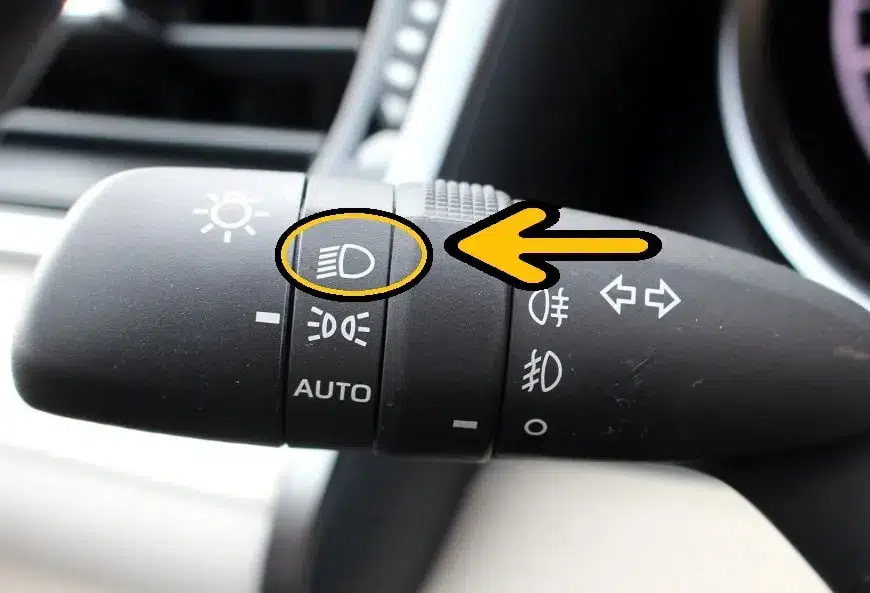
Modern automobiles are marvels of engineering, packed with advanced safety systems, computerized dashboard displays, and ergonomic controls designed to make driving seamless. Yet, despite spending thousands of hours behind the wheel, many drivers remain completely unaware of the hidden features, symbols, and secondary functions built into everyday components. One of the most frequently overlooked areas of the vehicle interior is the multi-function steering column stalk—specifically, the headlight and indicator lever.
While most motorists understand the basic functions of turning on headlights, high beams, and turn signals, vehicle manufacturers often integrate clever secondary controls, safety overrides, and convenience features directly into the headlight stalk. Understanding these hidden features can improve your nighttime visibility, enhance road safety, and help you get the most out of your vehicle’s design.
In this comprehensive guide, we will explore the hidden secrets of the car headlight lever, decode dashboard symbols, examine vehicle electrical systems, and provide practical tips for optimal automotive maintenance.
The Anatomy of the Steering Column Headlight Lever
To understand the hidden capabilities of your car’s headlight control stalk, it is helpful to examine how modern automotive switches are engineered. Located typically on the left side of the steering wheel (in standard left-hand drive vehicles), the headlight lever combines multiple electrical circuits into a single ergonomic unit.
Core Functions vs. Secondary Controls
- Primary Switches: Controlling low beams, parking lights, high beams, and directional turn signals.
- Secondary Hidden Features: Fog light activation rings, parking courtesy lights, lane-change flick pulses, and automatic light sensor sensitivity adjustments.
Many drivers use only the basic settings, ignoring the subtle notches, rotary rings, and pull-back mechanisms that activate specialized lighting modes.
Decoding Common and Hidden Headlight Symbols
The symbols printed on the headlight lever serve as universal automotive language, yet many car owners never learn what each icon truly represents.
                      +---------------------------------------+
                      |       HEADLIGHT LEVER SYMBOLS         |
                      +---------------------------------------+
                                          |
         +--------------------------------+--------------------------------+
         |                                |                                |
         v                                v                                v
   [ LOW BEAMS ]                  [ PARKING LIGHTS ]              [ FRONT / REAR FOG ]
+---------------------+        +---------------------+        +---------------------+
| • Slanted light rays|        | • Facing outward    |        | • Wavy lines crossed|
| • Standard night use|        | • Side marker glow  |        | • Low visibility    |
| • Prevents glare    |        | • Low power draw    |        | • Heavy fog or rain |
+---------------------+        +---------------------+        +---------------------+
Understanding the Beam Icons
- Low Beams (Dipped Headlights): Represented by light rays pointing downward toward the road surface, ensuring you illuminate the path ahead without blinding oncoming traffic.
- Parking Lights (Sidelights): Represented by two small illuminated symbols facing away from each other, designed to keep your vehicle visible when parked on narrow unlit streets.
- Fog Light Rings: Represented by wavy light lines intersected by a vertical wavy line, controlling front and rear fog lamps for hazardous weather conditions.
Financial, Safety, and Legal Considerations of Proper Lighting
Proper vehicle lighting is not merely a matter of convenience; it is a critical legal and safety requirement governed by strict traffic regulations.
Legal Compliance and Traffic Safety
Driving with malfunctioning headlights, incorrect beam adjustments, or failing to use lights during low-visibility conditions can result in traffic fines, safety citations, or increased liability in the event of an accident. Furthermore, understanding how to use high beams and fog lights correctly prevents blinding fellow motorists, reducing the risk of nighttime collisions.
Insurance and Maintenance Costs
Maintaining your vehicle’s lighting and electrical systems prevents costly dashboard electrical failures. Regular inspection of fuses, relay switches, and bulb housings protects your investment and ensures peace of mind during long night drives.
Practical Tips for Mastering Your Vehicle’s Lighting System
Maximizing your car’s lighting controls ensures safety in all driving environments.
+-----------------------------------------------------------------------+
|                    VEHICLE LIGHTING BEST PRACTICES                    |
+-----------------------------------------------------------------------+
| STEP 1 : Familiarize yourself with all notch positions on the stalk   |
| STEP 2 : Test fog light rings and automatic sensor sensitivity        |
| STEP 3 : Check high beam engagement and temporary flash-to-pass pull  |
| STEP 4 : Inspect headlight lens clarity and bulb brightness regularly |
+-----------------------------------------------------------------------+
1. Utilize the “Flash-to-Pass” Feature
Pulling the headlight lever gently toward you (without clicking it fully into high-beam mode) flashes your high beams momentarily. This is useful for signaling other drivers under specific road conditions or warning oncoming traffic of road hazards.
2. Understand Auto-Headlight Sensors
Many modern cars feature an “AUTO” setting on the rotary ring. This relies on a windshield sensor to detect ambient daylight levels, automatically switching between daytime running lights and full low beams as you enter tunnels or dusk falls.
Fascinating Facts About Automotive Lighting Evolution
- From Acetylene to LEDs: Early 20th-century automobiles used acetylene or oil lamps for illumination before transitioning to electric incandescent bulbs in the 1900s.
- The Invention of Turning Headlights: Modern adaptive headlights swivel dynamically as you turn the steering wheel, illuminating blind spots around dark corners.
- Daytime Running Lights (DRLs): Introduced widely to improve vehicle visibility during daylight hours, DRLs have significantly reduced daytime multi-car collision rates globally.
- Laser and Matrix LED Technology: Premium modern vehicles utilize computer-controlled matrix LED arrays that selectively dim individual light diodes to illuminate surroundings while blanking out oncoming cars.
Conclusion
The headlight lever on your car’s steering column is far more than a simple on-and-off switch. By taking the time to explore its hidden notches, rotary rings, and secondary signaling functions, you can unlock greater control over your vehicle’s lighting systems. Whether navigating heavy fog, country roads, or nighttime city streets, mastering these features enhances your driving safety, protects your automotive investment, and ensures you are fully prepared for any journey.
Frequently Asked Questions (FAQ)
What does the “AUTO” setting on my headlight lever actually do?
The AUTO setting uses a light sensor (usually mounted near the rearview mirror) to detect ambient outdoor lighting. It automatically turns your low beams on when it gets dark or when you enter a tunnel, and switches them off in daylight.
How do I use the “flash-to-pass” feature?
Gently pull the headlight lever toward the steering wheel and release it without pushing it forward into locked high-beam mode. This flashes your high beams momentarily to signal other road users.
When should I use fog lights instead of regular headlights?
Fog lights are designed to cut through dense fog, heavy rain, or snow by casting a wide, low beam under the moisture layer. They should only be used in low-visibility conditions to avoid blinding other drivers.
Why do my headlights stay on for a minute after I turn off the car?
This is a convenience feature known as “Guide-me-home” or follow-me-home lighting. It keeps your headlights illuminated briefly after locking the vehicle, helping you safely walk to your front door in the dark.
Can incorrect headlight usage result in a traffic fine?
Yes. Driving without headlights at night, failing to dim high beams for oncoming traffic, or misusing fog lights in clear weather can violate local traffic laws and result in citations.
