
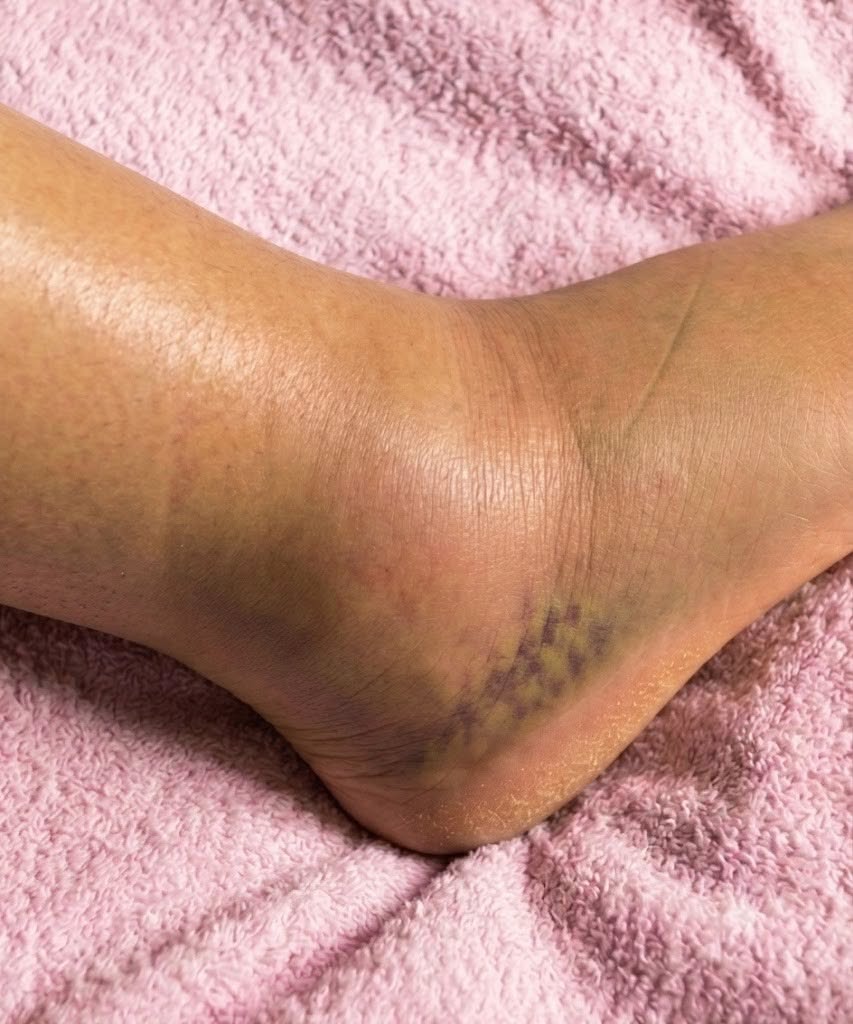
Ankle injuries are among the most common musculoskeletal conditions evaluated by healthcare professionals worldwide. Whether caused by a sudden misstep during a weekend jog, an unexpected fall on uneven terrain, or an athletic contact injury, soft tissue damage around the ankle joint can happen in an instant. Recognizing the signs of ligament sprains, tendon strain, or underlying bone fractures is crucial for securing timely medical evaluation, preventing chronic instability, and restoring normal mobility.
Navigating the recovery process requires a solid understanding of clinical diagnostics, therapeutic modalities, personal health management, and even financial or insurance considerations. In this comprehensive guide, we will explore the anatomy of ankle injuries, effective home care strategies, modern medical interventions, and long-term joint health practices.
Understanding Ankle Anatomy and Common Injury Mechanisms
The ankle joint is a complex hinge mechanism where the leg bones—the tibia and fibula—meet the talus bone in the foot. A network of strong elastic ligaments stabilizes these bones, preventing excessive rolling, twisting, or sliding movements.
Types of Ankle Injuries
- Inversion Ankle Sprain: Occurs when the foot rolls inward, stretching or tearing the lateral ligaments on the outer side of the ankle. This is the most frequent type of ankle injury, often causing swelling and localized bruising.
- Eversion Ankle Sprain: Occurs when the foot twists outward, damaging the medial ligaments (deltoid ligament complex) on the inner side of the ankle.
- High Ankle Sprain: Involves damage to the syndesmotic ligaments connecting the tibia and fibula above the ankle joint, frequently requiring longer recovery periods.
- Ankle Fractures: Severe trauma or violent twisting can cause partial or complete breaks in the fibula or tibia, which often present with symptoms similar to severe sprains.
Distinguishing between a severe sprain and a fracture often requires professional clinical assessment, including specialized diagnostic imaging such as X-rays or magnetic resonance imaging (MRI).
Medical Assessment, Insurance, and Legal Aspects of Injury Management
When dealing with moderate to severe physical injuries, navigating healthcare systems and understanding administrative or financial coverage is just as important as the physical recovery itself.
Key Factors in Healthcare Navigation
- Diagnostic Evaluation: Prompt visits to urgent care facilities, orthopedic specialists, or physical therapy clinics ensure accurate diagnosis and appropriate bracing or casting.
- Health Insurance Coverage: Understanding policy deductibles, specialist copays, and physical therapy session allowances helps patients avoid unexpected medical bills during rehabilitation.
- Personal Injury and Liability Claims: In situations where injuries result from hazardous premises, workplace accidents, or vehicular incidents, consulting legal counsel or attorney services ensures that medical expenses and lost wages are properly addressed under personal injury law.
Being proactive with healthcare insurance claims and legal documentation protects long-term financial security while you focus on physical recovery.
Practical Tips for Immediate Treatment and Home Care
For initial management of mild to moderate ankle sprains, adhering to evidence-based protocols can significantly reduce swelling and pain during the critical early stages:
- Apply Rest and Immobilization: Avoid placing full body weight on the injured ankle immediately following trauma. Utilize crutches or supportive braces if necessary.
- Utilize Cold Therapy: Apply ice wrapped in a damp towel to the affected area for 15 to 20 minutes every few hours to control swelling and localized inflammation.
- Implement Compression: Lightly wrap the joint with an elastic compression bandage to stabilize soft tissue and limit fluid accumulation. Avoid wrapping too tightly to preserve proper circulation.
- Elevate Above Heart Level: Rest the leg on elevated pillows while lying down to assist lymphatic drainage and ease swelling.
- Gradual Mobilization: Once acute pain subsides under the guidance of a physician or physical therapist, gently introduce range-of-motion exercises to prevent joint stiffness.
Interesting Facts About Ankle Biomechanics and Health
- High Impact Loads: During running or jumping activities, the ankle joint can absorb forces equivalent to three to eight times a person’s total body weight.
- Proprioception Loss: Ligaments contain sensory receptors that inform the brain about joint position. Following a sprain, these receptors need balance retraining to reduce the risk of recurring injuries.
- Evolutionary Engineering: The human foot and ankle complex contains 26 bones, 33 joints, and over 100 muscles, tendons, and ligaments working together in precise coordination.
- Global Prevalence: In sports medicine, lateral ankle sprains account for up to 40 percent of all athletic injuries, making joint stability exercises a primary focus for conditioning programs.
Conclusion
Ankle health is fundamental to maintaining an active, independent lifestyle. While common sprains often resolve with proper rest, ice, compression, and elevation, ignoring lingering pain or severe swelling can lead to chronic joint instability and long-term discomfort. By seeking appropriate medical diagnostics, utilizing insurance resources efficiently, and following structured physical therapy regimens, individuals can safely restore full mobility and safeguard their long-term orthopedic health.
FAQ Section
How do I know if an ankle injury is a sprain or a fracture?
Severe pain, inability to bear weight, significant immediate swelling, deep bruising, or visible deformity are strong indicators of a potential fracture. A definitive diagnosis requires physical examination and diagnostic X-rays by a qualified healthcare provider.
How long does a typical ankle sprain take to heal?
Mild (Grade 1) sprains usually recover within 1 to 3 weeks with conservative home care, while severe (Grade 3) sprains involving complete ligament tears may take several months and require structured rehabilitation.
Should I use a brace or an elastic bandage after an ankle injury?
A brace or compression wrap provides temporary support and helps control swelling during the acute phase. Consult a medical practitioner or physical therapist to determine the ideal support device for your specific recovery stage.
When should I start physical therapy for an ankle sprain?
Guided physical therapy can often begin within a week of injury once initial acute pain and swelling subside, focusing on restoring range of motion, strength, and balance control.
