
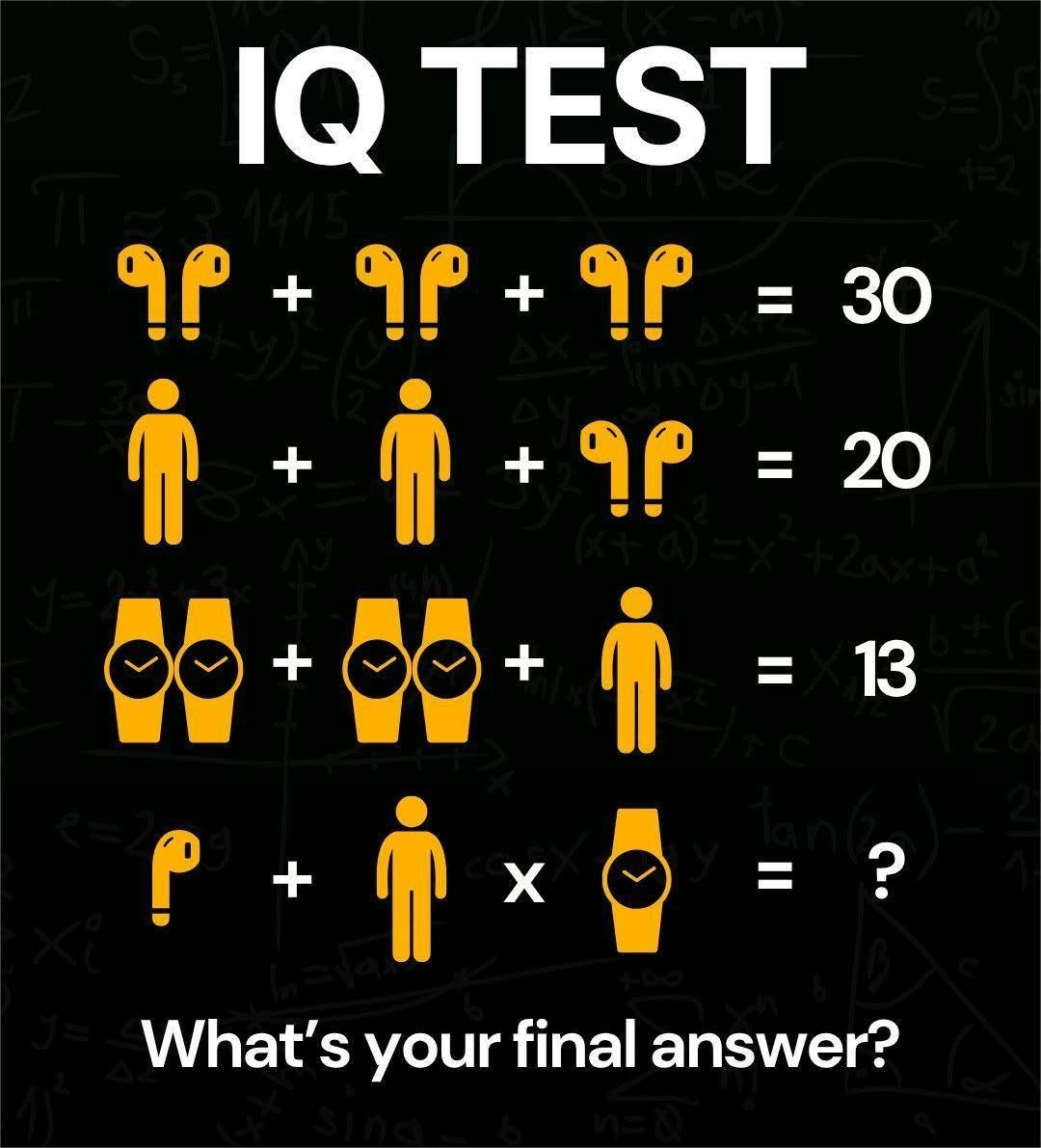
Math puzzles, visual brain teasers, and logic riddles have long been popular forms of entertainment across social media platforms. From algebraic picture equations to complex spatial tests, these challenges test our pattern recognition, attention to detail, and problem-solving skills. Exploring the logic behind math-based riddles offers a wonderful way to keep your mind sharp while enjoying a bit of friendly competition with friends.
In this comprehensive guide, we will explore the appeal of mathematical brain teasers, financial and lifestyle considerations for lifelong learning, practical tips for solving puzzles, and fascinating insights into cognitive enhancement.
The Mechanics and Psychology of Math Puzzles
Why do picture-based math equations capture so much attention online? They combine basic arithmetic with visual observation, requiring solvers to pay close attention to subtle details.
Key Factors Behind Puzzle Popularity
- Attention to Detail: Many viral puzzles feature slight modifications in the final equation—such as changing quantities or omitted items—to test whether solvers are paying close attention.
- Cognitive Stimulation: Working through logic and arithmetic exercises stimulates mental agility, concentration, and analytical thinking.
- Interactive Engagement: Social media users love comparing answers, debating solutions, and challenging friends in the comments section.
Understanding these structural elements helps solvers approach brain teasers methodically rather than rushing to a quick conclusion.
Financial, Lifestyle, and Cognitive Wellness Considerations
While solving online puzzles is a casual form of entertainment, maintaining lifelong cognitive health involves a balanced approach to mental and physical well-being.
Essential Wellness and Lifestyle Factors
- Lifelong Learning: Engaging in diverse mental challenges—such as puzzles, Sudoku, and strategy games—supports cognitive resilience and mental sharpness.
- Stress Relief: Taking short, playful mental breaks during the day provides a healthy distraction and reduces daily work pressure.
- Balanced Routine: Combining mental stimulation with physical activity, proper nutrition, and restful sleep creates a strong foundation for overall health.
Prioritizing balanced lifestyle habits supports both mental vitality and long-term well-being.
Practical Tips for Solving Visual Math Puzzles
To improve your puzzle-solving accuracy and catch tricky hidden details, consider incorporating these practical tips:
- Examine Every Element: Look closely at each icon in the final equation to check for missing items, different numbers of objects, or altered symbols.
- Solve Step-by-Step: Break down multi-line puzzles line by line, determining the value of each individual component before tackling the final equation.
- Follow Order of Operations: Remember standard mathematical rules (such as performing multiplication before addition) when evaluating the final line.
- Double-Check Your Work: Revisit your calculations to ensure no simple arithmetic or observation errors were made.
- Share and Discuss: Compare your step-by-step logic with friends or online communities to see different perspectives on solving the puzzle.
Interesting Facts About Brain Teasers and Logic
- Ancient Roots: Mathematical puzzles and recreational riddles date back thousands of years, appearing in ancient Egyptian, Greek, and Chinese historical texts.
- The Brain’s Pattern Recognition: Human brains are naturally wired to seek patterns, which is why visual puzzles feel both challenging and deeply satisfying to solve.
- Cognitive Reserve: Neurological studies suggest that keeping the mind active with regular problem-solving activities can help build cognitive reserve over time.
- Viral Internet Phenomenon: Modern social media platforms have transformed classic math riddles into global sensations, connecting millions of puzzle enthusiasts instantly.
Conclusion
Mathematical brain teasers offer a fun and engaging way to test your analytical skills, attention to detail, and mental agility. By carefully examining visual clues, following mathematical rules, and embracing lifelong learning, you can enjoy these puzzles while keeping your mind sharp. True cognitive wellness thrives on curiosity, playful challenges, and continuous mental engagement.
FAQ Section
How do you solve picture-based math equations?
You solve them by determining the numerical value of each icon from the initial equations and then applying those values—while paying close attention to any visual changes—to the final equation.
Why are order of operations important in math puzzles?
Standard mathematical rules, such as performing multiplication before addition, ensure that everyone arrives at the exact same correct solution.
Can brain teasers help improve cognitive function?
Yes, regular engagement in logic puzzles, math challenges, and brain teasers helps stimulate mental flexibility, focus, and problem-solving skills.
Why do some people miss the correct answer on viral math puzzles?
Solvers often rush through the final equation without noticing subtle visual changes, such as a reduced number of items attached to an icon.
