
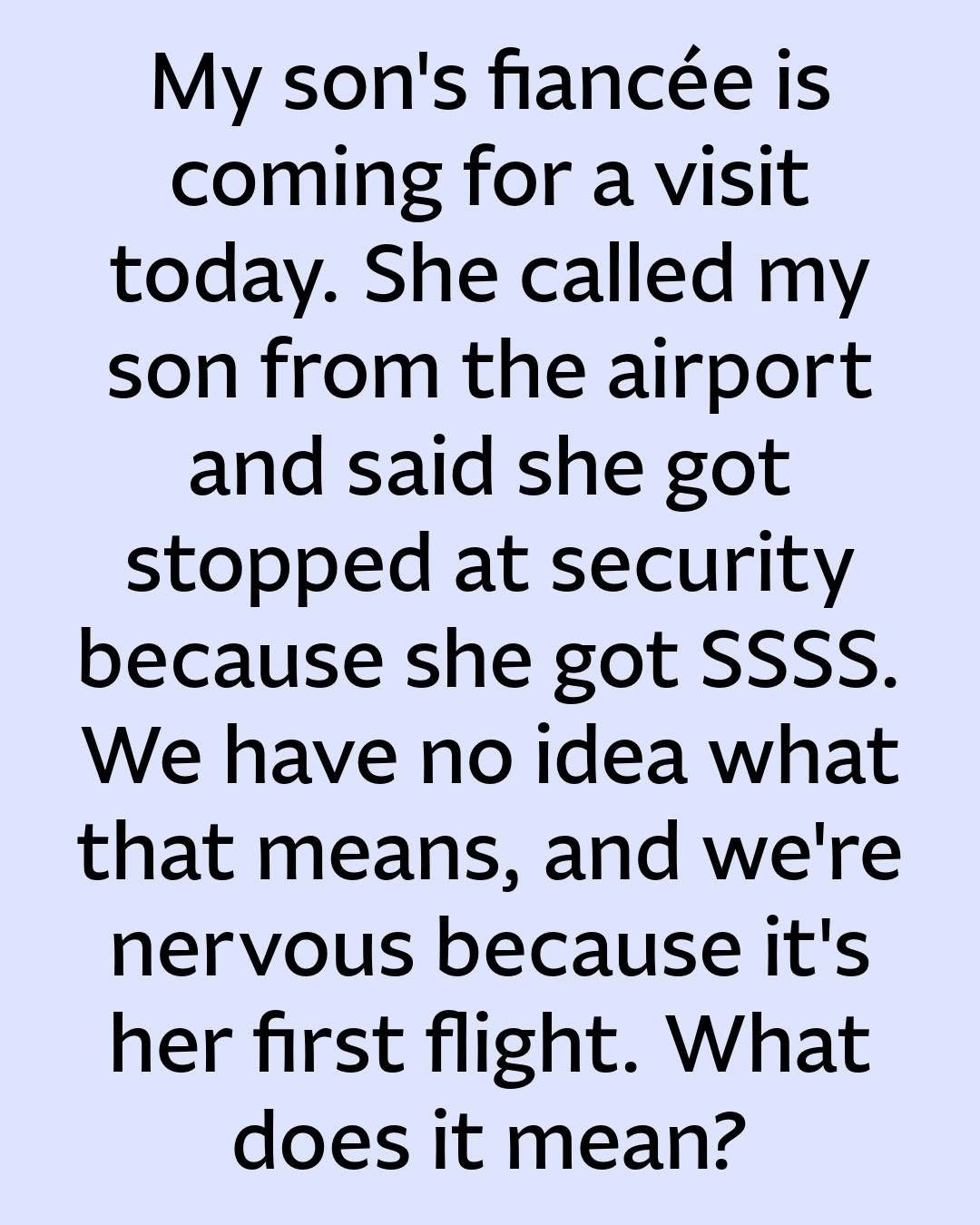
Air travel involves navigating a wide array of security protocols, airport regulations, and ticketing procedures. For first-time flyers and seasoned travelers alike, encountering unexpected security checks or mysterious codes on a boarding pass can be stressful. Exploring how airport security systems operate helps travelers understand these procedures and travel with confidence.
In this comprehensive guide, we will explore the meaning behind security codes, financial and travel insurance considerations, practical tips for airport navigation, and fascinating insights into aviation security.
Understanding Airport Security Designations and Codes
When checking in for a flight, travelers occasionally encounter unique designations stamped or printed on their boarding passes that indicate enhanced screening requirements.
Key Aspects of Aviation Security Designations
- Secondary Security Screening Selection (SSSS): This designation stands for Secondary Security Screening Selection, indicating that a passenger has been selected for additional security screening before boarding.
- Random Selection and Watchlists: The SSSS designation can be triggered randomly by computer algorithms or due to specific travel patterns, one-way bookings, or government watchlist criteria.
- Screening Procedures: Passengers with this code typically undergo enhanced pat-downs, baggage inspections, and explosive trace detection at the security checkpoint.
Understanding why these protocols exist helps alleviate anxiety and ensures a smooth, cooperative airport experience.
Financial, Insurance, and Travel Planning Considerations
Preparing for domestic or international flights involves managing ticket bookings, travel insurance, and logistical planning.
Essential Travel and Financial Factors
- Comprehensive Travel Insurance: Investing in travel insurance policies protects against unexpected flight delays, cancellations, and missed connections.
- Early Airport Arrival: Allowing extra time before departure ensures travelers can comfortably navigate check-in, standard security, and any secondary screening without rushing.
- Documentation Readiness: Keeping identification documents, boarding passes, and travel itineraries easily accessible streamlines the airport checkpoint process.
Proactive travel planning safeguards both your schedule and your peace of mind.
Practical Tips for First-Time Flyers and Airport Navigation
To make your first flight or your next air travel journey as stress-free as possible, consider incorporating these practical tips:
- Arrive Early: Get to the airport at least two hours before domestic flights (and three hours for international travel) to handle lines and security smoothly.
- Follow Security Guidelines: Listen closely to TSA or airport security personnel instructions, especially if selected for additional screening.
- Keep Electronics Accessible: Pack laptops, tablets, and liquids in easily accessible compartments to speed up checkpoint screening.
- Stay Calm and Cooperative: If you receive an SSSS code, remain patient and cooperative with security agents, as it is a routine administrative and safety procedure.
- Double-Check Boarding Passes: Review your boarding pass at the check-in counter to see if any special codes or instructions are printed on it.
Interesting Facts About Aviation Security
- Global Standards: Aviation security protocols are coordinated globally by international bodies like the International Civil Aviation Organization (ICAO) to ensure passenger safety.
- The Evolution of Screening: Modern airport security has evolved significantly over the decades, incorporating advanced imaging technology and automated explosive detection systems.
- Randomized Algorithms: Security selection systems use complex, randomized algorithms to ensure unpredictable screening patterns across all flights.
- The Importance of Compliance: Full cooperation with security staff is mandatory for all passengers and helps maintain the highest standards of safety in commercial aviation.
Conclusion
Air travel security protocols like the SSSS designation can feel intimidating, especially for first-time flyers, but they are a standard part of maintaining aviation safety. By arriving early, staying prepared, and cooperating with security personnel, travelers can navigate any airport procedure with ease. True travel confidence comes from awareness, preparation, and a calm approach to the journey ahead.
FAQ Section
What does “SSSS” on a boarding pass mean?
SSSS stands for Secondary Security Screening Selection, which means the passenger has been chosen for mandatory additional security screening before boarding their flight.
Why did someone get selected for SSSS?
Selections can happen completely at random by computer algorithms, or they may be triggered by booking details such as last-minute one-way tickets, international destinations, or security watchlist parameters.
What happens during secondary security screening?
Passengers with an SSSS code typically undergo a more thorough pat-down, physical inspection of carry-on luggage, and swabbing for explosive trace residues.
Does getting SSSS mean someone is in trouble?
No, receiving an SSSS designation does not mean you are in trouble; it is a routine security measure mandated by aviation authorities
