
Introduction
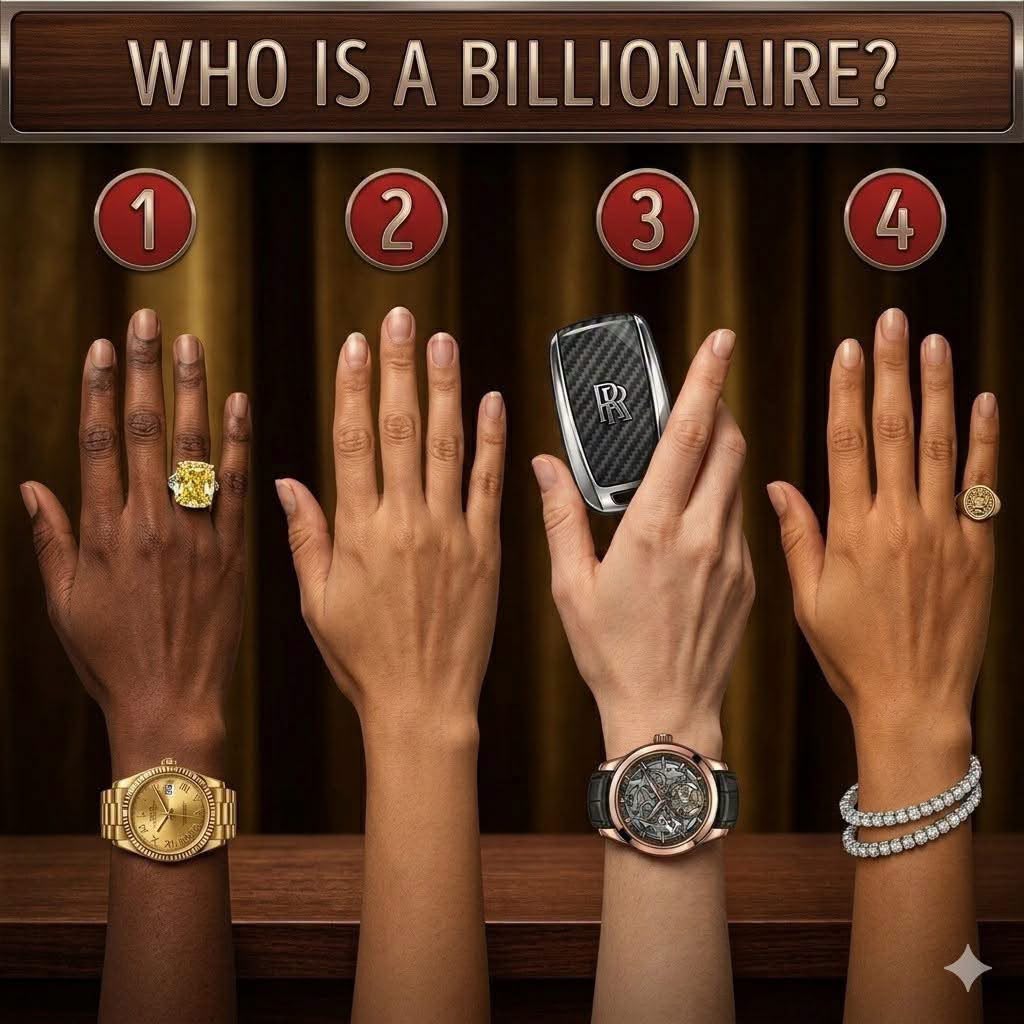
In the digital era, visual riddles, brain teasers, and personality quizzes dominate social media feeds, capturing the attention of millions. These puzzles are designed not only to test our powers of observation and deduction but also to spark engaging debates in the comments section. A prime example is the viral “Who Is a Billionaire?” puzzle, which presents four different hands adorned with various luxury items—ranging from high-end watches and diamond rings to exotic car key fobs.
While these social media brain teasers are created purely for fun and entertainment, they invite us to examine our perceptions of luxury, wealth symbols, and material status in modern society. In this comprehensive article, we will explore the elements of the puzzle, analyze the psychology of wealth display, discuss how ultra-high-net-worth individuals actually manage their finances, and provide practical tips on building sustainable financial security.
Analyzing the Viral Puzzle: Clues in Luxury Display
The image presents four distinct hands, each featuring different markers of affluence. Let’s break down the clues:
- Hand 1: Features a heavy gold luxury watch paired with a large, canary-yellow diamond ring. This represents classic, overt displays of high-end jewelry and prestige timepieces.
- Hand 2: Appears entirely unadorned, lacking any rings, watches, or visible jewelry.
- Hand 3: Displays a luxury skeleton watch paired with a high-end luxury vehicle key fob (specifically bearing the insignia of a Rolls-Royce). This highlights extreme automotive luxury and intricate horology.
- Hand 4: Showcases a signet ring paired with layered diamond tennis bracelets. This represents traditional elegance and fine jewelry coordination.
In the context of viral riddles, puzzles like this often play on subverting expectations—reminding viewers that true wealth is not always loud or heavily advertised.
The Psychology of Wealth: Old Money vs. New Money
When people ponder questions about who qualifies as a billionaire, societal stereotypes often color their assumptions. Sociologists and financial analysts frequently divide wealth presentation into distinct categories:
1. Overt Display (Ostentatious Wealth)
Historically and culturally, individuals who have recently acquired substantial wealth (“new money”) sometimes gravitate toward visible luxury goods—such as designer logos, supercars, and massive gemstone jewelry—to signal their success. These items offer immediate social recognition.
2. Quiet Luxury (Understated Wealth)
Conversely, multi-generational wealth (“old money”) or ultra-high-net-worth individuals often practice discretion. Billionaires frequently prioritize privacy, comfort, and high-quality experiences over flashy branding. In many cases, the wealthiest individuals wear understated clothing or simple accessories that the average observer might not recognize as expensive.
Financial Literacy and Wealth Building Realities
While spotting luxury items in an online puzzle is entertaining, achieving true financial independence requires disciplined planning, investment strategy, and economic education.
Key Principles of Long-Term Wealth Generation:
- Strategic Investment: Rather than spending capital exclusively on depreciating luxury assets like cars or designer jewelry, financially successful individuals invest in diversified portfolios, real estate, stocks, and business ventures.
- Compound Interest: Albert Einstein reportedly called compound interest the eighth wonder of the world. Consistently saving and reinvesting earnings over decades creates exponential growth.
- Risk Management: Protecting assets through comprehensive insurance policies, legal planning, and estate structuring ensures that accumulated wealth survives across generations.
Practical Tips for Personal Financial Health
Whether you aspire to build substantial investment portfolios or simply want to achieve peace of mind, adopting sound financial habits is essential:
- Automate Savings: Set up automatic transfers into retirement accounts or investment funds each month to ensure consistent growth without relying solely on willpower.
- Prioritize High-Interest Debt Reduction: Eliminate high-interest credit card debt before deploying capital into speculative investments.
- Consult Financial Professionals: Work with certified financial planners, tax attorneys, or investment advisors to tailor wealth-building strategies to your specific life stage and goals.
Interesting Facts About Global Wealth and Billionaires
- The Rise of Self-Made Billionaires: The vast majority of modern billionaires are self-made entrepreneurs who built global businesses in technology, finance, retail, and manufacturing rather than inheriting their fortunes.
- Philanthropic Commitments: Many of the world’s wealthiest individuals pledge the majority of their fortunes to charitable foundations through initiatives like the Giving Pledge, focusing on global health, education, and climate change.
- The Evolution of Luxury: The global luxury goods market has shifted dramatically toward experiential luxury—such as private travel, wellness retreats, and exclusive services—over physical status symbols.
Conclusion
Visual puzzles like “Who Is a Billionaire?” provide a delightful mental escape, challenging us to look closer at details while sparking lively online conversations. Beyond the fun of guessing which hand belongs to an ultra-wealthy individual, these images remind us that true financial success is built on strategy, discipline, and long-term planning rather than external flashiness. By focusing on sound financial education, smart investing, and sustainable habits, anyone can work toward building a secure and prosperous future.
FAQ Section
1. Which hand is officially the “billionaire” in the puzzle? Viral riddles of this nature are intentionally designed to be ambiguous to encourage debate in the comments section. There is no single “correct” biological answer; instead, it invites viewers to debate whether a luxury car key, a massive diamond ring, or an unadorned hand represents true wealth.
2. Do actual billionaires drive cars like Rolls-Royce? Yes, ultra-high-net-worth individuals frequently purchase ultra-luxury vehicles like Rolls-Royce, Bentley, or custom supercars, though many also maintain everyday vehicles for privacy.
3. Why do some extremely wealthy people dress simply? Many successful entrepreneurs, such as tech founders, adopt minimalist wardrobes or understated styles to reduce decision fatigue, prioritize comfort, and avoid unwanted attention.
