
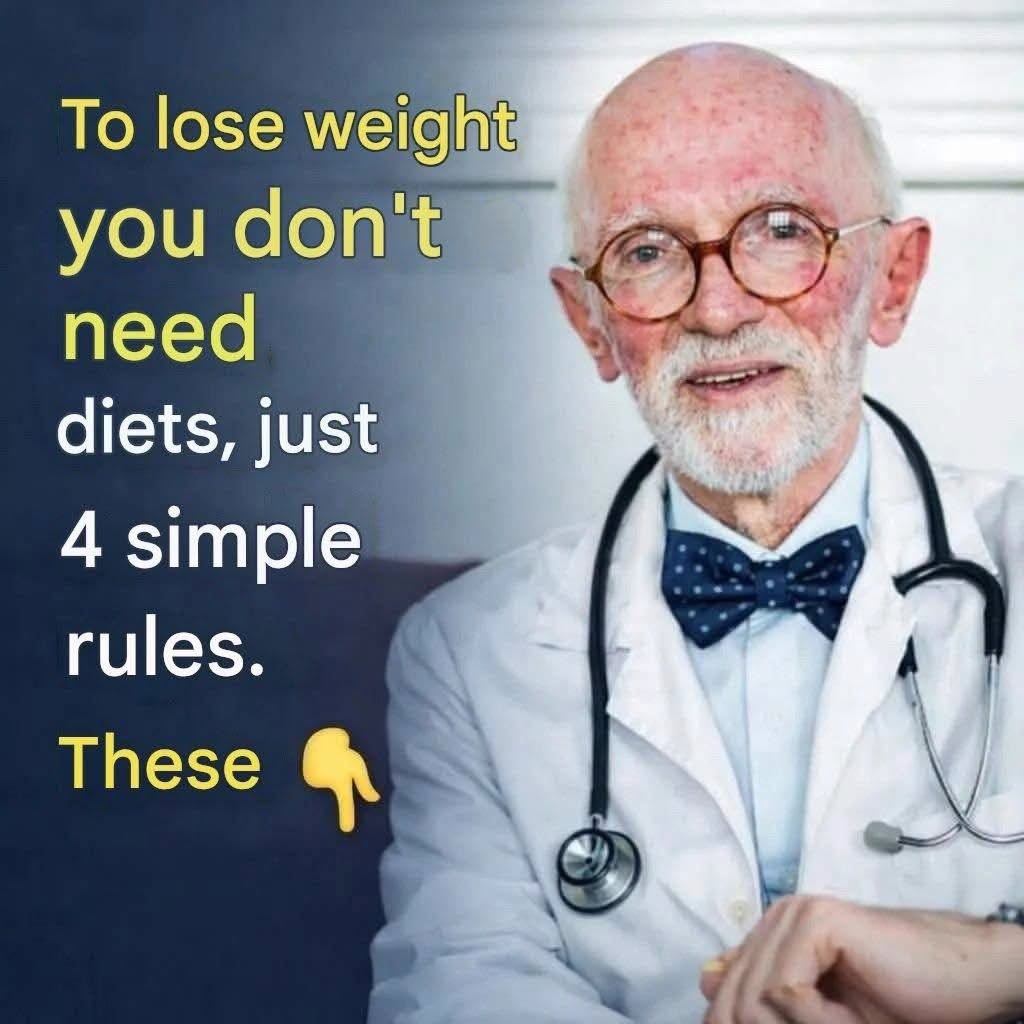
Managing body weight effectively is often portrayed as a constant struggle involving restrictive meal plans, grueling workout regimes, and endless calorie counting. However, long-term weight management is rarely achieved through short-term, extreme diets. Modern health and wellness research consistently shows that sustainable weight loss comes down to fundamental behavioral shifts rather than liquid cleanses or radical food eliminations.
By shifting focus away from fad diets and toward consistent, daily lifestyle habits, individuals can achieve healthy fat loss while supporting overall energy, mental clarity, and longevity. Learning how to manage body weight without restrictive dieting can also help lower long-term health risks, ultimately reducing healthcare expenditures and life insurance costs over time.
Why Traditional Restrictive Diets Fail
Extreme fad diets typically rely on severe calorie restriction or the complete removal of essential food groups. While these methods may yield rapid initial weight loss on the scale, much of that early drop is water weight and lean muscle mass rather than targeted body fat.
Severely restricting intake triggers biological stress responses. Your metabolic rate slows down to conserve energy, and hunger hormones like ghrelin increase significantly, leading to intense cravings. Once the strict diet ends, most people regain the lost weight—and often additional pounds—leading to a frustrating cycle known as yo-yo dieting. Focusing on basic metabolic principles avoids this cycle entirely.
The 4 Golden Rules for Weight Loss Without Diets
Achieving steady fat loss without strict dieting requires implementing four foundational, science-backed lifestyle principles that build sustainable wellness over time.
Rule 1: Prioritize Protein and Fiber at Every Meal
Instead of focusing on what to remove from your plate, focus on what to add. Protein and dietary fiber are the two most crucial nutrients for regulating hunger and stabilizing blood sugar. Protein stimulates the release of satiety hormones while requiring more energy for your body to digest. Meanwhile, soluble and insoluble fiber expand in the stomach and slow digestion, keeping you full for hours.
- High-Quality Protein Sources: Eggs, lean poultry, fish, Greek yogurt, tofu, and legumes.
- Fiber-Rich Foods: Non-starchy vegetables, berries, chia seeds, oats, and whole grains.
Rule 2: Master Hydration and Eliminate Liquid Calories
Thirst is frequently mistaken for hunger, leading to unnecessary snacking between meals. Drinking adequate water throughout the day supports proper cellular function, improves digestion, and enhances fat metabolism. Additionally, liquid calories found in sodas, sweetened coffees, energy drinks, and alcohol deliver high amounts of sugar without providing any feeling of fullness. Swapping these for water, herbal tea, or black coffee can effortlessly eliminate hundreds of surplus calories daily.
Rule 3: Focus on NEAT (Non-Exercise Activity Thermogenesis)
Structured workouts at the gym represent only a small fraction of the calories you burn each day. Non-Exercise Activity Thermogenesis (NEAT) accounts for all the energy expended through daily movements like walking, standing, taking the stairs, cleaning, and gardening. Increasing your baseline daily movement yields a far greater impact on total daily energy expenditure than a 30-minute workout followed by hours of sedentary sitting.
- Ways to Increase NEAT: Take short walking breaks during work, use a standing desk, park farther away from store entrances, or take the stairs instead of the elevator.
Rule 4: Protect Your Sleep Quality and Stress Levels
Sleep deprivation and chronic psychological stress are two of the most significant, yet overlooked, drivers of weight gain. When you are chronically sleep-deprived, your body produces elevated levels of cortisol—a stress hormone linked to increased abdominal fat storage and heightened cravings for high-sugar, high-calorie comfort foods. Aiming for 7 to 9 hours of restful sleep nightly supports hormonal equilibrium, enabling natural fat oxidation and appetite control.
Financial and Health Benefits of Sustainable Lifestyle Changes
Adopting a habit-based approach to weight management yields benefits that extend far beyond physical appearance. Maintaining a healthy weight significantly reduces the risk of developing costly chronic conditions such as type 2 diabetes, cardiovascular disease, hypertension, and joint degeneration.
From a financial perspective, proactive wellness habits lower personal medical spending, decrease reliance on expensive prescription drugs, and lower rates for health insurance, disability insurance, and life insurance policies. Investing time in basic wellness principles today yields substantial long-term savings for your personal finances and retirement planning.
Practical Daily Habits to Accelerate Results
- Eat Without Distractions: Turn off screens during meals to practice mindful eating, which allows your brain to register fullness cues accurately.
- Use Smaller Plates: Plate size naturally influences portion control without creating feelings of deprivation.
- Walk 10–15 Minutes After Meals: A brief post-meal walk aids digestion and helps stabilize postprandial blood glucose spikes.
- Keep Whole Foods Visible: Store fresh fruit and healthy snacks on your kitchen counter, while keeping processed foods out of sight.
- Maintain a Consistent Sleep Schedule: Go to bed and wake up at the same times every day to align your circadian rhythm and optimize metabolic hormones.
Fascinating Facts About Metabolism and Weight Loss
- Muscle Burns More Calories at Rest: Lean muscle tissue burns approximately three times more calories per pound at rest than body fat, making strength preservation vital for metabolic speed.
- The Thermic Effect of Food: Your body expends roughly 20% to 30% of the calories consumed from protein just digesting and processing it, compared to only 5% to 10% for carbohydrates and 0% to 3% for fats.
- Sleep Restores Fat Loss Capability: Studies show that when individuals diet while sleep-deprived, up to 70% of the weight they lose comes from lean muscle mass rather than fat.
Conclusion
Sustainable weight management does not require restrictive diets, liquid cleanses, or unmaintainable routines. By implementing these four simple rules—prioritizing protein and fiber, staying hydrated, maximizing daily movement, and optimizing sleep—you can cultivate an environment where fat loss occurs naturally and sustainably.
Focusing on small, consistent behavioral adjustments allows you to build a healthy lifestyle that preserves lean tissue, protects your long-term medical health, and safeguards your financial future. Start by integrating one or two rules today, and build a lasting foundation for lifelong vitality.
Frequently Asked Questions (FAQ)
Can you really lose weight without cutting carbohydrates?
Yes. Weight loss occurs when your body experiences a consistent energy deficit over time. Carbohydrates are an essential energy source; choosing complex carbs like vegetables, beans, and whole grains keeps you satiated while supporting healthy metabolic function.
How much water should I drink daily for fat loss support?
While individual hydration needs vary based on activity level and climate, a general rule of thumb is to aim for roughly 8 to 10 glasses (about 64 to 80 ounces) of water daily.
Is walking enough activity to lose weight without intense exercise?
Yes. Consistent daily walking significantly increases your total daily energy expenditure (NEAT) without overtaxing your central nervous system or spiking appetite hormones, making it one of the most effective tools for sustainable fat loss.
