
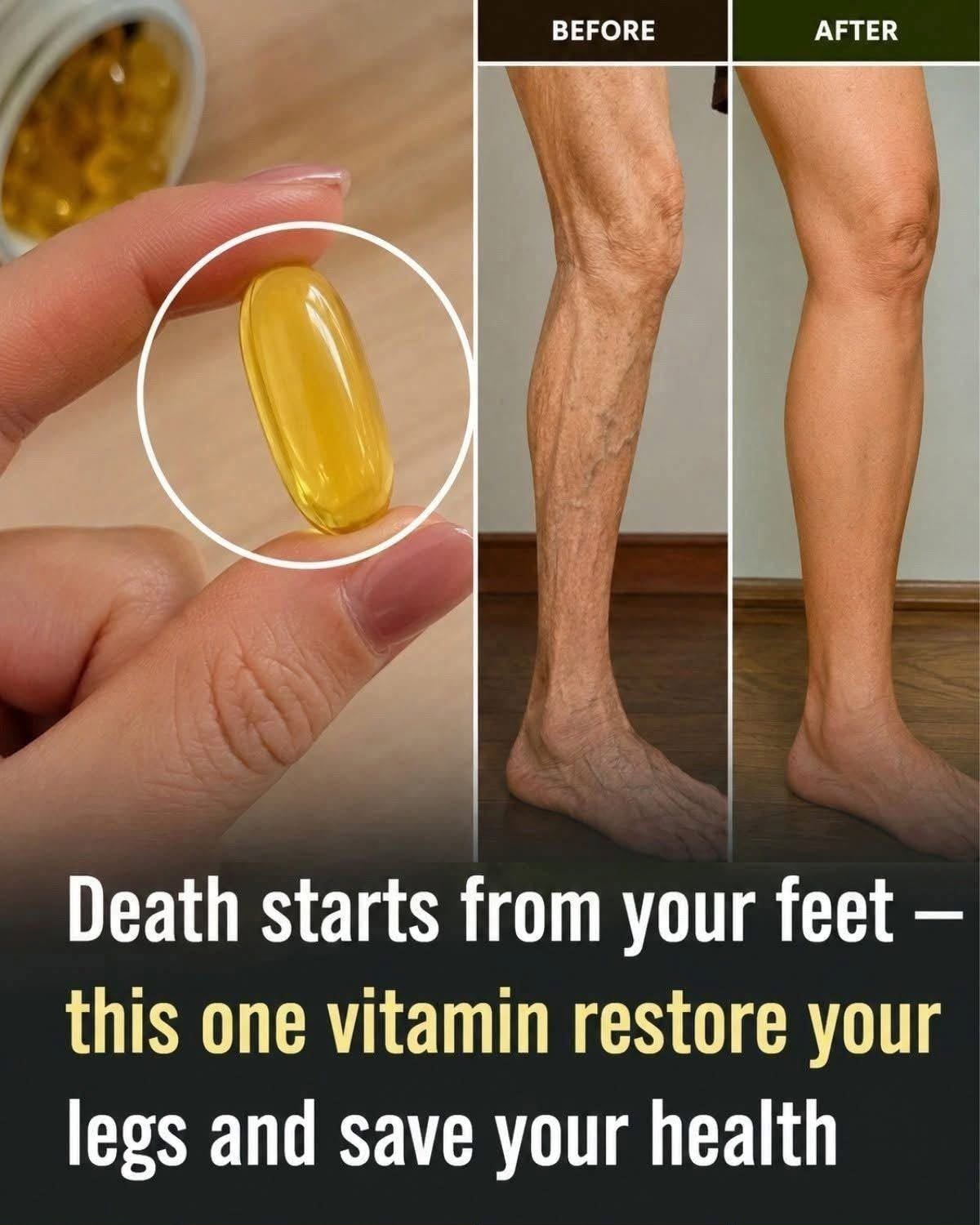
As we age, maintaining healthy blood circulation in our lower extremities becomes increasingly vital for overall mobility, energy levels, and long-term health. Issues like varicose veins, leg swelling, numbness, or constant heaviness in the lower legs are often early indicators of poor peripheral circulation or vascular insufficiency.
While simple lifestyle habits and targeted dietary nutrients can support blood vessel strength, understanding the true role of essential vitamins in cardiovascular and vascular health is key to maintaining active, pain-free legs.
Key Vitamins and Nutrients for Strong Leg Circulation
Certain essential nutrients play crucial roles in maintaining vascular integrity, supporting arterial wall elasticity, and encouraging optimal blood flow throughout the body.
1. Vitamin D3: Supporting Vascular Function and Muscle Strength
Vitamin D3 plays an important role in regulating vascular inflammation, supporting arterial health, and maintaining endothelial function (the inner lining of blood vessels). Maintaining adequate Vitamin D levels supports proper calcium balance and overall lower-body muscular strength.
2. Vitamin K2: Promoting Calcium Balance in Blood Vessels
Vitamin K2 works synergistically with Vitamin D to direct calcium into bones and teeth while keeping it out of smooth arterial walls. By inhibiting vascular calcification, Vitamin K2 helps preserve natural arterial flexibility and healthy blood flow.
3. Vitamin C: Collagen Synthesis and Capillary Strength
Vitamin C is a powerful antioxidant essential for collagen production. Collagen provides structural integrity to the walls of veins, capillaries, and blood vessels, helping prevent spider veins and promoting healthy vessel elasticity.
4. Vitamin E: Antioxidant Protection against Oxidative Stress
Vitamin E acts as a fat-soluble antioxidant that protects cellular membranes in blood vessels from free radical damage. It aids in inhibiting blood cell aggregation and supports smooth, uninterrupted peripheral blood circulation.
5. B-Complex Vitamins (B6, B12, and Folate)
B-vitamins help regulate homocysteine levels in the bloodstream. Elevated homocysteine is a known risk factor for endothelial damage and impaired arterial health. Adequate B-vitamin intake supports neural sensitivity and prevents tingling or numbness in the feet.
Health Insurance, Cardiovascular Screenings, and Specialist Care
Persistent leg pain, severe varicose veins, skin discoloration, or slow-healing lower leg sores should always be evaluated by a medical professional.
Evaluating Peripheral Artery Disease (PAD) and Chronic Venous Insufficiency
Symptoms like severe cramping, persistent swelling, or visible bulging veins may indicate conditions such as Chronic Venous Insufficiency (CVI) or Peripheral Artery Disease (PAD). Primary care doctors and vascular specialists use non-invasive Doppler ultrasound tests to assess blood flow speed and pressure in leg veins.
Insurance Coverage for Vascular Screenings and Treatments
Most comprehensive health insurance plans cover diagnostic vascular ultrasounds, routine cardiovascular screenings, and medically necessary treatments for venous insufficiency. Utilizing preventative benefits ensures long-term circulation health without unexpected medical costs.
Effective Daily Habits to Boost Leg Circulation
- Stay Physically Active: Engage in daily low-impact exercises such as brisk walking, cycling, or swimming to activate calf muscle pumps that assist blood return to the heart.
- Elevate Your Legs Daily: Prop your legs above heart level for 15 to 20 minutes each afternoon to encourage fluid drainage and relieve venous pressure.
- Wear Compression Socks: Quality graduated compression stockings gently compress leg tissues to enhance venous return, reduce swelling, and alleviate leg fatigue during long periods of standing or sitting.
- Maintain Healthy Hydration: Drink plenty of water throughout the day to support healthy blood volume and prevent blood viscosity changes.
- Eat a Nutrient-Rich Diet: Incorporate potassium-rich foods, leafy greens, berries, and healthy fats to support healthy blood pressure and vascular tissue integrity.
Frequently Asked Questions (FAQ)
Can a single vitamin eliminate varicose veins overnight?
No. While essential vitamins support blood vessel health and wall elasticity, structural changes like severe varicose veins require a combination of regular exercise, lifestyle habits, compression therapy, or professional medical treatment.
What is the best exercise for poor leg circulation?
Brisk walking is one of the most effective exercises for leg circulation because flexing the feet and calf muscles acts as a natural pump, pushing venous blood back up toward the heart.
Are vascular health checkups covered by health insurance?
Yes. When persistent symptoms like leg pain, swelling, or numbness are present, diagnostic testing and consultations with a vascular specialist are generally covered under standard health insurance plans.
