
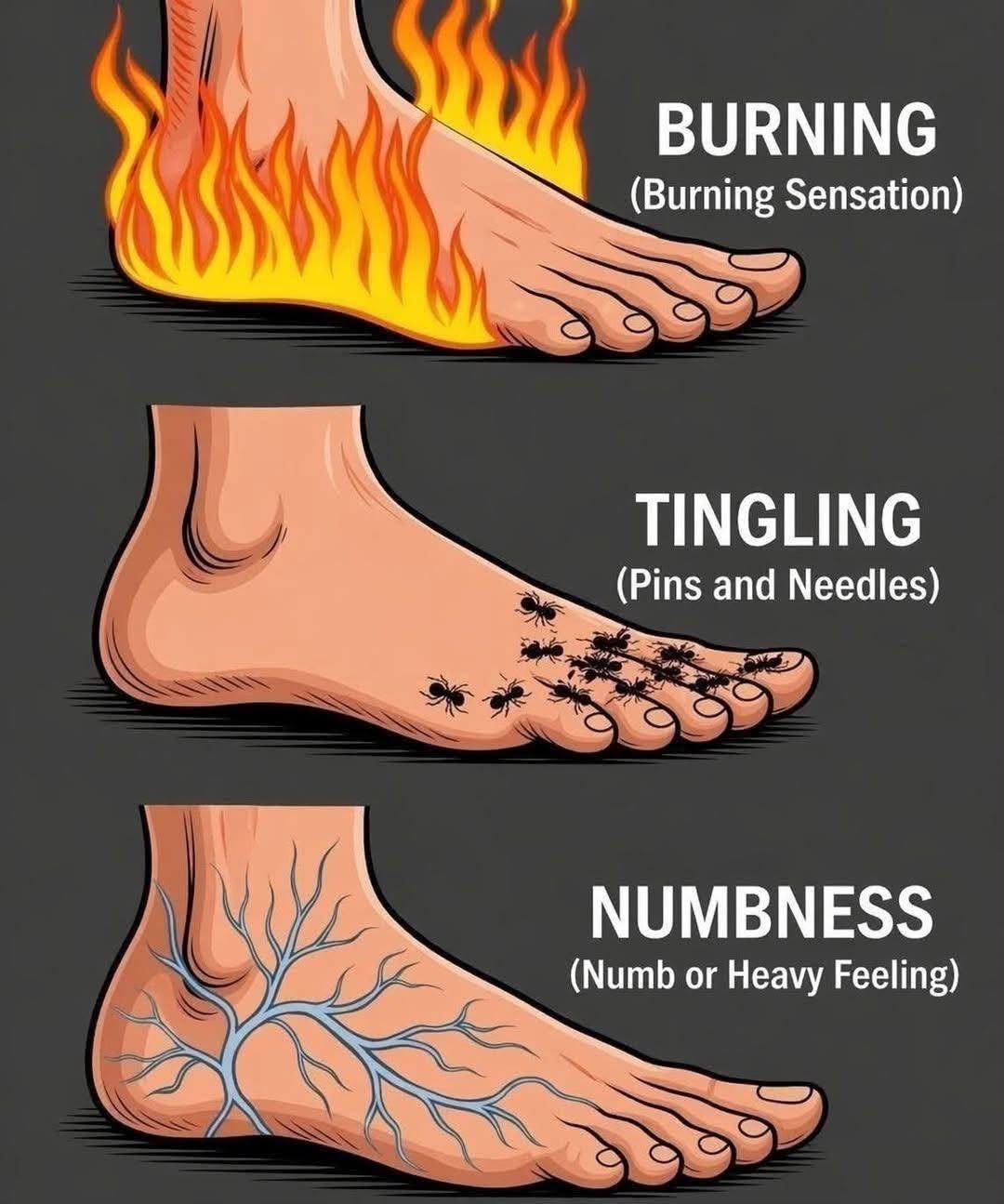
Experiencing strange sensations in your feet—such as a persistent burning feeling, a pins-and-needles tingling sensation, or a general sense of numbness and heaviness—is a common concern that should never be ignored. Known clinically as peripheral neuropathy or nerve irritation, these symptoms indicate that the nerves responsible for transmitting signals between your lower extremities and brain are under stress.
Understanding the underlying causes of nerve distress, identifying risk factors, and taking active steps toward nerve repair and circulation support can help alleviate discomfort and prevent permanent neurological damage.
3 Common Nerve Sensations in the Feet and What They Mean
Nerve issues in the lower extremities typically manifest through three distinct physical sensations:
1. Burning Sensation (Peripheral Neuropathy)
A severe or persistent burning feeling in the soles or tops of the feet often signals inflamed or damaged nerve fibers. This condition is frequently linked to elevated blood sugar levels, chronic alcohol intake, or severe nutrient deficiencies that impair nerve signaling.
2. Tingling or “Pins and Needles” Sensation
Feeling as though ants are crawling over your feet or experiencing a prickling “pins and needles” sensation usually points to temporary nerve compression, localized poor blood circulation, or early-stage nerve degeneration.
3. Numbness or Heavy Feeling
A loss of sensation, reduced ability to feel temperature changes, or a dull, heavy feeling in the feet indicates significant nerve blockage or advanced sensory impairment. This loss of protective sensation increases the risk of undetected foot injuries, sores, or balance issues.
Underlying Causes of Foot Nerve Pain and Discomfort
- Diabetic Neuropathy: Uncontrolled high blood sugar over extended periods damages delicate capillaries that supply oxygen and nutrients to peripheral nerves.
- Vitamin Deficiencies: Insufficient levels of key nutrients—especially Vitamin B12, Vitamin B6, and Vitamin B1—can disrupt the protective myelin sheath surrounding nerves.
- Nerve Compression (Sciatica or Tarsal Tunnel): Pinched nerves in the lower back or ankles can radiate pain, tingling, and numbness down into the feet.
- Poor Peripheral Blood Circulation: Reduced blood flow caused by arterial disease prevents peripheral tissues from receiving essential oxygen, triggering numbness.
- Chronic Inflammation and Autoimmune Response: Systemic conditions like rheumatoid arthritis or thyroid dysfunction can cause swelling that compresses surrounding foot nerves.
Health Insurance, Neurological Screenings, and Specialist Care
Persistent burning, tingling, or numbness requires a thorough evaluation by a primary care physician, neurologist, or podiatrist to determine the exact root cause.
Diagnostic Testing for Nerve Health
Doctors use specialized diagnostic tools—such as nerve conduction velocity (NCV) tests, electromyography (EMG), comprehensive blood sugar panels, and vitamin level assessments—to measure nerve function and identify underlying metabolic issues.
Maximizing Health Insurance Coverage
Most major health insurance plans cover routine neurological exams, podiatry consultations, and diagnostic testing. Utilizing preventive care benefits allows patients to access customized therapies, prescription nerve medications, and physical therapy without facing heavy financial strain.
Practical Daily Habits to Protect Nerve Health and Improve Comfort
- Maintain Stable Blood Sugar Levels: Eat a well-balanced diet rich in fiber, lean proteins, and low-glycemic foods to prevent sugar spikes that damage peripheral nerves.
- Incorporate B-Complex Vitamins: Ensure adequate intake of essential B-vitamins through nutrient-rich foods like eggs, leafy greens, legumes, or high-quality dietary supplements.
- Inspect Your Feet Daily: Check your feet every evening for cuts, blisters, or skin changes, especially if you experience reduced sensation or numbness.
- Wear Comfortable, Supportive Footwear: Choose well-cushioned shoes with wide toe boxes to prevent excess pressure on delicate foot nerves and arteries.
- Engage in Daily Low-Impact Exercise: Activities like walking, swimming, or gentle foot stretches stimulate peripheral circulation and encourage nerve nourishment.
Frequently Asked Questions (FAQ)
Can Vitamin B12 deficiency cause burning and tingling in the feet?
Yes. Vitamin B12 is essential for maintaining the protective sheath around nerves; severe deficiencies frequently lead to nerve damage, tingling, and burning sensations.
Is foot numbness dangerous?
Yes. Foot numbness reduces your ability to feel pain, increasing the risk of unnoticed cuts, blisters, or ulcers that can lead to severe infections, particularly in individuals with diabetes.
Are nerve tests for foot pain covered by health insurance?
Yes. When prescribed by a physician to evaluate chronic pain, numbness, or weakness, diagnostic nerve studies like EMGs and NCVs are typically covered under standard health insurance policies.
