
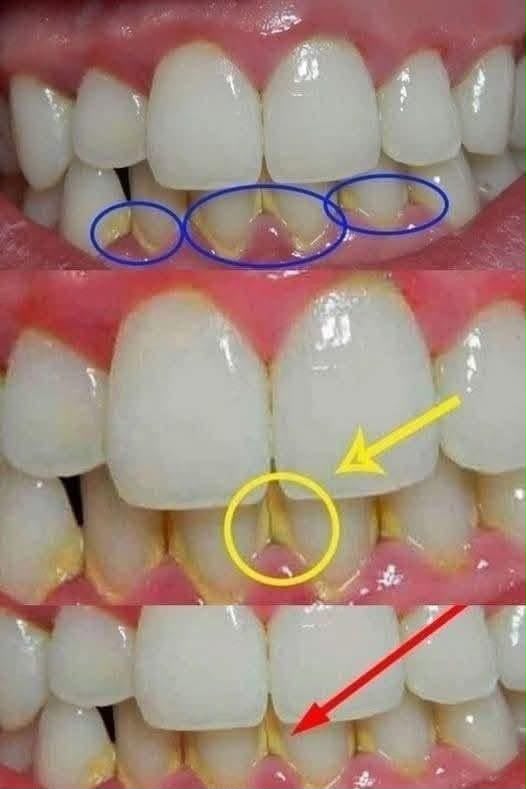
Maintaining a bright, healthy smile goes beyond daily brushing and flossing. Over time, yellow or brownish deposits can accumulate along the gumline and between teeth. Known as tartar (or dental calculus), this hardened buildup is a common oral health concern that cannot be removed by standard brushing alone. If left untreated, tartar accumulation can irritate the gums, leading to inflammation, bad breath, and long-term periodontal disease.
Understanding how plaque turns into tartar, practicing effective preventive oral hygiene, and leveraging dental insurance benefits for professional cleanings are essential steps in protecting your smile.
What Causes Tartar Buildup Along the Gumline?
Tartar begins as plaque—a sticky, colorless film of bacteria that constantly forms on your teeth after eating or drinking.
1. The Mineralization Process
When plaque is not thoroughly removed through daily brushing and flossing, it reacts with natural minerals found in your saliva (such as calcium and phosphate). Within 24 to 72 hours, soft plaque hardens into tartar, binding tightly to enamel and root surfaces along the gumline.
2. Rough Surface and Bacterial Growth
Unlike smooth enamel, tartar has a porous, rough surface that provides an ideal foundation for more plaque to adhere to. Over time, this creates a continuous cycle of mineralized buildup, staining, and bacterial growth.
3. High Risk Areas
Tartar most commonly forms near saliva gland openings—such as behind the lower front teeth and on the outer surfaces of the upper molars—as well as hard-to-reach spaces between tight teeth.
Health Risks of Untreated Tartar Accumulation
- Gingivitis (Early Gum Disease): Tartar harbors bacteria that irritate delicate gum tissues, causing redness, swelling, and bleeding during brushing.
- Periodontitis (Advanced Gum Inflammation): Persistent tartar buildup beneath the gumline causes deep pockets to form between teeth and gums, leading to tissue recession, bone loss, and potential tooth mobility.
- Persistent Bad Breath (Halitosis): Bacteria residing within tartar deposits produce volatile sulfur compounds, causing chronic unpleasant odors that mouthwashes cannot cure.
- Tooth Discoloration: Tartar absorbs pigments from coffee, tea, wine, and tobacco, leading to dark yellow or brown stains along the edges of your teeth.
Dental Insurance, Professional Scaling, and Preventive Care
Once plaque calcifies into tartar, specialized dental tools are required to safely remove it without damaging tooth enamel.
Professional Dental Cleanings (Scaling and Root Planing)
Dental hygienists use ultrasonic devices and specialized hand instruments to scale away hardened tartar deposits above and below the gumline. For advanced buildup, deep cleaning (scaling and root planing) smooths root surfaces to allow gum tissue to heal and reattach cleanly.
Maximizing Dental Insurance Benefits
Most standard dental insurance plans cover 100% of biannual preventive care checkups and routine cleanings. Utilizing covered dental checkups twice a year prevents minor plaque from turning into costly periodontal procedures down the line.
Practical Daily Habits to Prevent Tartar Buildup
- Brush Twice Daily for Two Minutes: Use a soft-bristled toothbrush or an electric toothbrush with fluoride toothpaste to break up soft plaque before it hardens.
- Floss or Use Interdental Brushes Daily: Clean between tight teeth daily to remove trapped food particles and hidden plaque where toothbrushes cannot reach.
- Use an Antiseptic Mouthwash: Rinse with an antibacterial or tartar-control mouthwash to kill lingering bacteria and slow mineral accumulation.
- Limit Sugary and Starchy Foods: Reduce intake of sticky candies, sodas, and refined carbs that feed plaque-causing bacteria in the mouth.
- Stay Well-Hydrated: Drink plenty of water throughout the day to encourage healthy saliva flow, which naturally washes away excess food particles and neutralizes acids.
Frequently Asked Questions (FAQ)
Can you remove hardened tartar at home with a toothbrush?
No. Once plaque calcifies into tartar, it becomes chemically bonded to the tooth surface and can only be safely removed by a trained dental professional using clinical instruments.
How often should I get a professional dental cleaning?
Most dentists recommend receiving a professional dental cleaning every 6 months. However, individuals prone to rapid tartar buildup or gum disease may require checkups every 3 to 4 months.
Does dental insurance cover tartar removal?
Yes. Routine scaling during biannual checkups is typically covered at 100% under standard dental insurance policies as part of preventive oral healthcare.
