
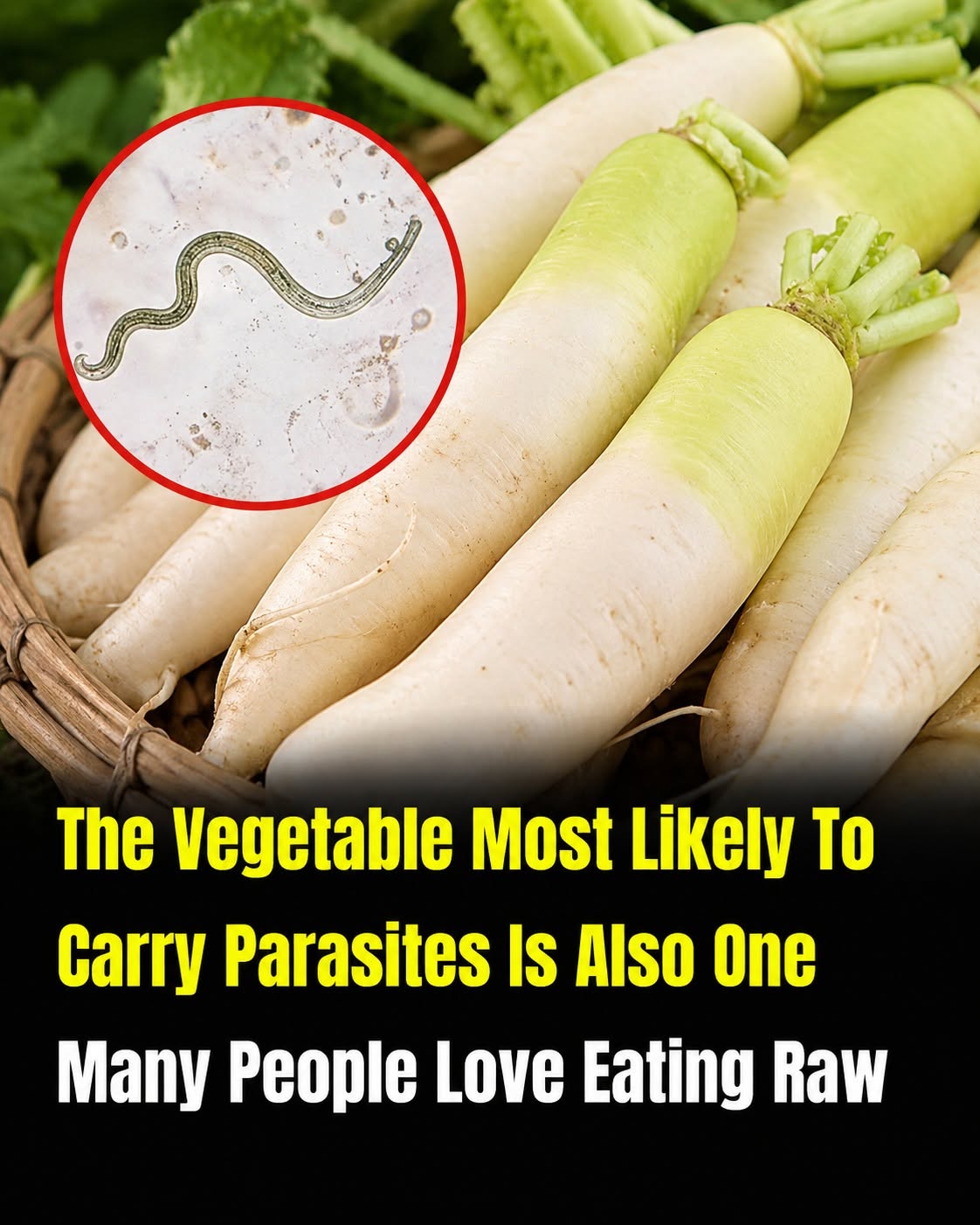
Fresh vegetables are essential components of a healthy diet, yet raw produce can sometimes harbor soil-borne bacteria, microscopic parasites, or residual pesticides. A viral health graphic featuring fresh white daikon radishes alongside a microscopic inset of a nematode worm—captioned “The Vegetable Most Likely To Carry Parasites Is Also One Many People Love Eating Raw”—highlights growing consumer concern over produce safety and foodborne pathogens. Root vegetables and leafy greens grow in direct contact with soil, making thorough washing and proper culinary preparation critical for preventing foodborne illness.
Understanding produce hygiene practices, recognizing food safety protocols, and navigating healthcare options for parasitic infections offers vital protection for household health.
Understanding Soil-Borne Pathogens and Vegetable Hygiene
Root crops grow underground, absorbing water and nutrients directly from soil that may harbor microscopic organisms.
1. Soil Contamination and Parasitic Microorganisms
Vegetables like radishes, carrots, and leafy salad greens can carry soil-borne microbes, including protozoa and nematode eggs, if grown in unpasteurized compost or irrigated with untreated water. Consuming raw, unwashed produce introduces these microorganisms directly into the human digestive tract, potentially triggering stomach upset or intestinal distress.
2. Best Washing and Sanitizing Methods
Rinsing root vegetables under running tap water while scrubbing with a dedicated firm vegetable brush removes soil particles and surface microbes effectively. Soaking produce in a diluted vinegar bath (one part white vinegar to four parts water) or a baking soda solution further neutralizes surface residues before raw consumption or cooking.
Intestinal Health, Clinical Diagnostics, and Insurance Coverage
When raw food contamination causes persistent gastrointestinal symptoms, medical evaluation provides appropriate treatment options.
When to Consult a Healthcare Professional
Ingesting foodborne parasites can result in symptoms like persistent diarrhea, severe abdominal cramping, unexplained fatigue, or nausea. Consulting a primary care physician or gastroenterologist allows for proper diagnostic stool testing and targeted antiparasitic or antibiotic prescriptions rather than relying on unverified detox cleanses.
Diagnostic Testing and Health Insurance Support
Comprehensive medical consultations, stool culture panels, and diagnostic bloodwork for foodborne illnesses are widely covered under standard health insurance policies, including commercial plans and government programs.
Practical Tips for Safe Raw Produce Consumption
- Scrub Root Vegetables Thoroughly: Use a stiff-bristle brush under cold running water to remove dirt lodged in outer peel grooves.
- Peel Skin Before Raw Eating: Remove the outer skin of raw root vegetables like daikon, radishes, and carrots to eliminate potential surface contaminants.
- Cook High-Risk Produce: Cooking vegetables thoroughly at high temperatures effectively neutralizes heat-sensitive bacteria, parasites, and larvae.
Frequently Asked Questions (FAQ)
Can parasites live on raw radishes and root vegetables?
Yes. Microscopic parasites, protozoa, and soil bacteria can attach to the outer skin of root crops that grow directly underground.
Does soaking vegetables in vinegar kill parasites?
Soaking in a vinegar or baking soda solution helps loosen dirt, oil, and surface microorganisms, though thorough scrubbing and heat cooking remain the most reliable methods.
Are foodborne parasitic infections covered by health insurance?
Yes. Diagnostic testing, physician evaluations, and prescribed treatments for foodborne illnesses are covered under most standard health insurance plans.
