
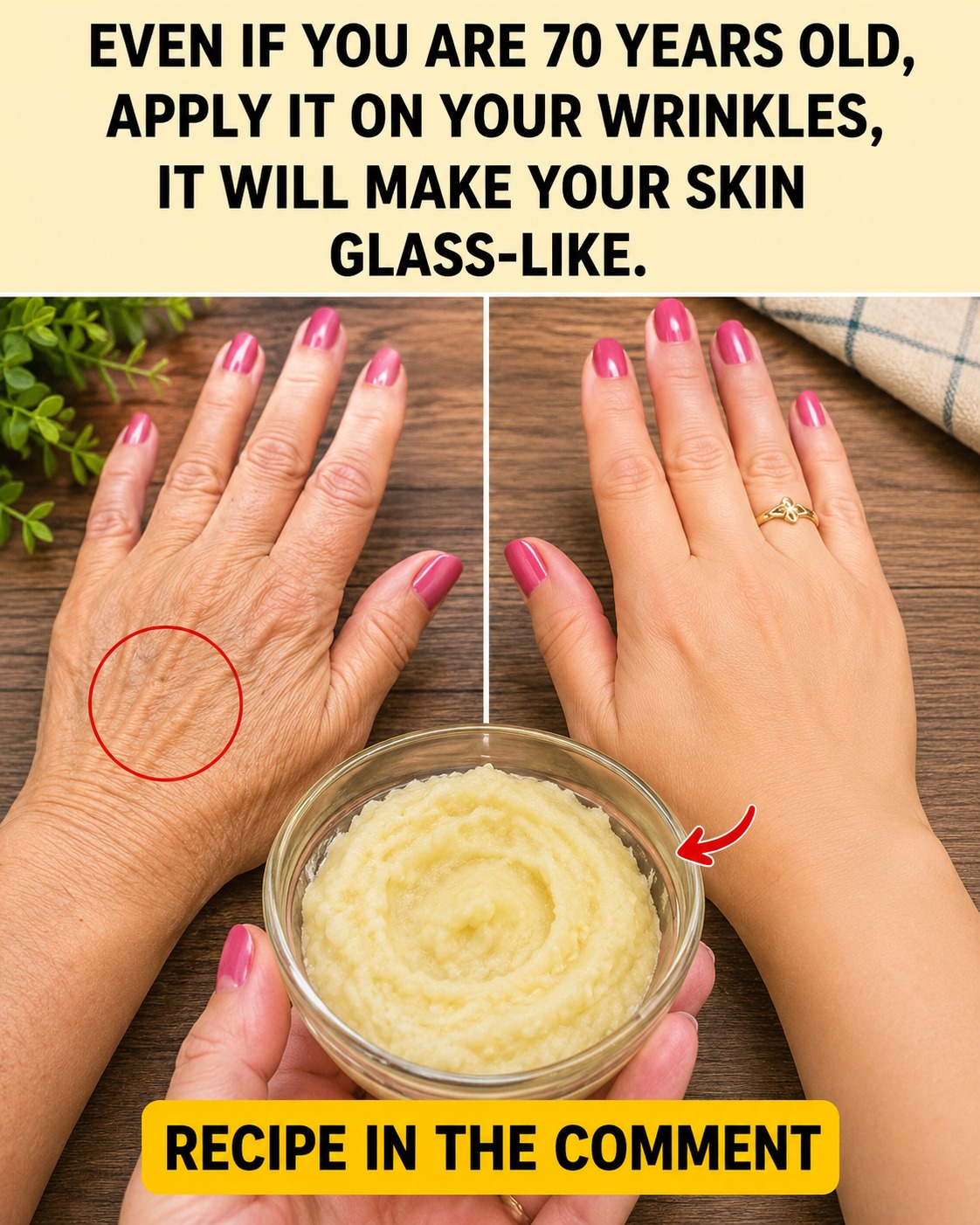
As skin ages, collagen production naturally slows, leading to reduced elasticity, fine lines, and wrinkled textures on the hands and face. A viral skincare graphic showing a before-and-after hand comparison alongside a natural cream bowl—captioned “Even if you are 70 years old, apply it on your wrinkles, it will make your skin glass-like”—highlights the search for effective anti-aging remedies. Achieving soft, radiant, “glass-like” skin requires a combination of deep hydration, gentle exfoliation, and proven dermatological ingredients that nourish mature skin barriers.
Understanding how natural ingredients support skin texture, protecting delicate mature skin, and navigating health insurance benefits for dermatological consultations provides vital guidance for effective anti-aging care.
Key Ingredients for Hydrating and Smoothing Mature Skin
Targeted natural ingredients and topical formulations help lock in moisture, smooth fine wrinkles, and restore a youthful radiance.
1. Natural Hydrators: Vaseline, Coconut Oil, and Honey
Thick emollient bases like petroleum jelly (Vaseline), raw honey, and natural plant oils create a protective moisture seal over dry, wrinkled skin. While these ingredients do not permanently erase deep structural wrinkles, they temporarily plump superficial fine lines by heavily hydrating the outermost epidermal layers.
2. Vitamin C, Rice Flour, and Active Retinoids
Exfoliating agents like finely ground rice flour help slough off dull, dead skin cells, encouraging smoother light reflection for that sought-after “glass skin” effect. For long-term collagen building, dermatologist-approved ingredients such as Vitamin C serums, hyaluronic acid, and topical retinoids (retinol or tretinoin) provide scientifically proven anti-aging benefits.
Skin Health, Dermatological Care, and Health Insurance Coverage
While homemade DIY creams offer immediate surface hydration, managing significant skin changes requires professional medical oversight.
When to Consult a Dermatologist
Persistent dry patches, deep skin cracking, age spots, or changing skin lesions should be evaluated by a board-certified dermatologist. A professional can tailor an anti-aging prescription regimen, recommend clinical treatments (such as chemical peels or laser therapy), and rule out precancerous skin conditions.
Medical Dermatology and Insurance Benefits
Standard health insurance plans, Medicare, and private healthcare insurance cover medically necessary dermatological visits, skin cancer screenings, and diagnostic evaluations for severe dry skin or eczema.
Practical Tips for Maintaining Youthful, Hydrated Skin
- Apply Sunscreen Daily: Use a broad-spectrum SPF 30+ sunscreen on your face and the backs of your hands daily to prevent photoaging and new wrinkles.
- Moisturize Immediately After Washing: Lock in essential hydration by applying rich creams or oils while your skin is still slightly damp.
- Stay Hydrated from Within: Drink plenty of water and eat antioxidant-rich foods containing Vitamin E and Omega-3 fatty acids to support cellular repair.
Frequently Asked Questions (FAQ)
Can natural home remedies permanently eliminate deep wrinkles?
No. While natural emollients deeply hydrate and temporarily plump fine lines, they cannot permanently remove deep structural wrinkles caused by collagen loss.
What is the most effective ingredient for smoothing skin wrinkles?
Topical retinoids (Retinol or Tretinoin) and Hyaluronic Acid are widely recognized by dermatologists as the most effective ingredients for stimulating collagen and plumping skin.
Does health insurance cover dermatologist visits?
Yes. Health insurance plans generally cover dermatological consultations for medical concerns, skin screenings, and chronic skin conditions, though purely cosmetic procedures are typically out-of-pocket.
