
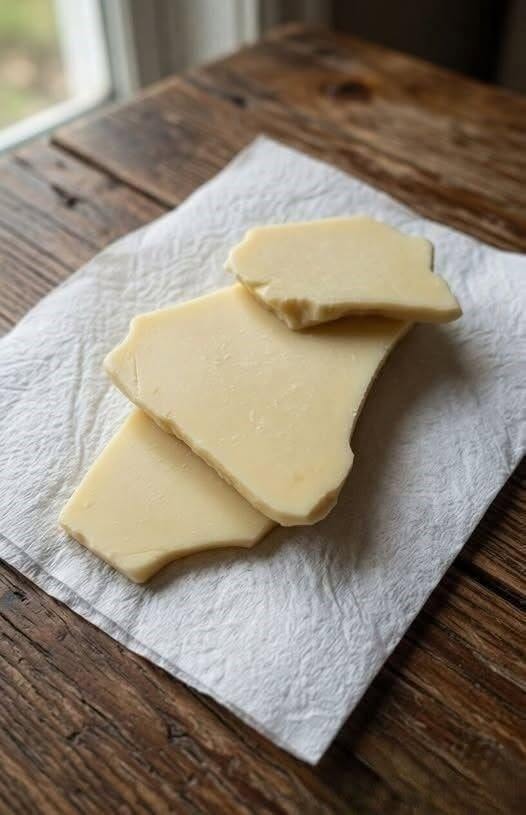
Pure cocoa butter is a rich, versatile natural fat famous for its role in chocolate making and natural skincare products. A crisp food photo featuring three smooth, pale yellow slabs of homemade cocoa butter resting on a white paper towel over a rustic wooden table inspires DIY enthusiasts and bakers alike. Extracted directly from cocoa beans or raw cocoa liquor, pure cocoa butter retains a delicate chocolate aroma and remains solid at room temperature while melting effortlessly upon contact with skin or heat.
Understanding how to render and refine cocoa butter at home, exploring its culinary applications, and learning its skincare benefits allows you to enjoy a completely natural product without added additives.
The Recipe Secrets for Extracting Pure Cocoa Butter at Home
Making cocoa butter from raw ingredients requires precise temperature management and slow separation.
1. Processing Raw Cocoa Nibs
Start with high-quality roasted cocoa nibs. Grinding roasted cocoa nibs continuously in a high-powered food processor or specialized stone grinder breaks down the cellular walls, releasing natural fats and creating a smooth liquid known as chocolate liquor.
2. Slow Separation and Straining
Gently warm the chocolate liquor using a double boiler over low heat. Passing the warm liquor through a fine mesh strainer or cheesecloth separates the solid cocoa solids from the clear, golden cocoa fat. Pouring the liquid oil into silicone molds and allowing it to cool at room temperature yields firm, pale yellow cocoa butter slabs.
Culinary Applications, Skincare Benefits, and Storage
Homemade cocoa butter offers incredible benefits across both gourmet cooking and natural personal care routines.
Premium Chocolate Making and Culinary Uses
Pure cocoa butter is the key ingredient required to temper chocolate, giving homemade truffles and chocolate bars a glossy finish and satisfying snap. Because it has a high smoke point (around 400°F), it is also an excellent stable fat for searing desserts or baking specialty pastries.
Deep Hydration and Skincare Wellness
Laden with essential fatty acids and natural antioxidants, cocoa butter acts as a deeply hydrating emollient. Applying raw cocoa butter locks in skin moisture, soothes dry skin, improves elasticity, and helps protect the skin barrier against environmental stressors.
Practical Tips for Working with Cocoa Butter
- Store in a Cool, Dark Place: Keep pure cocoa butter stored in an airtight container away from direct sunlight; it has a long shelf life of up to two years.
- Melt Over Indirect Heat: Always melt cocoa butter using a double boiler on low heat to prevent burning or altering its delicate cocoa flavor.
- Blend with Carrier Oils for Skincare: Mix melted cocoa butter with jojoba oil or sweet almond oil to create a smooth, easy-to-apply whipped body butter.
Frequently Asked Questions (FAQ)
Is cocoa butter dairy-free and vegan?
Yes. Despite its name, cocoa butter contains no dairy or animal products; it is a 100% plant-based fat derived from the cacao bean.
Can you use homemade cocoa butter directly on your skin?
Yes. Pure cocoa butter melts at body temperature, making it ideal for direct application as a natural facial or body moisturizer.
What gives cocoa butter its pale yellow color?
The natural fat extracted from cacao beans is naturally light cream to pale yellow when solidified at room temperature.
