
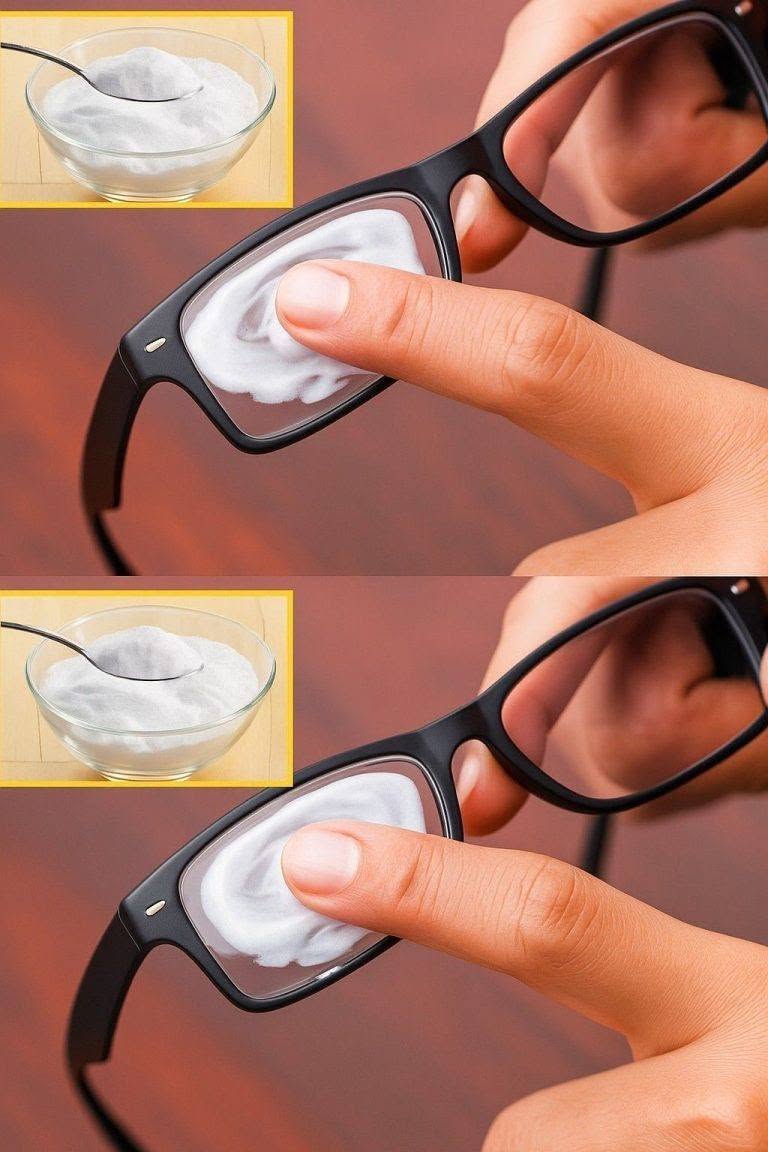
Eyeglasses are an essential daily investment for millions of people around the world. Whether you wear prescription lenses for vision correction, specialized reading glasses, or high-end designer sunglasses to shield your eyes from harmful UV rays, keeping them clean and scratch-free is crucial for maintaining clear vision and visual clarity. Over time, everyday wear and tear can result in smudges, stubborn grease buildup, micro-scratches, and cloudiness that obscure your line of sight and ruin an otherwise perfect pair of eyewear.
When minor scratches appear on delicate optical coatings, many people assume their only option is to spend hundreds of dollars on a new prescription, specialized vision insurance claims, or expensive optical shop repairs. However, simple household remedies—such as gentle pastes made from everyday pantry staples like baking soda—have gained massive popularity as home care hacks for restoring lens clarity.
Understanding how to properly clean, maintain, and protect your lenses can save you significant time and money while preserving your valuable optical equipment. In this comprehensive guide, we explore the science of lens coatings, step-by-step methods for natural lens cleaning, safe techniques for addressing minor scuffs, and expert advice on long-term eyewear care.
Understanding Eyeglass Lenses and Coating Technology
To properly care for modern eyewear, it is important to understand what lenses are actually made of and how modern optical manufacturing works. Years ago, most eyeglasses were made of traditional heavy glass. Today, the vast majority of prescription lenses and sunglasses are crafted from advanced lightweight materials such as polycarbonate, high-index plastic, or CR-39 resin.
While plastic and polycarbonate lenses are exceptionally lightweight, shatter-resistant, and comfortable for daily wear, they are inherently softer than traditional glass. To compensate for this softness, optical manufacturers apply specialized micro-coatings to the lens surfaces during production:
- Anti-Reflective (AR) Coatings: These ultra-thin chemical layers reduce glare from headlights, computer monitors, and overhead lights, improving clarity and aesthetics.
- Scratch-Resistant Hard Coatings: Applied to both front and back surfaces, these invisible shields help protect softer plastic substrates from daily scuffs.
- UV Protection Coatings: Designed to block invisible ultraviolet rays from damaging delicate eye tissue and sensitive skin around the eyes.
- Hydrophobic and Oleophobic Coatings: Specialized treatments that repel water droplets, sweat, and facial oils, making lenses easier to wipe clean.
Because these advanced coatings are microscopic and bonded directly to the lens surface, improper cleaning methods—such as using harsh household chemicals, rough paper towels, or abrasive materials—can degrade or strip these protective layers over time, resulting in permanent haze or surface damage.
Why Baking Soda is Popular for Home Eyewear Care
Baking soda (sodium bicarbonate) is widely celebrated as a versatile, eco-friendly cleaning compound used across households for everything from surface polishing to stain removal. In the realm of DIY home hacks, a smooth baking soda paste is often discussed as a gentle method for buffing out micro-imperfections on untreated plastic surfaces or removing heavy, oily residue that standard cleaning cloths leave behind.
The Science Behind Sodium Bicarbonate
Sodium bicarbonate is a mild alkaline salt with a unique crystalline structure. When mixed with a small amount of water, it creates a smooth, micro-abrasive slurry. Because its particles are relatively soft compared to hard mineral compounds, it can gently break down organic build-up, body oils, dried smudges, and surface grime without requiring aggressive scrubbing pressure.
How Micro-Buffing Works
When applied with extreme care using soft pressure and a fingertips-only motion, a very dilute, smooth paste can help smooth out minor surface build-up or gently polish plastic substrates. However, caution must always be exercised: using too much friction or applying abrasive pastes to lenses with specialized anti-reflective (AR) or mirror coatings can wear away those delicate treatments. Always test any home method carefully and understand your specific lens type before proceeding.
Step-by-Step Guide: The Safe Method for Cleaning Lenses at Home
If you want to give your glasses a deep, hygienic clean and clear away stubborn oily residue using safe, natural methods, follow this structured, professional routine.
Step 1: Wash and Dry Your Hands
Before touching your optical equipment, wash your hands thoroughly with mild soap and warm water. Ensure your hands are completely free from dirt, lotion, cream, or grease that could easily transfer onto the clean glass surfaces.
Step 2: Rinse Under Warm Tap Water
Rinse your frames and lenses under a gentle stream of lukewarm tap water. This crucial step flushes away fine dust particles, sand, and grit. Wiping a dry lens covered in dust can drag tiny abrasive particles across the surface, causing microscopic scratches. Avoid hot water, as rapid temperature shifts can cause thermal shock and crack delicate lens coatings.
Step 3: Prepare the Mild Cleaning Mixture
Add a tiny drop of lotion-free liquid dish soap to each lens. Alternatively, if preparing a gentle deep-cleaning paste with pure baking soda:
- Combine two parts baking soda with one part lukewarm water in a small, clean glass bowl.
- Stir thoroughly until it forms a uniform, liquid-smooth consistency without dry granules.
- Verify that the mixture contains no coarse clumps or un-dissolved solids.
Step 4: Gentle Application
Using the soft pads of your fingertips (never your fingernails), gently rub the mild lather or smooth solution across both sides of the lenses in small, circular motions for approximately 10 to 15 seconds. Ensure you gently clean around the nose pads, hinges, and frame grooves where facial oils, hair products, and sweat accumulate.
Step 5: Thorough Rinsing
Rinse the eyeglasses completely under lukewarm running water until all residues, bubbles, or paste remnants are completely washed away. Leaving any dried residue in frame crevices can attract future dust.
Step 6: Proper Drying Technique
Inspect the lenses under a bright light source. Dry the frames and lenses gently using a clean, lint-free microfiber cloth specifically designed for optics. Avoid using paper towels, tissues, napkins, or the hem of your shirt, as wood fibers in paper products and coarse fabric weaves can easily scratch sensitive coatings.
Common Myths and Cleaning Mistakes to Avoid
When maintaining expensive personal items like prescription eyewear, separating proven facts from dangerous home myths is vital. Many common household products can permanently damage your lenses:
- Using Glass Cleaners or Ammonia: Standard window cleaners contain aggressive chemicals like ammonia or alcohol blends that can erode delicate anti-reflective (AR) coatings, leaving behind cloudy patches or peeling films.
- Dry Wiping Lenses: Wiping lenses when dry pushes microscopic surface dust back and forth, essentially sanding the protective surface layer over time.
- Rubbing with Clothing Fabrics: Shirt hems and denim jeans often trap dirt particles and feature rigid fiber weaves that cause hairline scratches across plastic lenses.
- Using Toothpaste for Scratch Repair: A common internet myth recommends abrasive white toothpaste for buffing out deep scratches. In reality, toothpaste contains abrasive silica compounds designed for tooth enamel that are far too harsh for optical plastics, often creating broad, hazy scuff marks.
- Excessive Heat Exposure: Leaving your eyeglasses on a car dashboard under direct sunlight or exposing them to high heat from hair dryers can warp plastic frames and cause lens coatings to craze or crack.
Practical Tips for Long-Term Eyewear Protection
Protecting your vision investment requires consistent daily habits and proper storage solutions. Here are practical ways to extend the lifespan of your prescription glasses and designer frames:
+--------------------------+-------------------------------------------------------+
| Practice                 | Operational Benefit                                   |
+--------------------------+-------------------------------------------------------+
| Hard Protective Case     | Shields lenses from impact, drops, and accidental crush|
| Dedicated Microfiber     | Safely absorbs facial oils without scratching plastic |
| Two-Handed Removal       | Prevents frame alignment drift and hinge tension      |
| Regular Screw Tightening | Prevents loose temples and dropping frames unexpectedly|
| Annual Professional Check| Ensures proper prescription accuracy and optical fit  |
+--------------------------+-------------------------------------------------------+
Invest in Quality Cases
Always store your glasses inside a rigid, hard-shell protective case when they are not in use. Avoid tossing loose eyewear into backpacks, purses, or glove compartments where keys, coins, and hard edges can scratch the surfaces.
Proper Removal Technique
Get into the habit of taking your glasses off using both hands holding the temple arms. Removing glasses with one hand pulls the frame unevenly, causing alignment issues, loose hinges, and eventual stress fractures along the bridge.
Keep Microfiber Cloths Clean
Microfiber optical cloths trap oils and dust efficiently, but they must be washed regularly to remain effective. Wash your cleaning cloths weekly by hand using mild dish soap and warm water, then air dry. Avoid fabric softeners, as they leave oily films that smudge clear glass.
Interesting Facts About Eyewear and Optical Science
- Historical Roots: The earliest wearable eyeglasses were crafted in Northern Italy around the late 13th century, featuring crude convex lenses set into wood, horn, or leather frames held in front of the face.
- Baking Soda Origins: Ancient Egyptians utilized natron—a natural mineral mixture rich in sodium carbonate and sodium bicarbonate—as a versatile cleaning agent, soap substitute, and preservative thousands of years ago.
- Space-Age Technology: Modern scratch-resistant coatings were heavily influenced by NASA space technology developed to protect astronaut helmet visors and delicate aerospace instruments from harsh space environments and space dust.
- The Anti-Reflective Breakthrough: Anti-reflective coating technology was originally patented in 1935 by Carl Zeiss optics engineer Alexander Smakula to improve light transmission through optical camera lenses and military binoculars.
Financial Considerations: Repair vs. Replacement Options
Maintaining clear vision is an ongoing healthcare priority, but managing optical expenses effectively requires understanding your repair and replacement options.
When facing damaged or severely scratched lenses, evaluate whether simple professional maintenance, warranty replacement, or new prescription lenses make the most financial sense.
+-----------------------------+------------------------------------+-----------------------------------+
| Option                      | Average Relative Cost              | Best Suited For                   |
+-----------------------------+------------------------------------+-----------------------------------+
| Home Cleaning & Buffing     | Extremely Low                      | Minor smudges, deep oil residue   |
| Optical Frame Adjustment    | Free to Low (At Local Optician)    | Loose fit, bent temples, slipping  |
| Lens Replacement in Frame   | Moderate                           | Severe scratches, changed vision  |
| Complete New Pair           | Moderate to High                   | Damaged frame, outdated style     |
+-----------------------------+------------------------------------+-----------------------------------+
If your lenses feature deep grooves or structural cracks that interfere directly with your central line of sight, DIY buffing methods will not resolve the issue. Operating vehicles or working with damaged lenses can cause severe eye strain, headaches, and fatigue. In such cases, check your vision insurance policy, health savings accounts (HSA/FSA), or manufacturer warranty coverage to explore discounted replacement options with your licensed optometrist.
Conclusion
Taking proper care of your eyeglasses is an essential habit that ensures visual comfort, protects your eye health, and extends the life of your eyewear investment. While specialized cleaning solutions and dedicated optical wipes are ideal for daily maintenance, safe household methods—such as lukewarm water, lotion-free soaps, and smoothly dissolved baking soda pastes—can offer deep cleaning for stubborn residue when used with proper care. By avoiding abrasive fabrics, harsh household chemicals, and extreme heat, you can keep your lenses crystalline, clear, and smudge-free for years to come.
Frequently Asked Questions (FAQ)
1. Can baking soda permanently fix deep scratches on prescription glasses?
No. Baking soda paste cannot fill in or eliminate deep, physical gouges in plastic or glass lenses. While a smooth paste can help polish surface residue and smooth out extremely minor clear-coat imperfections, deep scratches that can be felt with a fingernail require professional lens replacement.
2. Is it safe to clean anti-reflective (AR) coated lenses with baking soda?
Use extreme caution. Anti-reflective coatings are delicate microscopic layers bonded to the lens surface. Aggressive rubbing or using abrasive mixtures can cause the AR coating to peel, wear away, or turn cloudy. For AR-coated lenses, lukewarm water and mild dish soap are always the safest option.
3. How often should I clean my eyeglasses?
It is recommended to give your eyeglasses a gentle quick clean every morning using a clean microfiber cloth and dedicated lens spray, and a thorough wet rinse with mild soap once a week to remove oils from frame joints, nose pads, and hinges.
4. What should I do if my glasses lenses become permanently cloudy?
Permanent cloudiness is often caused by crazing (cracking of the anti-reflective coating due to heat exposure) or chemical corrosion from harsh cleaners. Unfortunately, once a lens coating has crazed or degraded, it cannot be wiped off or buffed clean. The lenses must be replaced by an optician.
