
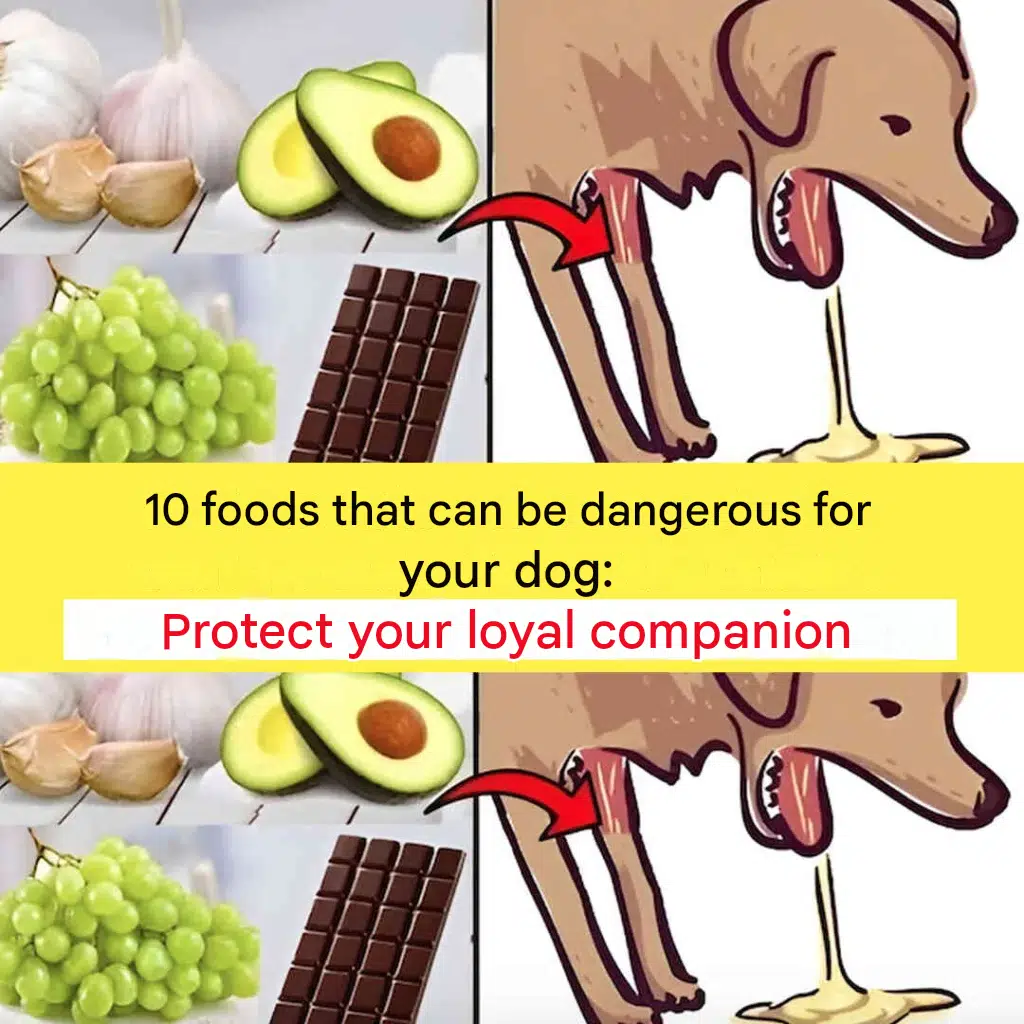
As pet owners, we often view our dogs as full members of the family, sharing our homes, affection, and occasionally treats from our own plates. While it is tempting to share a snack with a loyal companion, many everyday human foods contain chemical compounds, toxins, or ingredients that are extremely dangerous—and potentially fatal—to canines.
Dogs metabolize food differently than humans, meaning substances that are completely harmless to us can cause severe organ damage, neurological issues, or acute poisoning in dogs. Understanding which foods pose a risk is an essential part of responsible pet care, health management, and preventive veterinary safety.
This comprehensive guide explores ten hazardous foods for dogs, the biological mechanisms behind canine toxicity, veterinary emergency responses, pet insurance considerations, and practical tips for keeping your household safe.
The Canine Digestive System and Toxicity Risks
To understand why certain foods are harmful, it helps to examine how canine metabolism processes dietary components. Dogs lack specific enzymes required to break down certain compounds found in common fruits, vegetables, and processed items. When ingested, these substances accumulate in the bloodstream or target vital organs, triggering toxic reactions.
                  [ Ingestion of Toxic Food Item ]
                                │
                                ▼
                   [ Canine Digestive Processing ]
                                │
  ┌─────────────────────────────┼─────────────────────────────>
  ▼                             ▼                             ▼
[Organ Damage / Toxicity]  [Gastrointestinal Distress]  [Neurological Impairment]
  │                             │                             │
  └─────────────────────────────┼─────────────────────────────>
                                ▼
                [ Veterinary Emergency Treatment ]
10 Foods That Are Dangerous for Dogs
Veterinary toxicologists have identified several common household foods that should never be fed to dogs under any circumstances.
1. Chocolate and Cacao Products
Chocolate contains theobromine and caffeine, both of which stimulate the canine central nervous system and cardiovascular system. Because dogs process theobromine very slowly, ingestion can lead to severe vomiting, diarrhea, rapid heart rate, tremors, seizures, and fatal complications.
2. Grapes and Raisins
Even in small amounts, grapes and raisins can cause sudden, acute kidney failure in dogs. The exact toxin remains unidentified, but ingestion frequently results in severe lethargy, vomiting, and complete renal shutdown.
3. Onions, Garlic, and Chives
Allium species—including onions, garlic, shallots, and chives—contain organosulfoxides that damage a dog’s red blood cells, causing oxidative hemolysis (the destruction of red blood cells leading to anemia, weakness, and dark urine).
4. Macadamia Nuts
Macadamia nuts contain an uncharacterized toxin that affects a dog’s muscles and nervous system. Ingestion typically results in weakness, inability to walk (especially in the hind legs), tremors, hyperthermia, and vomiting.
5. Xylitol (Artificial Sweetener)
Xylitol is a sugar substitute found in sugar-free gum, candies, baked goods, and some peanut butter brands. In dogs, xylitol triggers a rapid, massive release of insulin, causing dangerous hypoglycemia (low blood sugar), loss of coordination, seizures, and acute liver failure.
6. Alcohol and Fermented Products
Alcohol affects dogs much faster and more severely than humans. Ingesting even small amounts of beer, wine, liquor, or unbaked bread dough (which ferments in the warm stomach) can cause severe central nervous system depression, respiratory failure, coma, or death.
7. Caffeine (Coffee, Tea, and Energy Drinks)
Caffeine acts as a potent stimulant that can dangerously elevate heart rates, induce muscle tremors, cause high blood pressure, and trigger fatal cardiac arrhythmias in dogs.
8. Avocados (Fruit, Pit, and Plant)
Avocados contain a fungicidal toxin called persin. While the flesh contains lower amounts, the pit, skin, and leaves have higher concentrations. Persin can cause vomiting and diarrhea in dogs, and the large pit presents an immediate choking and intestinal obstruction hazard.
9. Cooked Bones
While raw bones can sometimes be chewed safely under supervision, cooked bones (especially from poultry or steak) become brittle and splinter easily. Splintered bones can puncture the esophagus, stomach, or intestinal walls, creating a life-threatening medical emergency.
10. Yeast Dough
Uncooked yeast dough expands rapidly in the warm, moist environment of a dog’s stomach, producing gas and alcohol. This can cause severe abdominal distension (bloat/GDV) and alcohol poisoning, requiring immediate surgical intervention.
+-------------------------------------------------------------------+
|               Common Toxic Foods vs. Primary Risk                 |
+---------------------+---------------------------------------------+
| Food Item           | Primary Toxic Effect                        |
+---------------------+---------------------------------------------+
| Chocolate           | Theobromine poisoning (heart/seizures)      |
| Grapes & Raisins    | Acute kidney failure                        |
| Onions & Garlic     | Red blood cell destruction (anemia)         |
| Xylitol             | Rapid hypoglycemia & liver failure          |
| Cooked Bones        | Gastrointestinal punctures & choking        |
+---------------------+---------------------------------------------+
Emergency Veterinary Care and Pet Insurance
Accidents happen, and knowing how to respond when a dog ingests a toxic food item can save its life.
Steps to Take During a Food Poisoning Emergency
- Remove Access: Immediately take away any remaining food and secure the area.
- Identify the Ingestion: Determine what food was eaten, the approximate quantity, and how long ago ingestion occurred.
- Contact a Veterinarian: Call your local vet, an emergency animal hospital, or a pet poison control hotline immediately. Do not induce vomiting unless explicitly instructed by a professional.
Pet Insurance and Financial Protection
Emergency veterinary treatment for acute poisoning—including blood work, intravenous fluids, hospitalization, and surgery—can lead to significant out-of-pocket expenses. Enrolling in a comprehensive pet health insurance policy ensures that unexpected veterinary emergencies are covered without causing financial strain.
Fascinating Facts About Canine Biology and Diet
- Metabolic Differences: A dog’s liver lacks specific enzyme pathways that evolved in humans to detoxify certain plant compounds, which is why everyday human foods can be toxic to canines.
- The Power of Smell: Dogs possess up to 300 million olfactory receptors (compared to humans’ 6 million), allowing them to detect hidden foods in bags, backpacks, or high shelves with ease.
- Evolutionary Shift: While wolves are carnivores, domestic dogs (Canis lupus familiaris) have evolved genetic adaptations to digest starches like grains, though they remain vulnerable to specific plant toxins.
Conclusion
Protecting your loyal companion requires constant vigilance regarding what foods are accessible in your home. By keeping toxic items—such as chocolate, grapes, onions, and xylitol—securely out of reach and understanding the signs of poisoning, you can ensure your dog lives a safe, healthy, and happy life.
Frequently Asked Questions (FAQ)
What should I do if my dog eats chocolate or grapes?
Contact a veterinarian or an emergency animal poison control center immediately. Provide details on your dog’s weight, the type of food ingested, and the estimated amount consumed so professionals can calculate the risk and guide treatment.
Can dogs eat small amounts of garlic or onions safely?
No. Allium family vegetables (onions, garlic, chives) cause cumulative damage to red blood cells over time. Even small amounts can lead to Heinz body anemia in dogs.
Why is xylitol so dangerous for dogs?
Xylitol tricks a dog’s pancreas into releasing a massive surge of insulin, which causes blood sugar levels to plummet dangerously low (hypoglycemia) and can rapidly result in liver failure.
Does cooking eliminate toxins in foods like onions?
No. Cooking, boiling, or baking does not destroy the toxic compounds found in onions, garlic, grapes, or chocolate.
How does pet insurance help with accidental poisoning claims?
Comprehensive pet insurance policies cover unexpected veterinary expenses, including emergency exams, diagnostic testing, overnight hospitalization, and antidotes required during accidental poisoning incidents.
