
Dietary sensitivities and food intolerances have become increasingly common topics in modern health discussions. Among these, gluten sensitivity and celiac disease have captured widespread attention. Gluten is a group of proteins found in grains such as wheat, barley, rye, and triticale. While millions of people digest these grains without any issues, others experience adverse physical reactions ranging from mild digestive discomfort to severe systemic inflammation.
Recognizing the subtle warning signs your body sends after consuming gluten can help you make informed decisions about your diet and consult healthcare professionals for proper testing. In this comprehensive guide, we will explore ten key warning signs of gluten intolerance, examine the science behind wheat sensitivities, review practical dietary tips, and discuss how proper health insurance, medical wellness planning, and financial management protect your long-term well-being.
Understanding Gluten Sensitivity and Intolerance
Gluten intolerance encompasses several conditions, including celiac disease (an autoimmune disorder where eating gluten damages the small intestine), non-celiac gluten sensitivity, and wheat allergies. When sensitive individuals consume gluten, their immune or digestive systems react adversely, triggering a cascade of uncomfortable physical symptoms across multiple organ systems.
10 Warning Signs That You Might Be Gluten Intolerant
Paying close attention to how your body reacts after meals can help you identify potential food sensitivities.
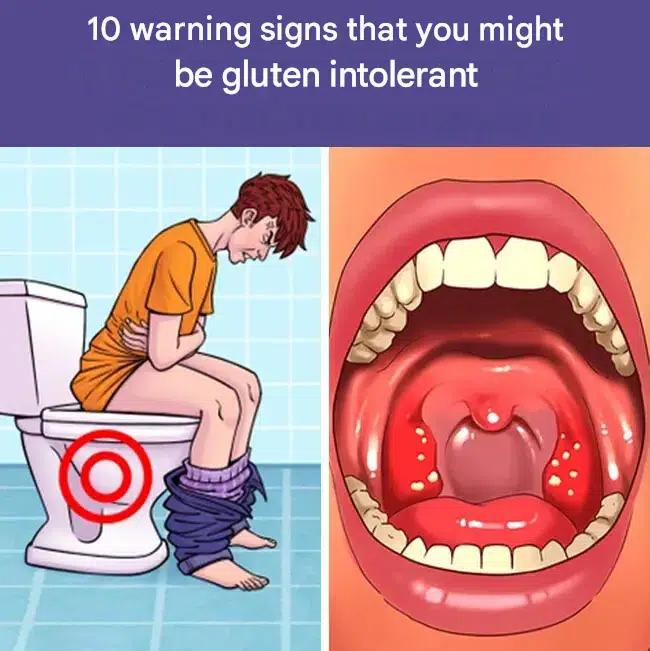
1. Chronic Digestive Issues
- The Sign: Frequent bloating, abdominal pain, gas, diarrhea, or alternating bouts of constipation.
- The Cause: Inflammation in the gut lining interferes with proper nutrient absorption and normal digestion.
2. Unexplained Fatigue and Exhaustion
- The Sign: Feeling persistently tired, sluggish, or experiencing “brain fog” regardless of how many hours you sleep.
- The Cause: Malabsorption of essential nutrients and chronic immune activation drain the body’s energy reserves.
3. Skin Irritation and Rashes
- The Sign: Unexplained itchy skin rashes, eczema flare-ups, or blistering skin conditions (such as dermatitis herpetiformis).
- The Cause: Immune system reactions triggered by gluten can manifest externally through skin inflammation.
4. Frequent Headaches or Migraines
- The Sign: Experiencing recurring, debilitating headaches after eating gluten-containing foods.
- The Cause: Systemic inflammation and nervous system sensitivities can make individuals prone to frequent headaches.
5. Joint and Muscle Pain
- The Sign: Aches, stiffness, or joint discomfort in the fingers, knees, hips, or back without a clear injury.
- The Cause: Generalized inflammatory responses in the body frequently target joints and connective tissues.
6. Mood Changes and Anxiety
- The Sign: Sudden mood swings, irritability, anxiety, or depressive symptoms.
- The Cause: The gut-brain axis plays a massive role in mood regulation; gut inflammation often impacts neurological and psychological well-being.
7. Unexplained Weight Fluctuation
- The Sign: Sudden, unintended weight loss or difficulty managing weight despite normal eating habits.
- The Cause: Damaged intestinal villi struggle to absorb calories and vital nutrients effectively.
8. Iron-Deficiency Anemia
- The Sign: Chronic fatigue, pale skin, weakness, and low iron blood test results that do not improve with supplementation.
- The Cause: Impaired absorption in the small intestine prevents the body from taking in adequate dietary iron.
9. Dental and Mouth Issues
- The Sign: Recurrent mouth ulcers, canker sores, or weakened tooth enamel.
- The Cause: Nutritional deficiencies and autoimmune responses can compromise oral mucosal health.
10. Numbness and Tingling in Extremities
- The Sign: A prickling sensation, numbness, or nerve tingling in the hands and feet.
- The Cause: Long-term vitamin deficiencies (such as vitamin B12) or nerve inflammation associated with untreated gluten sensitivity can affect peripheral nerves.
Medical Wellness, Insurance, and Nutritional Care
Navigating food intolerances requires a proactive approach to healthcare, accurate diagnostic testing, and professional guidance.
Consulting Health Professionals
If you suspect you may have a gluten intolerance or celiac disease, scheduling an evaluation with a primary care physician, gastroenterologist, or registered dietitian is essential before eliminating gluten, as blood tests require an active gluten diet for accuracy. Ensuring your family is supported by comprehensive health and medical insurance policies guarantees access to professional diagnostic panels, specialist care, and personalized nutritional counseling.
Fascinating Facts About Grains and Digestion
- Ancient Crops: Wheat has been cultivated by human civilizations for over 10,000 years, serving as a foundational calorie source throughout agricultural history.
- Intestinal Surface Area: The inner lining of the small intestine features millions of tiny, finger-like projections called villi, which create a surface area roughly the size of a tennis court to maximize nutrient absorption.
- Gluten’s Role in Baking: Gluten proteins act like an elastic network that traps gas produced by yeast, giving bread its chewy texture and structure.
Conclusion
Recognizing the warning signs of gluten intolerance empowers you to take control of your digestive health and overall well-being. By paying attention to how your body responds to food, consulting medical professionals for proper diagnostic testing, and maintaining comprehensive health wellness, you can thrive on a diet tailored to your unique biological needs.
Frequently Asked Questions (FAQ)
1. What is the difference between celiac disease and gluten intolerance?
Celiac disease is a serious autoimmune condition where eating gluten damages the small intestine, whereas non-celiac gluten sensitivity causes similar digestive and systemic symptoms without the same intestinal tissue damage or autoimmune markers.
2. Can I test for gluten intolerance at home?
While commercial sensitivity kits exist, accurate diagnosis of celiac disease requires specific blood antibody tests and sometimes an intestinal biopsy performed by a gastroenterologist.
3. Do I need to stop eating gluten before getting tested?
No. Doctors generally advise keeping gluten in your daily diet leading up to celiac testing, as eliminating it prematurely can cause false-negative test results.
4. What grains contain gluten?
Gluten is found primarily in wheat, barley, rye, triticale, and derivatives like spelt, kamut, and farro. Naturally gluten-free grains include rice, quinoa, corn, and oats (if certified uncontaminated).
5. When should I see a doctor about digestive discomfort?
If you experience chronic abdominal pain, severe bloating, unexplained weight loss, or persistent fatigue, you should schedule an evaluation with a healthcare professional promptly.
