
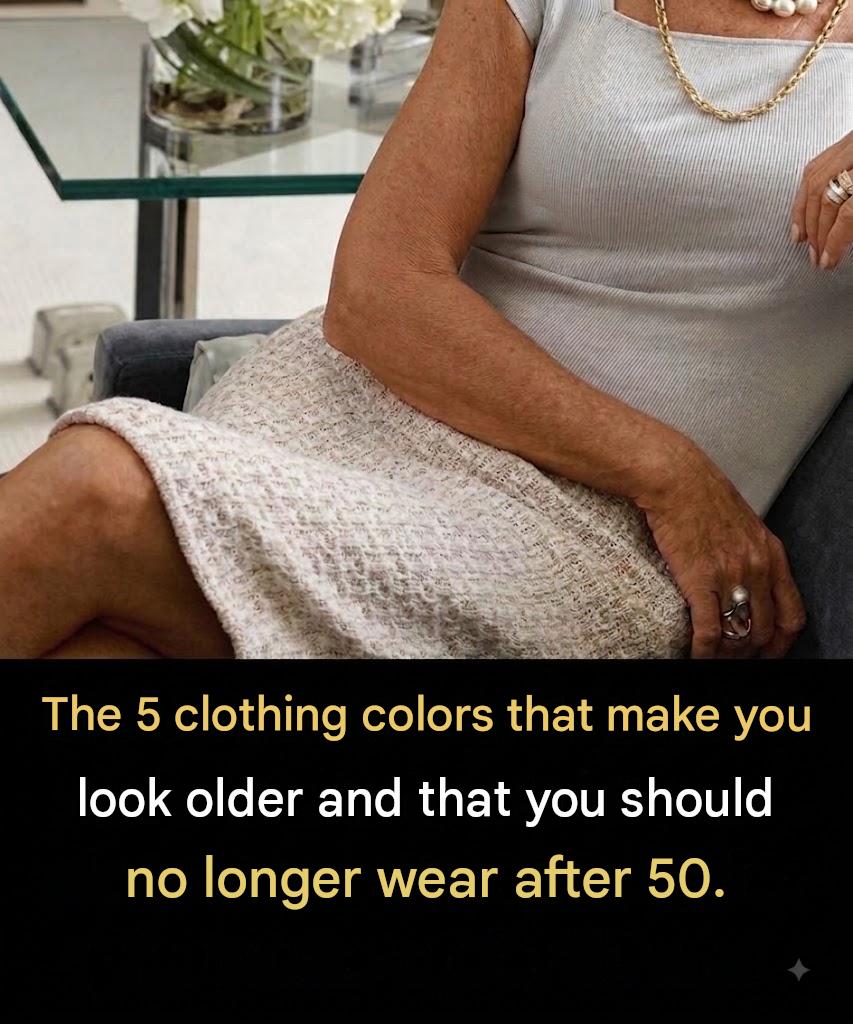
As personal style evolves over time, color choices play a central role in how vibrant, fresh, and polished an outfit appears. While fashion rules have become increasingly fluid and expressive, image consultants and wardrobe stylists often point out that certain shades can inadvertently highlight fine lines, wash out natural undertones, or cast dull shadows on mature complexions.
Navigating fashion after 50 is not about restrictive rules—it is about choosing hues that complement changing hair tones, enhance natural skin radiance, and boost personal confidence.
In this comprehensive image and fashion guide, we will analyze five clothing colors that often age mature skin, explore modern color analysis principles, review budget-conscious wardrobe management, and provide practical styling tips for building a timeless, flattering closet.
5 Colors That Can Accentuate Aging and How to Swap Them
Understanding how light reflects off different fabrics and colors helps in curating outfits that enhance your natural features.
1. Harsh Jet Black Near the Face
While black is a timeless wardrobe staple, solid jet black worn directly under the chin can cast harsh shadows on the neck and jawline, accentuating dark under-eye circles and fine lines.
- The Smart Swap: Transition to softer deep neutrals such as rich charcoal gray, deep navy blue, or dark chocolate brown. These shades offer the slimming, formal elegance of black without harsh facial shadows.
2. Dull Muted Beige and Muddy Taupe
Muted beige tones that lack warmth can wash out mature complexions, causing the skin tone and outfit to blur together into a monochrome, drained appearance.
- The Smart Swap: Opt for luminous warm neutrals like creamy ivory, warm camel, soft champagne, or rich oatmeal.
3. Overly Bright Neon Shades
Super-saturated electric pinks, neon greens, and harsh highlighter yellows can overpower natural skin tones, drawing attention away from the wearer and making an ensemble appear out of balance.
- The Smart Swap: Choose jewel tones such as emerald green, sapphire blue, rich ruby, or deep magenta. Jewel tones provide vibrant color payout while complimenting silver, gray, or warm hair tones.
4. Cold Pastel Yellow and Washy Lavender
Pale, cool-toned pastels often lack the depth needed to illuminate mature skin, sometimes giving the complexion a sallow or pale cast.
- The Smart Swap: Replace washed-out pastels with warmer, richer variations like mustard gold, warm coral, lilac, or soft rose pink.
5. Flat Muddy Olive Green
Certain undertones of brownish-olive green can reflect greenish-yellow tints back onto the face, dulling natural cheek color and exaggerating redness.
- The Smart Swap: Transition toward crisp forest green, jade, or vibrant sage green, which bring out natural skin warmth and eye color.
Color Theory and Undertones After 50
Determining whether your skin has warm, cool, or neutral undertones ensures your wardrobe choices harmonize with your natural complexion.
- Cool Undertones: Skin with pink or bluish undertones pairs exceptionally well with cool navy, berry shades, crisp whites, and silver jewelry.
- Warm Undertones: Skin with golden, peach, or yellow undertones shines in warm creams, terracottas, rich olive shades, and gold accessories.
- Hair Color Shifts: As natural hair transitions to silver, gray, or white, softer and cooler jewel tones often become more flattering than the muted earth tones worn in earlier years.
Financial and Smart Wardrobe Planning
Building an age-defying wardrobe does not require discarding your entire closet or spending lavishly on luxury brands.
- Focus on Quality Basics: Invest in high-quality outerwear, tailored blazers, and structured trousers in flattering base neutrals like navy and camel.
- Incorporate Color with Accessories: Introduce new seasonal colors cost-effectively through scarves, statement necklaces, handbags, or footwear before committing to major clothing pieces.
- Budget-Friendly Color Testing: Test different shades near your face in natural light before buying, or consult capsule wardrobe guides to ensure versatile pairing across existing garments.
Practical Styling Tips for Mature Elegance
- Mix Textures: Combine soft knits, structured wools, and silk camisoles to add dimension to monochromatic outfits.
- Adjust Necklines: V-neck, scoop, and cowl necklines create visual space around the face, allowing brighter colors underneath to illuminate your skin.
- Tailoring Matters: Proper fit elevates any color. Tailoring clothes to sit comfortably at the shoulders and waist provides an instant youthful silhouette.
Conclusion
Fashion after 50 is about celebrating individuality with colors that bring out your natural glow. By swapping out harsh or dulling tones for rich jewel hues, warm creams, and flattering soft neutrals, you create a chic, timeless wardrobe that reflects confidence and style at every stage of life.
Frequently Asked Questions (FAQ)
Can women over 50 still wear black clothing?
Yes, absolutely. To wear black flatteringly, keep it away from the immediate neck area by opting for lower necklines, adding a warm-toned scarf, or layering with a brightly colored jacket or blouse underneath.
What is the most flattering color for gray or silver hair?
Jewel tones such as sapphire blue, emerald green, deep plum, and crisp true blue pair exceptionally well with gray and silver hair, creating a striking contrast.
How do I figure out if my skin undertone is warm or cool?
Check the veins on your inner wrist in natural light. Blue or purple veins usually indicate cool undertones, while greenish veins suggest warm undertones. If you see a mix of both, you likely have neutral undertones.
