
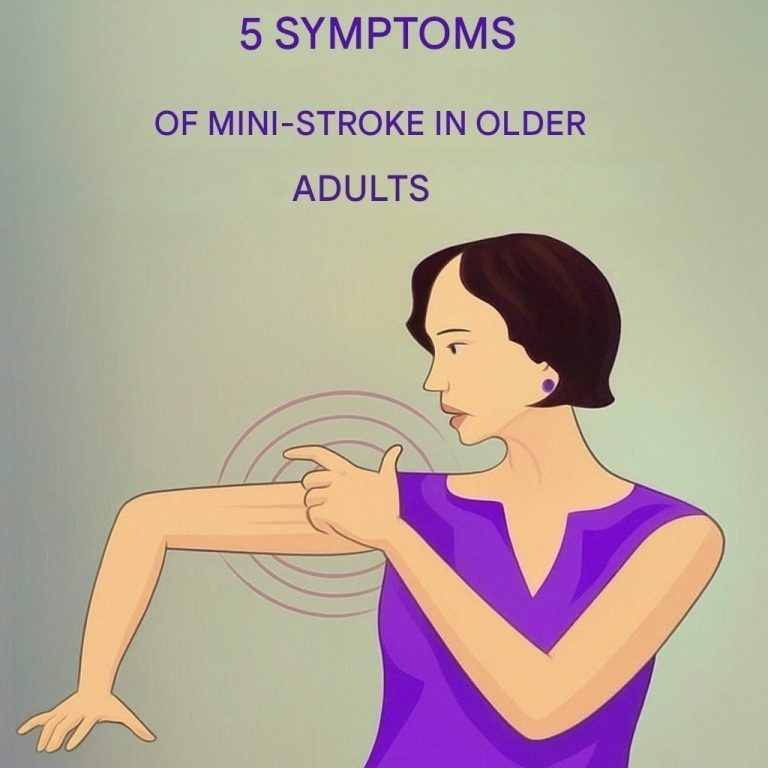
od flow to part of the brain is temporarily interrupted. Its symptoms may disappear within minutes or hours, but that does not make the event harmless.
A TIA can be an early warning of a future stroke. It is also impossible to determine at home whether sudden neurological symptoms are caused by a TIA or a full stroke. For this reason, every suspected TIA must be treated as a medical emergency—even if the person quickly feels normal again.
## 1. Sudden Weakness or Numbness on One Side
One of the most recognizable warning signs is sudden weakness or numbness affecting one side of the body. It may involve the face, arm, leg, or a combination of these areas.
Possible signs include:
* One side of the face drooping
* An uneven smile
* Difficulty lifting or keeping one arm raised
* A suddenly weak or heavy leg
* Numbness on only one side of the body
* Unexpectedly dropping an object
These changes can be mild and may last only a short time. However, brief symptoms still require emergency evaluation.
## 2.
udden Difficulty Speaking or Understanding Others
A TIA may temporarily affect the areas of the brain involved in communication. The person might know what they want to say but be unable to express it clearly.
Watch for:
* Slurred or unclear speech
* Using inappropriate or confused words
* Difficulty forming a simple sentence
* Trouble understanding spoken language
* Suddenly becoming unable to respond
* Appearing confused during an ordinary conversation
Ask the person to repeat a simple sentence. If their speech sounds unusual or they cannot complete the request, contact emergency services immediately.
Do not assume that confusion or unusual speech is simply part of aging, fatigue, or a medication side effect when it appears suddenly.
## 3. Sudden Changes in Vision
A mini-stroke can interfere with the brain’s visual pathways or the blood supply to the eye. Vision problems may affect one or both eyes.
Symptoms can include:
* Sudden blurred vision
* Double vision
* Partial or complete loss of sight
* A dark area or “curtain” across the visual field
* Difficulty seeing objects on one side
* New trouble judging distance
Even when vision returns quickly, urgent medical assessment is necessary. A routine appointment with an eye specialist is not an appropriate substitute for emergency care when the change begins suddenly.
