
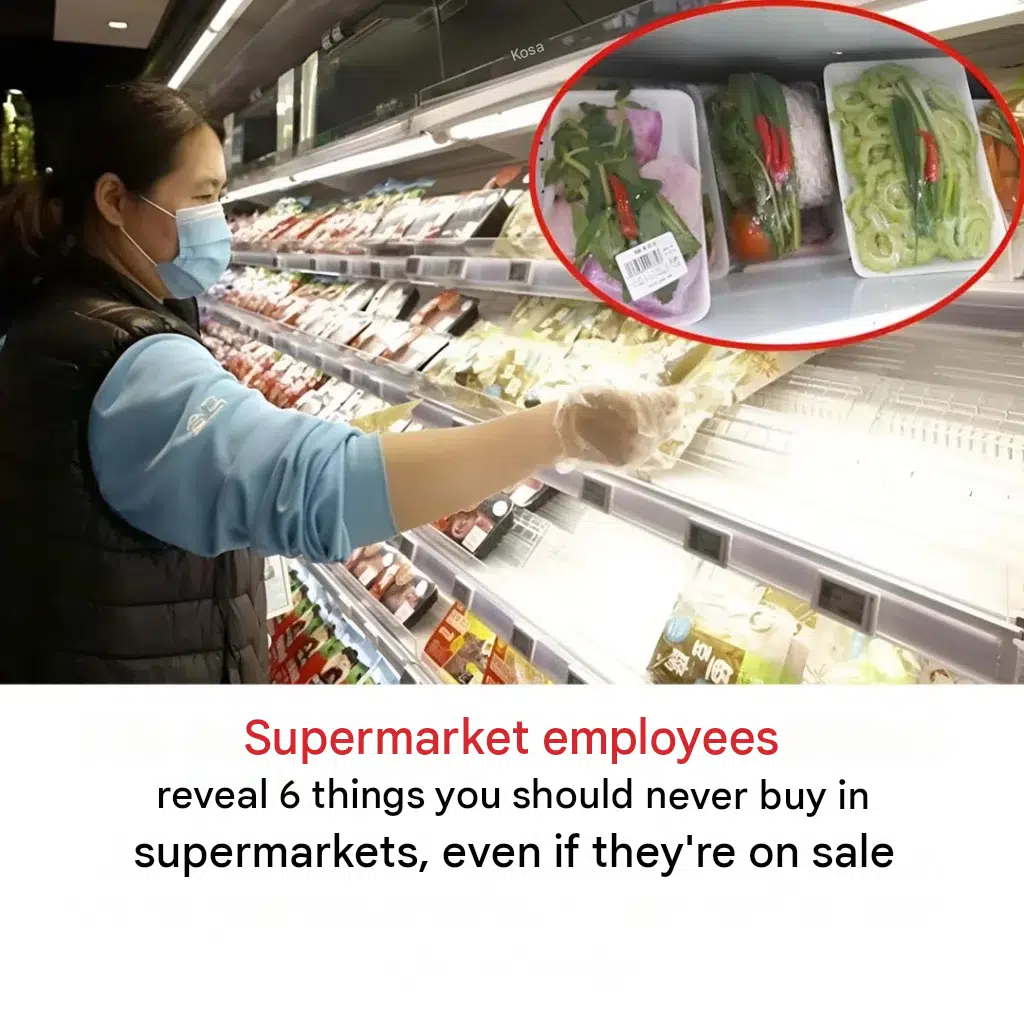
When walking down the brightly lit aisles of a local supermarket, picking up groceries seems like a straightforward weekly chore. From fresh produce and packaged meals to household essentials, we trust that everything displayed on the shelves is fresh, high quality, and fairly priced. However, grocery store insiders, department managers, and former employees frequently share surprising behind-the-scenes insights that reveal how supermarkets manage inventory, reduce food waste, and market discounted goods.
Understanding retail marketing strategies, food safety practices, and smart budgeting helps shoppers make informed choices. In this comprehensive article, we explore six specific items that supermarket insiders advise never putting in your cart—even when they are heavily discounted on sale—alongside smart financial and health tips for your next grocery trip.
1. Pre-Cut Fresh Produce and Salad Kits
One of the most common conveniences found in the produce section is plastic clamshell containers filled with pre-sliced melon, chopped celery, peeled carrots, and ready-to-eat salad kits. While these convenience items save time in the kitchen, employees warn against buying them.
- Rapid Nutrient Loss: Once fruits and vegetables are sliced or peeled, their internal flesh is exposed to oxygen and light, accelerating the degradation of vital vitamins and nutrients.
- Bacteria and Moisture Risks: Enclosed plastic packaging traps moisture, creating an ideal breeding ground for bacteria like E. coli or Listeria if the produce is not consumed immediately. Furthermore, supermarkets often use pre-cut produce as a way to salvage fruits and vegetables that are starting to bruise or spoil on regular shelves.
2. Pre-Packaged Mixed Meat and Stir-Fry Trays
In the meat and poultry department, you will often find discounted trays containing mixed cuts of meat bundled with pre-sliced vegetables, marinades, or herbs intended for quick stir-fries.
- Hidden Expiration Dates: Retailers frequently bundle older cuts of meat nearing their expiration date with fresh vegetables or sauces to mask discoloration and entice budget-conscious shoppers with sale stickers.
- Uneven Cooking and Quality: Different cuts of meat require different cooking times. Pre-packaged mixed trays often combine uneven cuts that dry out or cook improperly, compromising both flavor and food safety.
3. Pre-Grated Cheese in Plastic Bags
Bagged shredded cheese is a staple for quick taco nights and baked casseroles, but grocery dairy staff suggest sticking to blocks of cheese instead.
- Anti-Caking Additives: To prevent shredded cheese strands from sticking together inside the bag, manufacturers coat them with powdered cellulose (wood pulp) or potato starch. This coating alters the natural texture and prevents the cheese from melting smoothly.
- Higher Cost per Ounce: You pay a significant markup for the convenience of factory grating, making pre-shredded cheese much more expensive per ounce than shredding a fresh block yourself at home.
4. Ground Meat Bundles and “Family Packs”
Buying bulk family packs of ground beef, pork, or turkey can seem like a great way to save money on weekly household budgeting, but butcher counter workers advise caution.
- The Grind Source: Pre-ground meat is often assembled from trimmings and leftover cuts collected from various parts of multiple animals, increasing the surface area exposure to bacteria.
- Rapid Spoilage: Ground meat spoils much faster than whole cuts of steak or roast. Buying large discounted bundles often leads to food waste if the meat is not cooked or frozen immediately.
5. Pre-Marinated and Flavored Meats
Ready-to-cook marinated chicken breasts, seasoned pork chops, and flavored kebabs look appealing when marked down on sale racks.
- Masking Aging Ingredients: Supermarkets frequently use heavy, sodium-rich marinades and strong spices to disguise meat that is past its prime freshness date.
- Excessive Sodium and Additives: Commercial marinades are packed with high amounts of sodium, preservatives, and artificial flavorings that can undermine healthy dietary goals.
6. Bakery Items Made with Expiring Ingredients
In-store bakery sections often feature discounted day-old pastries, muffins, and prepared cakes.
- Recycled Inventory: Bakeries sometimes repurpose day-old baked goods, muffins, or bread into new items like bread puddings or cake pops, making it difficult to track actual ingredient freshness.
- High Sugar and Preservative Content: Heavily discounted baked goods are often loaded with refined sugars and artificial preservatives designed to extend shelf life rather than provide nutritional value.
Financial, Legal, and Consumer Considerations
Navigating supermarket sales involves understanding retail economics and consumer rights:
- The Psychology of Sales: Retailers use bright yellow sale signs to create a sense of urgency, encouraging shoppers to buy items they do not actually need simply because they appear discounted.
- Food Safety Regulations: Grocery stores must adhere to strict local health department codes regarding expiration dates, refrigeration temperatures, and sanitation practices to protect consumers from foodborne illnesses.
Essential Grocery Shopping Tips
To save money and protect your health during your next supermarket visit, keep these practical guidelines in mind:
- Inspect Packaging Carefully: Check clear plastic wraps and seals for condensation, punctures, or pooled liquids before placing items in your cart.
- Shred Your Own Cheese: Buy blocks of natural cheese and grate them at home to save money and avoid chemical anti-caking agents.
- Shop the Outer Aisles: Focus your shopping trip on the perimeter of the supermarket (fresh produce, butcher counters, dairy) where whole, unprocessed foods are typically stocked.
Fascinating Facts About Supermarket Layouts
- The “Gruen Effect”: Retail psychologists study how store lighting, music, and layout design induce impulsive shopping behavior, leading customers to purchase items on sale that weren’t on their original grocery list.
- Inventory Rotation: Supermarkets use a system called FIFO (First In, First Out), placing older items at the front of shelves and fresher stock in the back.
Conclusion
While supermarket sales and discounted items can occasionally offer genuine savings, grocery store insiders remind shoppers to look past the red and yellow price tags. By avoiding pre-cut produce, bulk ground meat bundles, and pre-marinated items, you can protect your family’s health, reduce food waste, and make smarter choices on your next shopping trip.
Frequently Asked Questions (FAQ)
Are pre-cut vegetables unsafe to eat?
Pre-cut vegetables are not inherently unsafe if kept properly refrigerated, but they spoil much faster than whole vegetables and have lost a portion of their nutritional value due to oxidation.
Why do supermarkets discount meat near its expiration date?
Stores offer markdowns on meat nearing its expiration date to clear inventory and recoup costs before the product spoils completely and has to be thrown away.
Is pre-shredded cheese more expensive than block cheese?
Yes. You pay an added convenience markup for pre-shredded cheese, and it often contains starch powders to prevent clumping.
How can I tell if pre-marinated meat is fresh?
It is difficult to assess the freshness of pre-marinated meat because the strong sauces and spices mask discoloration and natural odors. Buying fresh, unseasoned cuts is always safer.
