
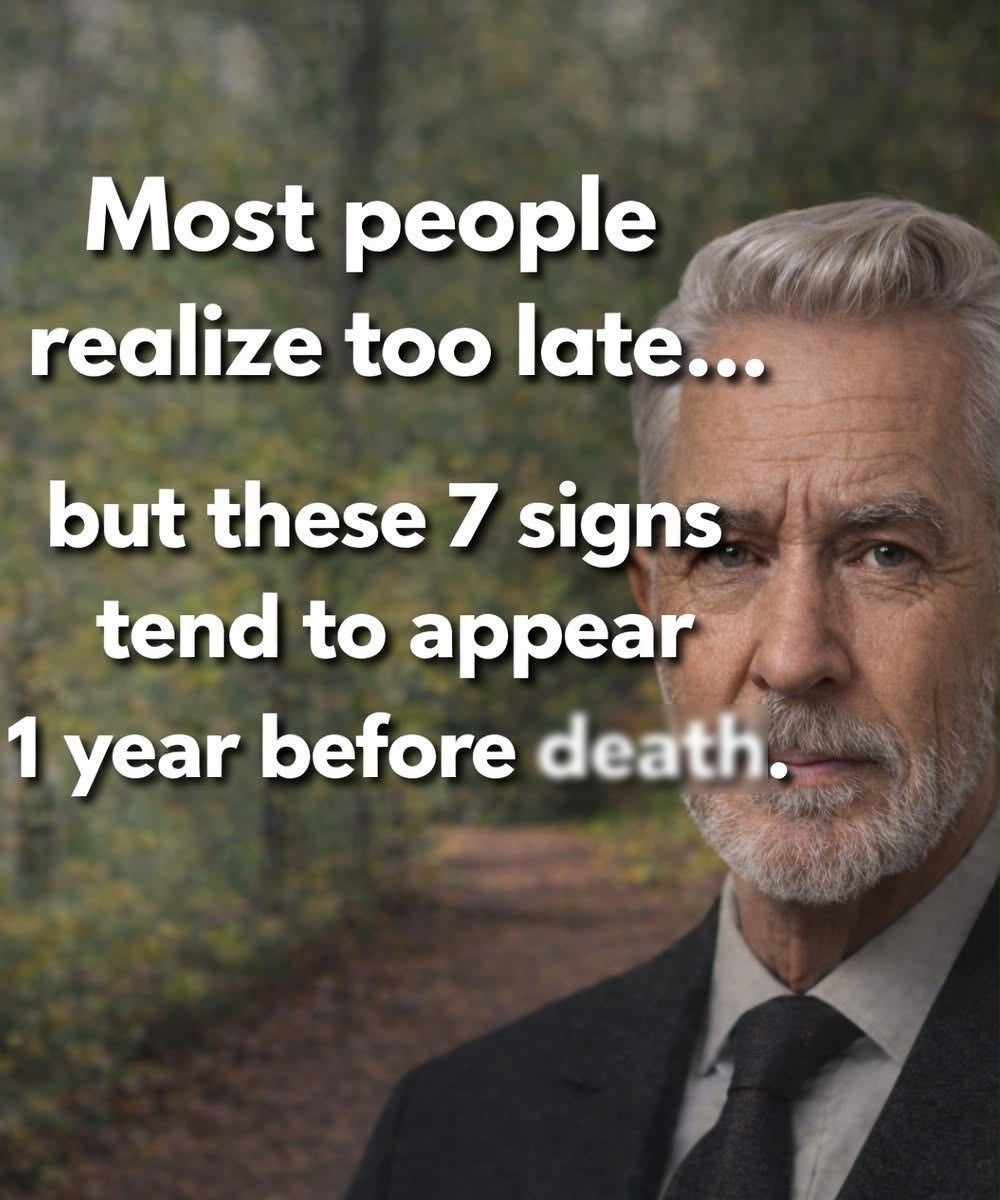
Sensational headlines regarding aging, longevity, and end-of-life health frequently circulate across social media platforms. A widely shared graphic featuring an older man alongside dramatic text reads: “Most people realize too late… but these 7 signs tend to appear 1 year before death.”
While online graphics often use alarming headlines to maximize social media engagement, paying close attention to physiological and cognitive changes as we age is vital for proactive health management. Gradual shifts in energy, mobility, or appetite often indicate treatable underlying medical conditions rather than unavoidable decline. In this medical guide, we explore 7 key physical changes older adults should monitor, preventive screening protocols, health insurance coverage for geriatric care, and healthy aging strategies.
1. Deconstructing the Headline: Understanding Gradual Health Changes
Sensational social media claims often oversimplify complex biological processes:
- Treatable Conditions vs. Terminal Progression: Many gradual physical changes—such as fatigue, unintentional weight loss, or memory lapses—are caused by manageable conditions like thyroid imbalance, nutrient deficiencies, cardiovascular strain, or side effects from medication.
- Proactive Interventions: Early detection of health changes allows medical professionals to adjust treatments, manage chronic conditions, and improve quality of life.
- The Importance of Medical Context: Rather than causing anxiety, subtle body changes should serve as helpful prompts to schedule routine checkups with a primary care physician.
2. 7 Subtle Health Changes to Monitor in Older Adults
Medical professionals recommend monitoring these seven key health indicators to ensure early intervention and proper care:
1. Unintentional Weight Loss and Appetite Changes
- Physical Indicator: Dropping weight without changes in diet or physical activity.
- Underlying Causes: Metabolic shifts, gastrointestinal issues, dental problems, or nutrient absorption changes.
2. Chronic Fatigue and Low Energy Levels
- Physical Indicator: Persistent tiredness that resting does not resolve, making daily tasks difficult.
- Underlying Causes: Anemia, cardiovascular strain, sleep apnea, or hormonal imbalances.
3. Changes in Mobility, Balance, and Gait
- Physical Indicator: Unsteadiness while walking, increased difficulty getting out of chairs, or frequent near-falls.
- Underlying Causes: Muscle mass reduction (sarcopenia), joint degeneration, neurological changes, or inner ear issues.
4. Cognitive Lapses and Increased Confusion
- Physical Indicator: Frequent disorientation, difficulty managing routine tasks like paying bills, or notable short-term memory lapses.
- Underlying Causes: Vitamin B12 deficiency, medication interactions, thyroid dysfunction, or early cognitive impairment.
5. Persistent Shortness of Breath (Dyspnea)
- Physical Indicator: Feeling winded after light activity, such as walking across a room or climbing a short flight of stairs.
- Underlying Causes: Cardiovascular conditions, reduced lung capacity, chronic obstructive pulmonary disease (COPD), or fluid retention.
6. Changes in Sleep Patterns and Circadian Rhythm
- Physical Indicator: Severe insomnia, waking frequently during the night, or excessive daytime sleepiness.
- Underlying Causes: Sleep apnea, chronic pain, restless leg syndrome, or neurological shifts.
7. Social Withdrawal and Mood Shifts
- Physical Indicator: Loss of interest in long-held hobbies, pulling away from social interactions, or ongoing feelings of apathy.
- Underlying Causes: Depression, chronic pain, unaddressed hearing loss, or cognitive fatigue.
3. Preventive Screenings and Annual Health Evaluations
Routine medical screenings allow doctors to identify and address health conditions before they progress:
- Comprehensive Blood Panels: Annual blood tests check for anemia, kidney function, liver health, blood glucose, thyroid performance, and essential vitamin levels.
- Cardiovascular Assessment: Regular blood pressure monitoring, cholesterol screenings, and electrocardiograms (ECGs) evaluate heart function and arterial health.
- Cognitive and Functional Exams: Routine annual wellness visits often include standardized cognitive checks and mobility evaluations to track baseline health over time.
4. Health Insurance Coverage, Medicare, and Senior Care
Utilizing healthcare insurance benefits ensures comprehensive access to ongoing medical support:
- Annual Wellness Visits: Medicare Part B and major health insurance plans cover free annual wellness checkups, allowing doctors to build personalized prevention plans.
- Diagnostic Imaging and Lab Tests: Standard health coverage includes physician-ordered blood work, CT scans, MRIs, and bone density tests.
- Specialist Consultations: Insurance policies cover referrals to cardiologists, neurologists, endocrinologists, and geriatric specialists for targeted care.
Fascinating Facts About Human Biology and Longevity
- The Power of Muscle Retention: Engaging in light strength training or resistance exercises in older age helps preserve muscle mass, reducing fall risks by up to 40%!
- Hydration and Energy: Older adults have a lower natural thirst response; mild dehydration is one of the most common, easily reversible causes of fatigue and temporary confusion.
- Social Connection: Strong social ties and community engagement are clinically proven to support cognitive health and extend overall life expectancy.
Frequently Asked Questions (FAQ)
Are these health signs always a indicator of a severe illness?
No. Many common physical changes in older adults are caused by easily treatable issues, such as vitamin deficiencies, minor thyroid imbalances, or medication side effects.
How often should older adults schedule comprehensive health checkups?
Primary care physicians generally recommend a comprehensive wellness exam at least once a year, with semi-annual checkups for individuals managing chronic conditions like hypertension or diabetes.
Does health insurance cover physical therapy for mobility issues?
Yes. Medicare and commercial health insurance plans typically cover physical therapy prescribed by a doctor to help restore balance, strength, and mobility.
Conclusion
Alarming online claims claiming to pinpoint specific timelines before death rely on sensationalism to generate clicks. In reality, paying attention to body changes—such as fatigue, weight shifts, or mobility issues—enables early medical care, effective treatment, and long-term health protection.
