
Doing laundry is an essential household chore that everyone handles on a weekly basis. However, have you ever pulled a load of laundry out of the machine only to find that some garments still have lingering odors, detergent residue, or stubborn stains? Millions of people experience this frustrating issue, often assuming their washing machine is failing or that their detergent is simply not strong enough.
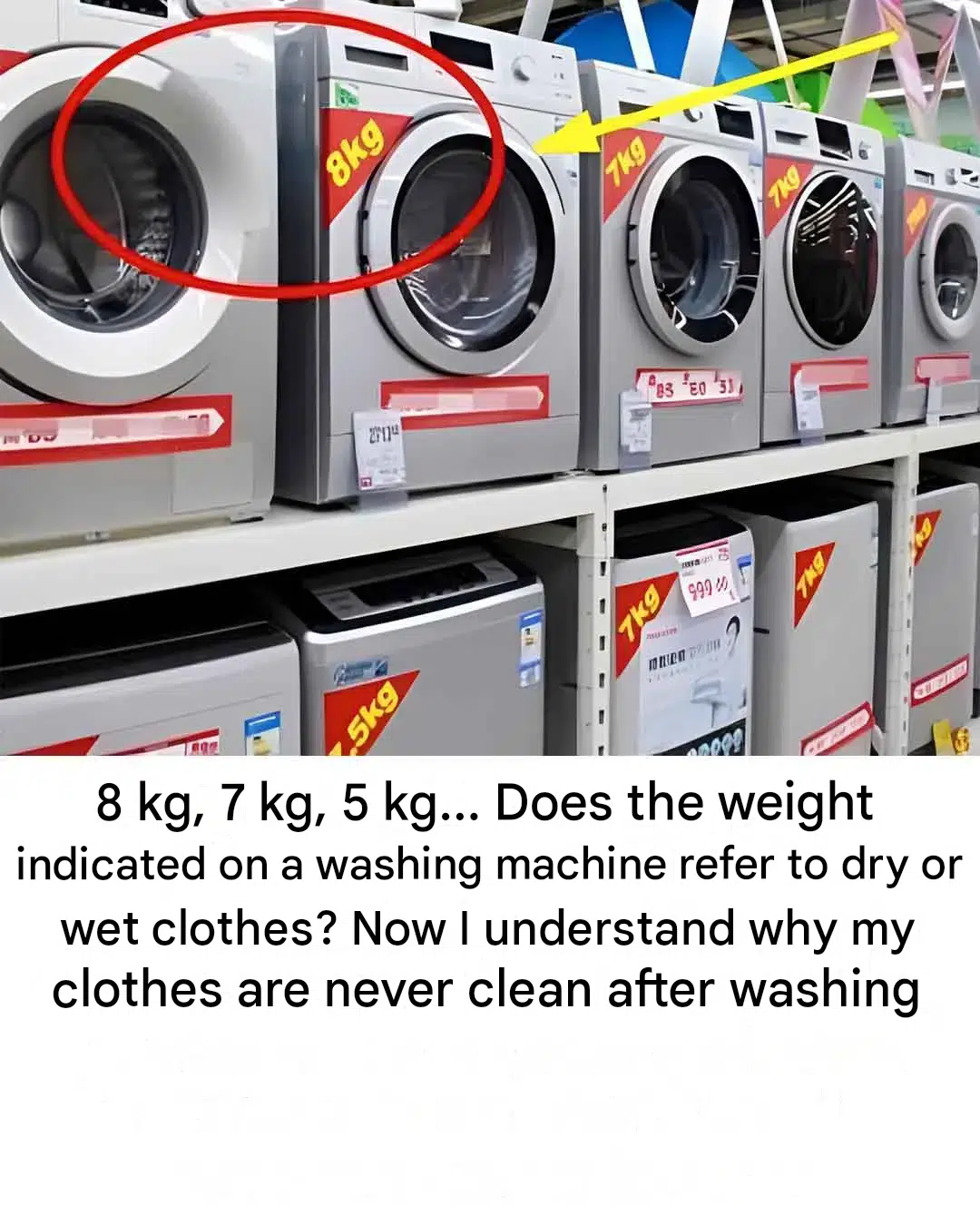
In reality, the culprit behind poorly washed clothes often comes down to a fundamental misunderstanding of how washing machine capacity is measured. When appliance labels advertise an 8 kg, 7 kg, or 5 kg capacity, what does that number actually mean? Does it measure dry laundry before the cycle, or wet laundry after water fills the drum?
In this comprehensive guide, we will uncover the truth behind washing machine weight limits, explore smart laundry practices, review essential home appliance maintenance routines, and discuss how smart household management and appliance insurance protect your financial investments.
The Truth About Washing Machine Capacity Ratings
When manufacturers specify a weight rating for a washing machine—such as 7 kg or 8 kg—that measurement refers exclusively to the dry weight of the laundry load before the cycle begins.
Why This Distinction Matters
Many homeowners mistakenly believe that an 8 kg washing machine can hold 8 kg of wet clothing. Because water adds immense weight to fabrics, 8 kg of dry laundry can easily double or triple in weight once saturated with water.
- Overloading the Drum: If you pack a machine with 8 kg of wet clothes or exceed the dry weight limit, the drum cannot tumble effectively. Clothes simply clump together in the center, preventing water and detergent from circulating freely between fibers.
- Inadequate Rinsing and Cleaning: Without proper tumbling room, detergent residue remains trapped in the fabric, leaving clothes feeling stiff, dingy, or improperly washed.
- Mechanical Strain: Overloading places excessive stress on the washing machine’s motor bearings, drum suspension springs, and drive belt, leading to premature mechanical failure and costly repairs.
Essential Laundry Best Practices and Appliance Care
Optimizing your laundry routine ensures cleaner clothes, fresher garments, and a longer lifespan for your expensive home appliances.
+---------------------------+-----------------------------------+-----------------------------------+
| Laundry Practice          | Primary Benefit                   | Recommended Best Practice         |
+---------------------------+-----------------------------------+-----------------------------------+
| Weighing Dry Loads        | Prevents drum overloading         | Stay within manufacturer dry kg limit|
+---------------------------+-----------------------------------+-----------------------------------+
| Proper Detergent Dosing   | Eliminates residue buildup        | Follow manufacturer guidelines    |
+---------------------------+-----------------------------------+-----------------------------------+
| Drum Maintenance          | Prevents mold, mildew, and odors  | Run monthly hot self-clean cycles |
+---------------------------+-----------------------------------+-----------------------------------+
1. The Palm Rule for Drum Loading
To ensure adequate water circulation and tumbling action, avoid stuffing the washing machine drum to the absolute top. As a general rule of thumb, you should be able to place your hand vertically between the top of the laundry load and the inside of the drum.
2. Routine Machine Cleaning and Maintenance
Washing machines accumulate detergent scum, fabric softener residue, and mildew inside the rubber door seals and hidden drum cavities over time. Running a monthly cleaning cycle with white vinegar and baking soda at high temperatures keeps the interior fresh and hygienic.
Protecting Your Property Investment and Personal Finance
Just as understanding machine capacity protects your laundry equipment from damage, proper household management safeguards your broader financial resources.
Managing Appliance Insurance and Home Warranties
Major household appliances—such as washing machines, dryers, and refrigerators—represent significant financial investments. Maintaining comprehensive home insurance or an extended appliance warranty ensures that unexpected mechanical breakdowns or motor failures do not result in heavy out-of-pocket repair bills.
Budgeting for Home Upgrades
When aging appliances finally reach the end of their operational lifespan, replacing them requires mindful planning. Integrating smart personal finance habits, like maintaining an emergency home maintenance fund, ensures you can upgrade to high-efficiency appliances seamlessly when needed.
Fascinating Facts About Laundry and Washing Machines
- The Evolution of Washing: Early washing machines were entirely manual wooden tubs featuring hand-cranked agitators, contrasting sharply with today’s computerized, high-efficiency digital drums.
- Water Absorption Rates: Different fabrics absorb vastly different amounts of water; towels and heavy cotton garments can hold up to three times their dry weight in water, while synthetic polyester absorbs very little.
- High-Efficiency Detergents: Modern high-efficiency (HE) washing machines require specialized low-sudsing detergents designed to clean effectively using minimal water volumes.
- The First Electric Washer: The first electric-powered washing machine, known as “Thor,” was introduced to the market in 1908, revolutionizing domestic chores forever.
Conclusion
Understanding whether washing machine capacity ratings refer to dry or wet clothes is the key to achieving truly clean laundry. Because capacity ratings measure dry weight, overloading the machine with too many garments prevents proper tumbling, trapping detergent residue and leaving clothes less than pristine.
By following proper load limits, maintaining your appliance regularly, and protecting your household investments through sound financial planning, you can keep your clothes spotless and your washing machine running smoothly for years to come.
Frequently Asked Questions (FAQ)
1. How can I tell if my washing machine is overloaded?
If clothes emerge from the wash cycle tightly twisted into a dense, wet knot, or if you notice dry patches on garments after the cycle finishes, the machine was likely overloaded.
2. Does washing fewer clothes per load save water?
While washing extremely small loads wastes water and energy, filling the drum correctly according to the manufacturer’s dry weight limit ensures optimal water efficiency and cleaning performance.
3. Why do my clothes still smell musty after washing?
Musty odors usually stem from trapped mildew inside the washing machine drum, dirty rubber door gaskets, or leaving wet laundry sitting in the closed drum for too long after the cycle completes.
4. Can overloading break my washing machine?
Yes. Consistently exceeding the maximum dry weight limit places excessive strain on the motor, drum bearings, and suspension springs, frequently leading to expensive mechanical breakdowns.
