
Introduction
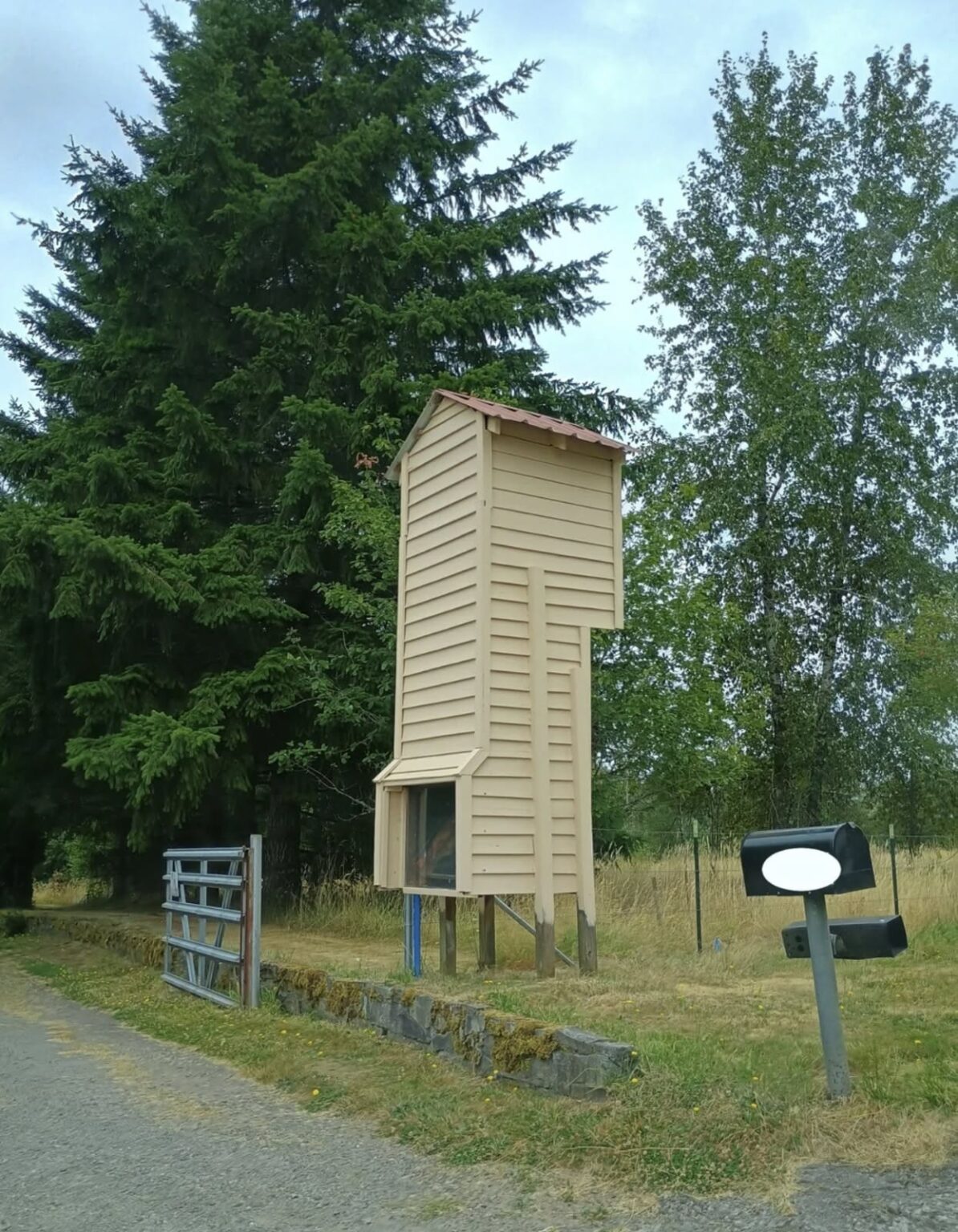
While driving through rural or suburban landscapes, travelers occasionally spot tall, narrow, elevated wooden towers sitting near forest edges or roadways. Standing on posts with horizontal slats and enclosed siding, these unique structures often spark curiosity among passerby.
These specialized structures are elevated bat houses (or bat towers). Specially engineered to mimic the narrow roosting spaces found under natural tree bark, bat houses provide essential roosting habitat for microbat species, supporting local biodiversity and providing natural agricultural pest management.
In this comprehensive wildlife guide, we will explore why bat houses are built, the environmental benefits bats provide, optimal design and placement criteria, and answer frequently asked questions.
1. Why Are Bat Houses Built?
Loss of natural habitat is one of the single largest threats facing bat populations worldwide.
Habitat Loss & Artificial Alternatives
- Deforestation: As mature forests, dead snags, and hollow trees are cleared for housing and agriculture, bats lose their natural roosting sites.
- Roost Exclusion: Modern home construction seals off attics, eaves, and barns, leaving fewer urban shelters for bats to rear their young.
- Disease Protection: Diseases such as White-Nose Syndrome have devastated North American bat colonies. Safe, clean artificial roosting structures give surviving populations a protected space to reproduce during warmer months.
+--------------------------+------------------------------------------------------+
| Threat                   | Impact on Bat Populations                            |
+--------------------------+------------------------------------------------------+
| Deforestation            | Eliminates natural hollow tree roosts and snags.     |
| Building Seals           | Prevents access to traditional attic/barn shelters.  |
| White-Nose Syndrome      | Fungal disease causing widespread colony decline.    |
+--------------------------+------------------------------------------------------+
2. The Ecological Benefits of Local Bat Populations
Despite popular myths, bats are vital contributors to local ecosystems, forestry, and agriculture.
Natural Pest Control
A single insectivorous bat can consume up to 1,000 mosquitoes, moths, beetles, and agricultural pests per hour. By keeping insect populations in check, bats reduce the need for synthetic chemical pesticides on farm crops and around residential neighborhoods.
Soil Fertilization
Bat droppings (guano) are rich in nitrogen, phosphate, and potassium, serving as one of the most effective natural organic fertilizers for soil enrichment.
3. Key Design Features of Successful Bat Houses
Unlike birdhouses, functional bat houses require specific structural elements to attract colonies.
+--------------------------+------------------------------------------------------+
| Structural Feature       | Function & Purpose                                   |
+--------------------------+------------------------------------------------------+
| Narrow Crevices          | 3/4-inch interior gaps trap heat and provide security.|
| Grooved Landing Pads     | Rough wood surfaces allow bats to grip and climb up. |
| High Clearance (10-20 ft)| Provides safe drop-off clearance for launching flight.|
| Solar Exposure           | Keeps nursery chambers warm (85°F to 100°F).          |
+--------------------------+------------------------------------------------------+
Essential Specifications
- Elevation: Mounted at least 10 to 20 feet off the ground to protect bats from ground predators (like cats or raccoons) and give them space to drop down when flying.
- Narrow Internal Crevices: Internal roosting chambers are spaced roughly 3/4 inch apart to mimic peeling tree bark and keep bats warm and secure.
- Rough Interior Surfaces: The interior wood features horizontal grooves or screen mesh so bats can easily grip with their claws.
- Sunlight & Temperature: Placed in locations receiving 6 to 8 hours of direct daily sunlight, maintaining warm internal temperatures necessary for nursing mothers and pups.
Conclusion: Supporting Ecosystem Health Through Wildlife Habitat
Tall roadside bat houses are far more than unusual landmarks—they are critical conservation tools designed to support vital nocturnal wildlife. By offering safe, warm roosting spaces, these towers help rebuild bat populations, reduce reliance on chemical insecticides, and support balanced ecosystems.
The next time you spot one of these elevated wooden towers, you’ll know it’s hard at work supporting local wildlife!
Practical Tips for Installing a Bat House
- Mount on Poles or Buildings: Bat houses mounted on tall wood/metal poles or the side of buildings have significantly higher occupancy rates than those mounted directly on live trees.
- Keep Clear of Obstructions: Ensure a clear flight path within 15 to 20 feet of the entrance landing pad, free from overhanging branches.
- Locate Near Water: Place bat houses within 1/4 mile of a natural water source (stream, pond, or river) for optimal colony adoption.
- Choose Dark Stain for Cooler Climates: In cooler northern regions, paint or stain the outer exterior dark brown or black to absorb maximum sun heat.
FAQ Section
Q: Do bat houses attract bats to live inside human homes?
A: No. In fact, installing a bat house nearby gives local bats a preferred alternative roosting space, keeping them away from attics, walls, and chimneys.
Q: How long does it take for bats to move into a new bat house?
A: It often takes anywhere from a few months up to 2 years for local bats to discover, inspect, and adopt a new artificial roost.
Q: Are roadside bat houses dangerous to people or pets?
A: Not at all. Insect-eating bats are active primarily at night, fly high overhead to forage for bugs, and actively avoid human contact.
