
Introduction
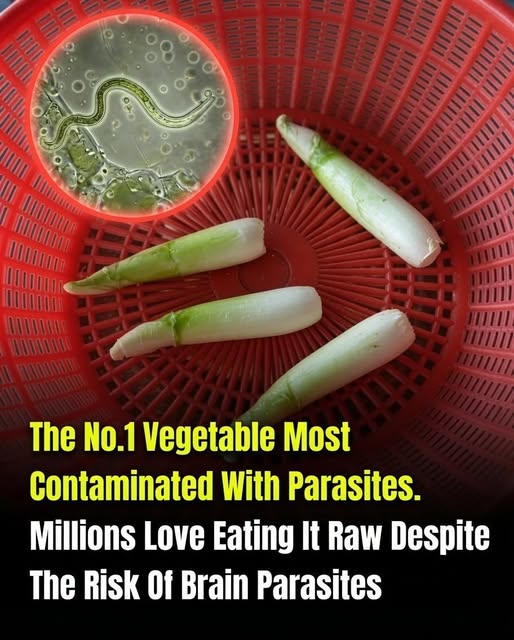
Fresh water bamboo shoots (commonly known as cobia, wild rice stems, or Zizania latifolia) are widely enjoyed across East and Southeast Asian cuisines for their tender texture and mild, sweet flavor. Often served raw in salads or lightly blanched, this aquatic vegetable is a staple ingredient in regional cooking.
However, viral health posts often warn about the risks associated with consuming raw aquatic plants due to microscopic parasites. While claim sensationalism is common on social media, aquatic vegetables grown in stagnant or untreated water—such as water bamboo, water chestnut, and watercress—can indeed harbor parasite larvae if proper food handling guidelines are ignored.
In this food safety guide, we will analyze the parasitic risks associated with aquatic plants, explain the life cycle of dangerous flukes, outline essential hygiene and cooking steps, and answer frequently asked questions.
1. Parasites Associated with Raw Aquatic Vegetables
Aquatic plants grow in wetland environments where parasites naturally thrive in water systems containing freshwater snails.
Primary Parasite Risks
- Fasciolopsis buski (Giant Intestinal Fluke): A large intestinal fluke prevalent in regions of Asia. Encysted larvae (metacercariae) attach to the outer skin and stems of aquatic plants like water bamboo shoots, water caltrops, and water chestnuts. When consumed raw, the cysts release flukes into the human intestinal tract.
- Angiostrongylus cantonensis (Rat Lungworm): While primarily carried by land snails and slugs, parasite larvae can contaminate unwashed produce grown near snail habitats, potentially causing eosinophilic meningitis if ingested.
+--------------------------+------------------------------------------------------+
| Parasite Species         | Primary Source / Host Plants                         |
+--------------------------+------------------------------------------------------+
| *Fasciolopsis buski*     | Water bamboo shoots, water chestnut, watercress.     |
| *Angiostrongylus* spp.   | Unwashed raw vegetables exposed to snail slime.      |
+--------------------------+------------------------------------------------------+
2. Safe Preparation & Cooking Best Practices
Raw aquatic vegetables should always undergo thorough washing and heat treatment to eliminate microbial and parasitic risks completely.
Essential Steps for Safe Consumption
- Peel the Outer Layers: Always peel off the tough green outer skin and protective sheaths of water bamboo shoots, as parasite cysts attach primarily to the exterior surfaces.
- Wash Thoroughly Under Running Water: Scrub peeled shoots under clean running water to remove dirt, sediment, and micro-organisms.
- Cook Thoroughly (Boil or Stir-Fry): Heat is the most effective method to neutralize parasites. Boil water bamboo shoots in boiling water for at least 3 to 5 minutes, or cook them thoroughly in stir-fries, soups, or braises before serving.
3. General Hygiene Tips for Fresh Produce
Maintaining high food safety standards prevents foodborne illnesses when working with fresh root and aquatic vegetables.
- Avoid Eating Aquatic Plants Raw: Always cook water bamboo, water chestnuts, and wild watercress unless sourced from verified hyper-clean commercial hydroponic farms.
- Sanitize Cutting Boards: Wash cutting boards and knives with warm soap and water immediately after prepping raw root or aquatic produce to prevent cross-contamination to ready-to-eat foods.
- Store Properly: Keep unwashed shoots refrigerated in breathable bags and consume within 5 to 7 days.
Conclusion: Enjoy Traditional Delicacies Safely
Water bamboo shoots are a delicious, nutritious vegetable when prepared correctly. By understanding the origins of foodborne parasites and applying basic thermal cooking techniques, you can enjoy traditional Asian produce without compromising your health.
Practice safe food handling, cook your produce thoroughly, and share these vital kitchen safety tips with family and friends!
Practical Culinary & Safety Tips
- Parboil Before Salads: If a cold salad recipe calls for water bamboo shoots, always parboil the peeled shoots first, then plunge them into an ice bath to retain crispness safely.
- Inspect Quality: Choose shoots that feel firm, heavy, and crisp with vibrant white inner flesh free from soft discolored spots.
- Use Separate Utensils: Keep raw produce tools separate from cooked dishes during meal preparation.
FAQ Section
Q: Can washing water bamboo shoots with vinegar kill parasites?
A: No. Cold vinegar washes or quick water rinses are insufficient to destroy encysted parasite larvae (metacercariae). Thermal cooking (boiling or heating above 140°F / 60°C) is required.
Q: What are the symptoms of Fasciolopsis buski infection?
A: Mild infections may be asymptomatic, while severe infections can cause abdominal pain, diarrhea, fever, nausea, and intestinal discomfort. Medical diagnosis and antiparasitic treatments (like praziquantel) resolve the infection effectively.
Q: Are store-bought canned water bamboo shoots safe?
A: Yes. Commercially canned or jarred aquatic vegetables undergo high-heat thermal sterilization during processing, making them completely safe from living parasites.
