
Introduction
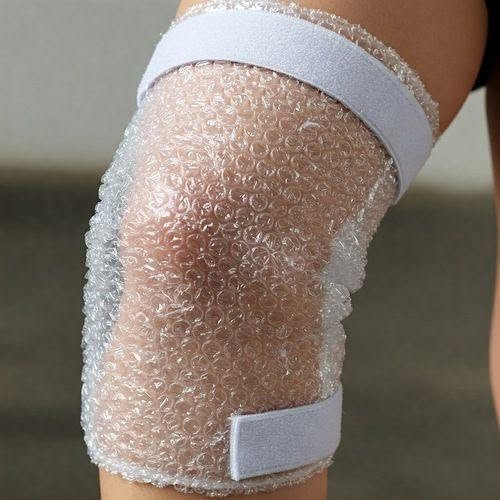
In the world of life hacks and DIY home remedies, people frequently turn to common household materials for unexpected solutions. One viral trend that occasionally pops up on social media feeds depicts bubble wrap converted into a makeshift knee wrap or joint brace using Velcro straps or tape.
While bubble wrap is renowned worldwide as a cushioning packaging material, using it as a body wrap raises questions about its true function, effectiveness, and limitations compared to medical-grade orthotics.
In this wellness and life hack breakdown, we will examine why people use bubble wrap on joints, analyze its thermal insulation capabilities, contrast DIY wraps with medical braces, and answer frequently asked questions.
1. Why Do People Put Bubble Wrap on Joints?
Bubble wrap is not a structural medical support, but its physical properties give it unique temporary uses in specific contexts.
+--------------------------+------------------------------------------------------+
| Intended Mechanism       | Real Physical Effect                                 |
+--------------------------+------------------------------------------------------+
| Shock Absorption         | Minor surface impact defense; no structural stabilization. |
| Thermal Insulation       | Traps body heat close to the skin like a localized sauna. |
| DIY Compression          | Provides light pressure, though elastic neoprene is superior. |
+--------------------------+------------------------------------------------------+
Key Functions and Misconceptions
- Heat Retention (Thermal Effect): The trapped air pockets in bubble wrap serve as an effective thermal insulator. Wrapping bubble wrap around a knee retains body heat, keeping underlying muscles, tendons, and joint fluid warm during chilly outdoor activities or garden work.
- Minor Impact Protection: The air-filled bubbles provide lightweight cushioning against superficial bumps, making it a quirky makeshift knee guard for light kneeling on soft surfaces.
- Lack of Structural Joint Support: Unlike elastic compression sleeves or rigid knee braces, bubble wrap lacks the tensile elasticity required to stabilize ligaments (such as the ACL, MCL, or meniscus) or reduce joint burden during movement.
2. Bubble Wrap vs. Medical Compression Sleeves
Understanding the difference between household hacks and proper orthopedic gear ensures safe joint management.
+--------------------------+------------------------------------------------------+
| Feature                  | DIY Bubble Wrap                        | Medical Compression Sleeve            |
+--------------------------+------------------------------------------------------+
| Material                 | Non-breathable polyethylene plastic   | Breathable elastic weave / neoprene   |
| Primary Benefit          | Heat trapping & minor surface padding | Targeted compression & stability      |
| Breathability            | None (causes sweat accumulation)       | Moisture-wicking & skin-friendly      |
| Structural Support       | Zero ligament stabilization            | Anatomical joint alignment & support |
+--------------------------+------------------------------------------------------+
3. Proper Guidelines for Joint Health & Thermal Therapy
If you are dealing with joint stiffness or discomfort, heat therapy and proper support should be applied safely and effectively.
Best Practices for Warmth & Support
- Use Targeted Heat Packs for Stiffness: For chronic joint stiffness or sore muscles, apply a warm heating pad or warm washcloth for 15 to 20 minutes to promote circulation.
- Opt for Breathable Neoprene Sleeves: If you need heat retention alongside joint support, wear a contoured neoprene knee sleeve designed to trap heat while allowing skin to breathe.
- Apply Ice for Acute Injuries: If a knee injury involves sudden swelling, sprains, or inflammation, apply cold ice packs (R.I.C.E. method) rather than heat.
- Consult a Healthcare Professional: Persistent joint pain, instability, or swelling should always be evaluated by a physical therapist or medical practitioner.
Conclusion: A Novelty Insulation Trick, Not a Medical Brace
While bubble wrap is an ingenious thermal insulator that traps heat effectively, it is a fun life hack rather than a substitute for genuine medical support. For real joint stability, compression, and comfort, investing in dedicated orthopedic gear is always the best choice.
Keep your joints warm, stay active, and choose the right tools for your body’s wellness!
Practical Wellness & DIY Tips
- Avoid Direct Skin Wrapping for Long Periods: Wrapping non-breathable plastic tightly around skin for extended periods can trap sweat and lead to skin irritation or heat rash.
- Use Real Kneeling Pads for Gardening: If kneeling on hard ground, opt for high-density foam kneeling pads or dedicated gel kneepads for superior joint pressure relief.
- Warm Up Before Exercise: Perform 5 to 10 minutes of gentle dynamic warm-ups to naturally increase synovial fluid flow within your joints before physical activity.
FAQ Section
Q: Can wrapping your knee in plastic or bubble wrap help with arthritis?
A: Retaining warmth can help temporarily soothe minor stiffness in arthritic joints by encouraging blood flow, but plastic wraps do not provide the structural compression or support needed to treat arthritis.
Q: Is bubble wrap safe to wrap around skin?
A: Bubble wrap is non-toxic plastic, but because it is completely non-breathable, wrapping it directly against bare skin traps moisture and heat, which can cause skin redness or chafing. Always wear a cloth layer underneath if experimenting with thermal wraps.
Q: What is the best type of knee brace for everyday support?
A: Flexible, breathable elastic or neoprene compression sleeves are best for mild stiffness and daily support, while hinged or stabilized braces are designed for structural ligament injuries under medical guidance.
