
Introduction
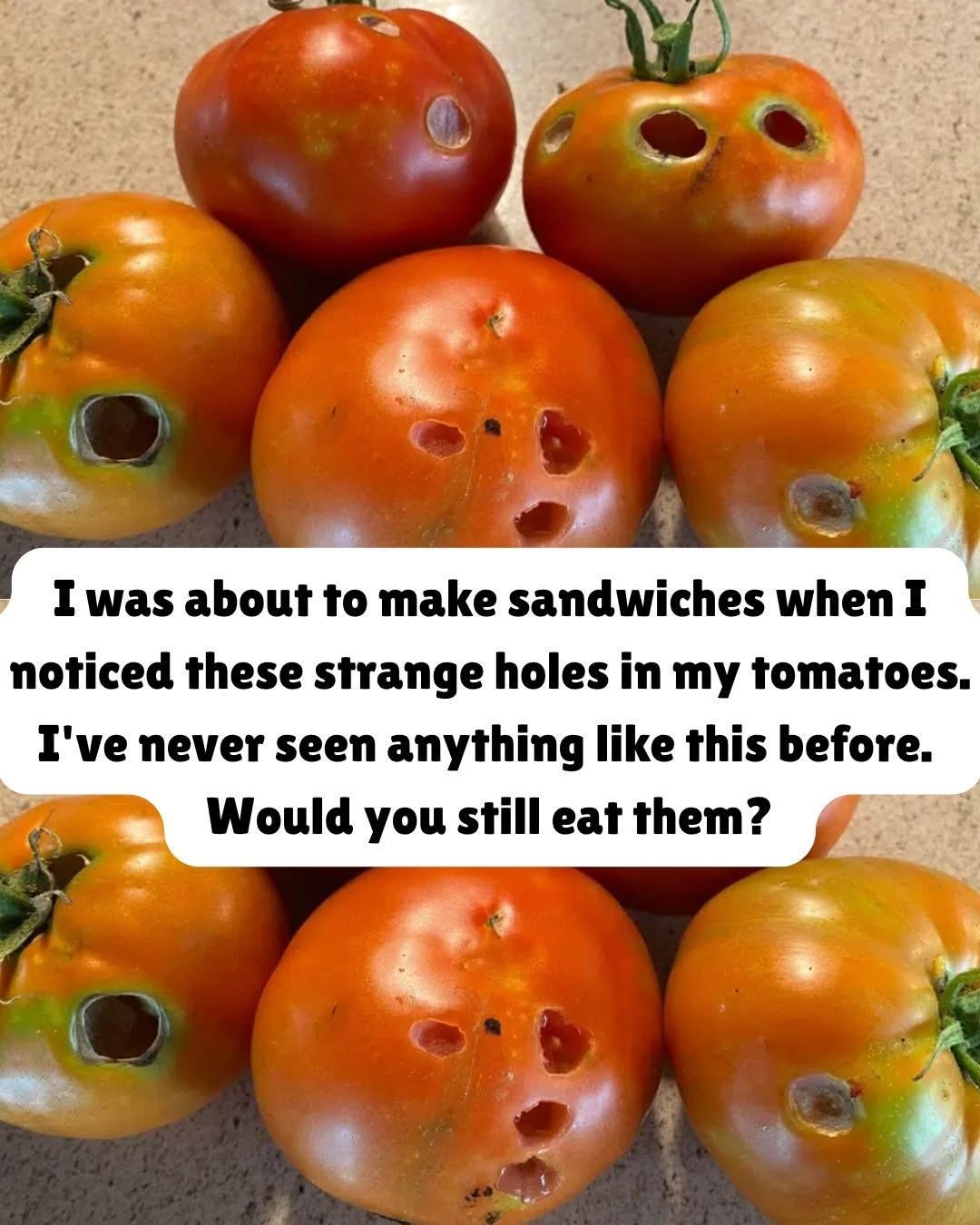
Finding clean, round entry holes in home-grown or freshly picked tomatoes is a common and frustrating issue for home gardeners and cooks alike. While these tomatoes might look perfectly fine on one side, deep punctures or sunken cavitations usually mean an unwanted visitor got to your harvest first.
In most cases, these holes are the work of agricultural pests like the tomato fruitworm (also known as the corn earworm), hornworms, or slugs. Knowing how to identify pest damage helps you protect your garden yield and make informed decisions about food safety.
In this comprehensive gardening and food safety guide, we will break down what causes holes in tomatoes, address whether damage-affected fruit is safe to consume, share effective pest control strategies, and answer frequently asked questions.
1. What Causes Holes in Tomatoes?
Different garden pests create distinct patterns of damage on tomato fruit.
+--------------------------+------------------------------------------------------+
| Pest Type                | Typical Damage Pattern                               |
+--------------------------+------------------------------------------------------+
| Tomato Fruitworm         | Deep, clean, round entry holes near the stem/sides.  |
| Tomato Hornworm          | Large, ragged chew marks on fruit and foliage.       |
| Slugs / Snails           | Irregular, sunken holes near the bottom of fruit.    |
| Birds / Rodents          | Shallow, triangular beak marks or broad bite gouges. |
+--------------------------+------------------------------------------------------+
Common Culinary Pests
- Tomato Fruitworm (Helicoverpa zea): The primary suspect for deep, neat, circular holes. Young larvae bore straight into the interior of the fruit to feed on flesh and seeds, leaving behind frass (caterpillar waste) and internal decay.
- Tomato Hornworm (Manduca quinquemaculata): While hornworms primarily defoliate tomato vines, large caterpillars will gouge substantial open cavities into ripening fruit.
- Slugs and Snails: Slugs target tomatoes hanging low or touching mulch, creating smooth, sunken holes that frequently collect moisture and mold.
2. Food Safety: Can You Eat Tomatoes with Holes?
When deciding whether to consume pest-damaged fruit, food safety and hygiene are paramount.
+--------------------------+------------------------------------------------------+
| Damage Severity          | Consumption Recommendation                           |
+--------------------------+------------------------------------------------------+
| Internal Pest Tunneling  | DISCARD. High risk of secondary bacterial decay.     |
| Shallow External Damage  | CUT AWAY cleanly if damage is strictly superficial.   |
| Mold or Rot Present      | DISCARD entire fruit to avoid toxins.                |
+--------------------------+------------------------------------------------------+
Safety Risks to Consider
- Internal Contamination: When caterpillars bore deep inside a tomato, they leave behind feces and internal damage that accelerates internal rotting and bacterial multiplication.
- Secondary Mold Growth: Open wounds breach the protective outer skin, allowing air borne fungi and bacteria (Salmonella or mold spores) to establish colonies deep within the flesh.
- Best Practice: If a hole goes deep into the fruit core or shows signs of internal softness and decay, it is safest to toss the tomato in the compost rather than risk foodborne illness.
3. How to Protect Your Tomato Crop from Pests
Preventing insect damage early in the growing season ensures a clean, healthy harvest.
Effective Pest Prevention Strategies
- Apply Organic Bacillus thuringiensis (Bt): Bt is a naturally occurring soil bacterium spray that selectively targets leaf-eating caterpillars and fruitworms without harming beneficial pollinators or humans.
- Use Floating Row Covers: Protect young plants early in the season with lightweight mesh barriers to prevent adult moths from laying eggs on tomato foliage.
- Practice Regular Handpicking: Inspect under leaves and near fruit stems during morning hours to manually remove caterpillars and hornworms.
- Mulch and Elevate Stems: Stake or cage tomato plants securely off the ground to prevent ground pests like slugs from accessing low-hanging fruit.
Conclusion: Spot the Damage Early for Better Harvesters
Deep holes in your tomatoes are a clear signal that garden caterpillars or pests have moved in. By keeping plants elevated, monitoring foliage regularly, and applying organic control methods, you can protect your garden yield and enjoy damage-free produce all season long.
Inspect your garden regularly today to safeguard your fresh harvests!
Practical Gardening & Food Safety Tips
- Inspect Stems First: Check around the leafy calyx at the top of the tomato, as fruitworms often enter near the stem where they are hidden from plain sight.
- Attract Beneficial Insects: Plant companion flowers like marigolds and dill to attract parasitic wasps (Trichogramma), which naturally prey on tomato fruitworm eggs.
- Clean Up Fallen Fruit: Remove overripe or rotting fruit from around the base of your plants immediately to avoid attracting additional garden pests.
FAQ Section
Q: What is the insect inside a tomato with a hole in it?
A: The most common culprit is the tomato fruitworm (corn earworm), a yellowish-green or brown striped caterpillar that burrows inside to feed on internal tissues.
Q: Is it safe to cut around a small hole in a tomato?
A: If the hole is very shallow, completely dry, and isolated on the outer surface without internal rot or caterpillar frass, you can cut at least 1/2 inch around the damaged area. However, if the hole penetrates deep into the seed cavity, discard the entire tomato.
Q: Why do fruitworm holes cause tomatoes to rot quickly?
A: Boring insects break the protective skin barrier and transport wild bacteria and fungal spores directly into the moist interior of the fruit, causing rapid fermentation and decay.
