
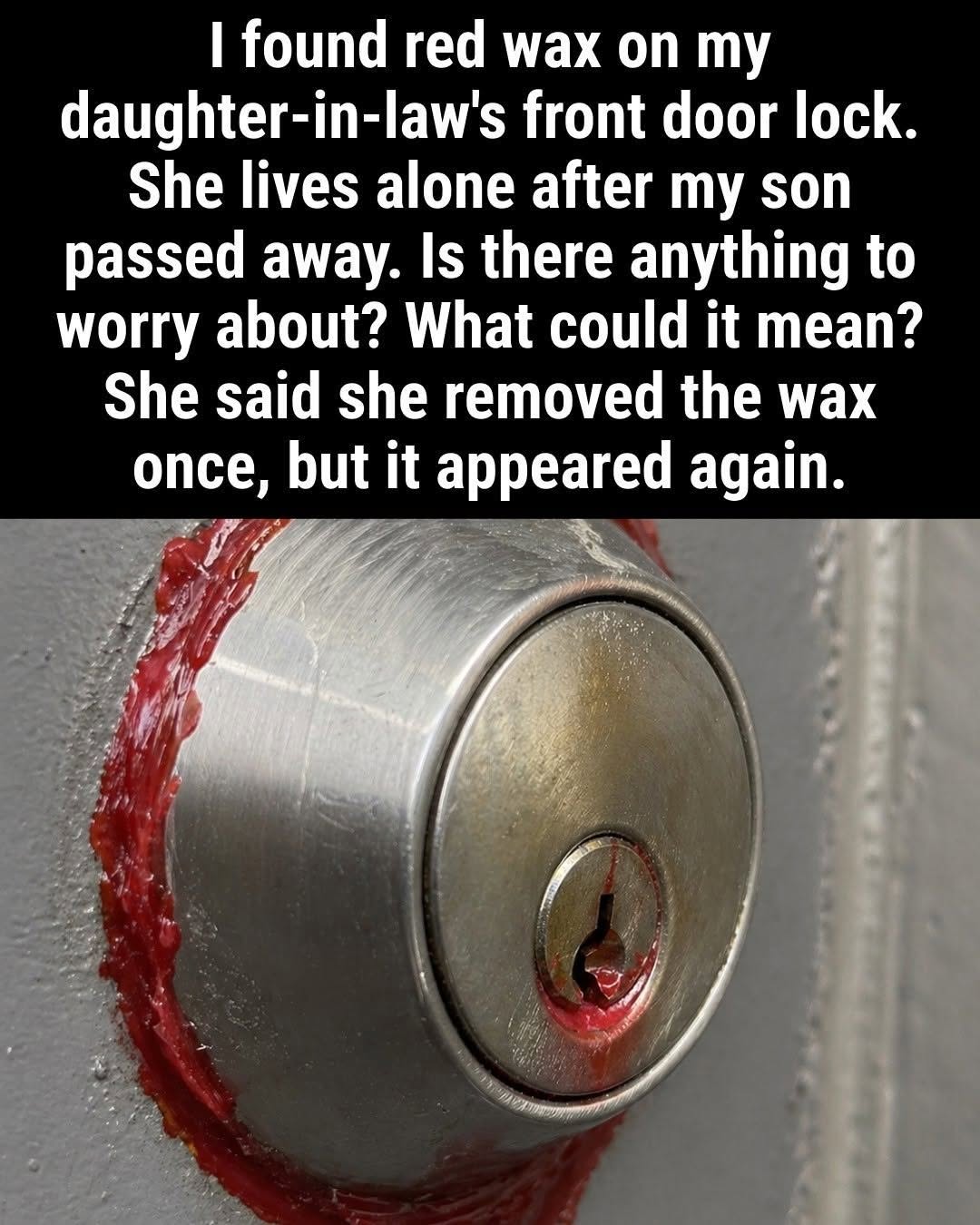
When unusual physical markers appear on a residential property, concern is a natural reaction. This is especially true for vulnerable households, where any unannounced intrusion or mysterious marking can instantly raise alarms regarding personal safety and home security. Recently, a specific scenario has gained traction in community discussions: homeowners or concerned family members discovering mysterious red wax smeared or poured onto front door locks and keyholes, sometimes reappearing even after being cleaned away.
For those unfamiliar with local security threats, neighborhood prank trends, or property maintenance issues, seeing red wax on a lock looks alarming. The immediate questions that arise involve whether it is a sign of criminal intent, a prank, or an odd environmental occurrence. To address this fully, we need to explore residential security practices, criminal marker tactics, legal considerations, and proactive measures homeowners can take to ensure absolute peace of mind.
Understanding the Concerns Behind Doorway Markings
Doorway markers and symbols have long been a subject of both real-world security warnings and widespread urban legends. When a strange substance like wax appears on a deadbolt or keyhole, people often worry about targeted surveillance, burglary tactics, or harassment.
In security discussions, unknown substances on entry points are occasionally used to test whether a home is currently occupied. For instance, if a substance is placed over a lock or doorway and remains undisturbed for days, it signals to an opportunistic intruder that the resident is away on vacation or travel. However, when the substance reappears after being cleaned, it can indicate ongoing harassment, mischievous neighborhood pranks, or specific localized vandalism.
Security Realities and Home Protection Strategies
Ensuring the safety of a residence requires more than just reacting to strange occurrences; it involves establishing a robust multi-layered security framework. Whether a homeowner lives independently or with family nearby, modern property protection relies on a combination of hardware security, situational awareness, and digital monitoring tools.
Key Elements of Residential Security
- Deadbolt Quality: Installing high-grade deadbolts and reinforced strike plates makes forced entry significantly more difficult for potential intruders.
- Surveillance Technology: Utilizing smart doorbells, motion-activated security cameras, and exterior lighting provides constant monitoring and evidence collection.
- Key Control: Changing locks immediately when moving into a new home or after losing keys prevents unauthorized access by former keyholders.
Legal and Financial Considerations in Home Security
When security concerns arise on a residential property, understanding legal rights, liability, and insurance coverage is essential. If mysterious markings on a doorway escalate into harassment, stalking, or property vandalism, documenting the incidents thoroughly is the first step toward legal protection.
Homeowners and tenants dealing with recurring vandalism or trespassing should consider filing a report with local law enforcement to establish an official record. In more complex situations involving ongoing harassment or safety threats, consulting with a qualified attorney or legal services professional can provide guidance on restraining orders, tenant rights, and security mandates. Furthermore, reviewing homeowners or renters insurance policies ensures that property protection and liability coverages are up to date.
For those managing broader financial planning—such as investing in home security system upgrades, smart locks, or property insurance adjustments—balancing safety expenditures with household budgeting is a vital component of long-term property stewardship.
Practical Tips for Responding to Mysterious Property Markings
If you or a loved one discover strange substances like wax, glue, or tape on a front door lock, taking immediate, calm, and strategic action is crucial. Consider these practical steps:
- Document the incident by taking clear photographs of the lock and the surrounding area before cleaning the substance away.
- Remove the wax carefully using warm water and a non-abrasive tool to avoid damaging the lock mechanism or scratching the metal finish.
- Inspect the keyhole to ensure no foreign objects, glue, or broken key fragments have been jammed inside the cylinder to compromise the lock.
- File a report with local law enforcement if the substance reappears, as recurring tampering shifts the situation from a random prank to targeted harassment.
- Install a motion-activated security camera or video doorbell overlooking the front entryway to monitor future activity and deter trespassers.
Interesting Facts About Lock Security and Home Protection
- The pin-tumbler lock mechanism, which is standard in most modern residential deadbolts, was patented in the 19th century and revolutionized home security.
- Security experts recommend inspecting exterior doors and locks seasonally to check for wear, loose screws, or signs of tampering.
- Video doorbells have become one of the most effective crime-deterrent tools in suburban neighborhoods, significantly reducing porch piracy and vandalism.
- Property markers used by transient individuals or criminals have been heavily mythified on social media, though real-world incidents usually point to local vandalism or pranks.
- Modern smart locks allow homeowners to monitor access logs remotely, providing instant smartphone alerts if a door is unlocked or tampered with.
Conclusion
Discovering red wax smeared across a front door lock can be deeply unsettling, particularly for individuals living alone. Whether the occurrence stems from a malicious prank, ongoing harassment, or an attempted security test, taking prompt action—such as documenting the scene, cleaning the lock, installing surveillance cameras, and notifying law enforcement—restores safety and peace of mind. By prioritizing robust home security measures and staying vigilant, residents can ensure their homes remain safe, secure havens.
Frequently Asked Questions
What does red wax on a door lock usually mean?
While it can sometimes be a neighborhood prank or act of vandalism, recurring placement of substances on a lock can also be a tactic used to test if a home is occupied or a form of targeted harassment.
Should I call the police if I find mysterious markings on my door?
Yes, especially if the marking reappears after being removed. Filing a police report creates an official record and alerts local authorities to potential neighborhood security issues.
Can tampering with a lock damage the mechanism?
Yes, foreign substances like wax, glue, or jammed objects can gum up the internal pins of a cylinder lock, making it difficult or impossible to insert a key.
How can I protect my home from recurring tampering?
Installing a high-definition video doorbell, upgrading to a sturdy deadbolt, ensuring good exterior lighting, and monitoring the entryway closely are effective ways to deter tampering.
