
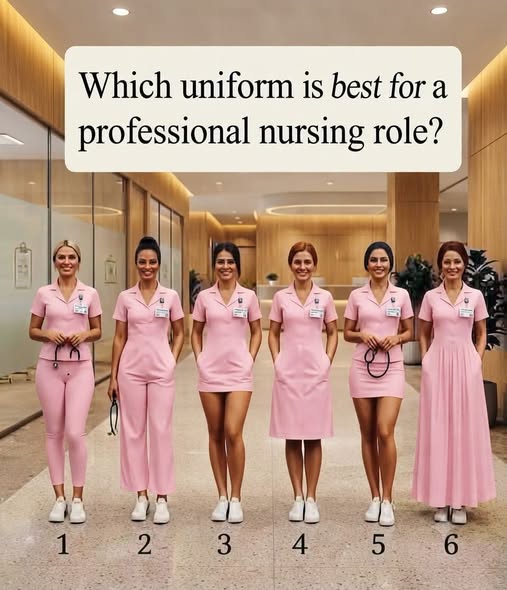
The healthcare industry relies heavily on professionalism, precision, and patient trust. Every element of a nurse’s presentation—from medical competence and bedside manner to professional attire—plays a vital role in establishing credibility. Throughout the history of modern medicine, nursing uniforms have undergone dramatic transformations. From traditional crisp white dresses and caps to modern scrubs, tunics, and specialized medical apparel, what nurses wear has always balanced functionality, hygiene, and institutional standards.
When hospitals, clinics, and long-term care facilities establish dress codes, they must weigh multiple factors, including infection control, physical mobility, professional identity, and patient comfort. With various styles available—ranging from tailored pantsuits to classic dresses—understanding what constitutes the best professional nursing uniform requires examining modern healthcare requirements, ergonomic design, and institutional guidelines.
The Evolution of Nursing Attire and Professional Identity
To understand contemporary medical apparel, it helps to look at how uniforms have evolved over the decades. In the 19th and early 20th centuries, nurse uniforms were heavily influenced by religious and military garb, featuring long dresses, aprons, and caps. These garments were designed to project authority, cleanliness, and dedication.
As medical science advanced and clinical environments shifted toward fast-paced, high-mobility settings, heavy dresses gave way to more practical garments. The introduction of scrubs in the latter half of the 20th century revolutionized the profession, offering lightweight, breathable, and easily washable fabrics that could withstand rigorous sterilization processes. Today, healthcare facilities often permit a broader range of professional styles, provided they meet strict safety and hygiene standards.
Key Elements of Modern Medical Apparel
- Infection Control: Fabrics must withstand industrial laundering and disinfection without degrading or trapping pathogens.
- Ergonomic Mobility: Nurses perform physically demanding tasks—lifting patients, bending, and walking long distances—requiring flexible, non-restrictive tailoring.
- Professional Recognition: Clear identification badges, professional cuts, and standardized colors help patients immediately recognize healthcare providers in chaotic hospital environments.
Health, Legal, and Institutional Standards in Healthcare Dress Codes
Maintaining a standardized dress code in medical facilities is not merely an aesthetic choice; it is deeply tied to patient safety, legal compliance, and liability management. Healthcare administration and human resources departments must enforce policies that minimize infection risks and ensure a professional environment.
For instance, loose garments, dangling accessories, or long trailing skirts can pose tripping hazards or catch on medical equipment during emergencies. Conversely, excessively tight or restrictive clothing can hinder physical movement during critical patient care procedures. Hospitals work closely with legal counsel, risk management teams, and nursing unions to establish clear apparel guidelines that comply with occupational health and safety regulations.
For professionals navigating career advancement, education, or healthcare administration, understanding these operational protocols is essential. Just as financial planning, medical malpractice insurance, and legal compliance protect healthcare practices, maintaining rigorous workplace standards ensures optimal patient outcomes.
Practical Tips for Selecting and Maintaining Nursing Uniforms
Whether you are a nursing student selecting your first set of clinical attire or an experienced professional updating your wardrobe, choosing the right uniform involves practical considerations:
- Prioritize breathable, moisture-wicking fabrics that keep you comfortable through long, high-stress 12-hour shifts.
- Ensure your uniform allows full range of motion for bending, stretching, and rapid movement during emergency responses.
- Check your facility’s specific color codes and dress code policies before purchasing new uniforms to ensure full compliance.
- Opt for garments with secure, functional pockets to hold essential tools like medical shears, pens, notepads, and penlights.
- Wash medical apparel in hot water using specialized detergents designed to eliminate biological contaminants effectively.
Interesting Facts About Nursing Uniforms and Medical History
- The traditional white nursing cap was originally designed to keep long hair neatly contained, but it eventually evolved into a symbol of rank and graduation from nursing school.
- Modern scrubs were originally developed for surgical teams to maintain a sterile operating environment before becoming the universal uniform for general nursing staff.
- Studies in healthcare psychology indicate that professional, well-fitted attire can significantly enhance patient trust and reduce anxiety during clinical interactions.
- Antimicrobial fabrics infused with silver ions or specialized coatings have become increasingly popular in modern medical apparel to inhibit bacterial growth.
- The color blue was widely adopted for scrubs because it reduces eye strain for surgeons operating under harsh overhead operating room lights.
Conclusion
Choosing the best uniform for a professional nursing role goes far beyond personal style—it is about balancing safety, mobility, hygiene, and professional authority. Whether an institution opts for modern tailored scrubs, classic tunics, or professional dresses, the ultimate goal is to facilitate exceptional patient care while maintaining a polished, trustworthy appearance. As the healthcare landscape continues to evolve, medical apparel will undoubtedly adapt to meet the changing demands of modern nursing professionals.
Frequently Asked Questions
Are dresses still worn as professional nursing uniforms today?
While scrubs and pantsuits are the modern industry standard for daily clinical work, some specialized facilities, formal ceremonies, or specific institutional dress codes still permit professional nursing dresses or tunics.
What is the most important feature of a nursing uniform?
Comfort, mobility, and infection-control fabric properties are universally considered the most critical features, as nurses must remain agile and hygienic throughout demanding shifts.
Why do different hospital departments wear different colored uniforms?
Many hospitals use color-coding systems to help patients and staff instantly identify different roles within the facility, such as distinguishing registered nurses from surgical staff, technicians, and administrative personnel.
Are pockets necessary on a nursing uniform?
Yes, functional, reinforced pockets are essential for carrying vital daily tools like stethoscopes, trauma shears, mobile devices, and medical notes.
