
Valentine’s Day is traditionally viewed as a celebration of romance, appreciation, and partnership. However, high expectations surrounding dining out, gift-giving, and romantic gestures frequently transform holiday dates into unexpected stress tests for modern couples. Among the most frequent relationship pain points discussed in modern relationship counseling and online forums is the awkward moment when the check arrives at the table.
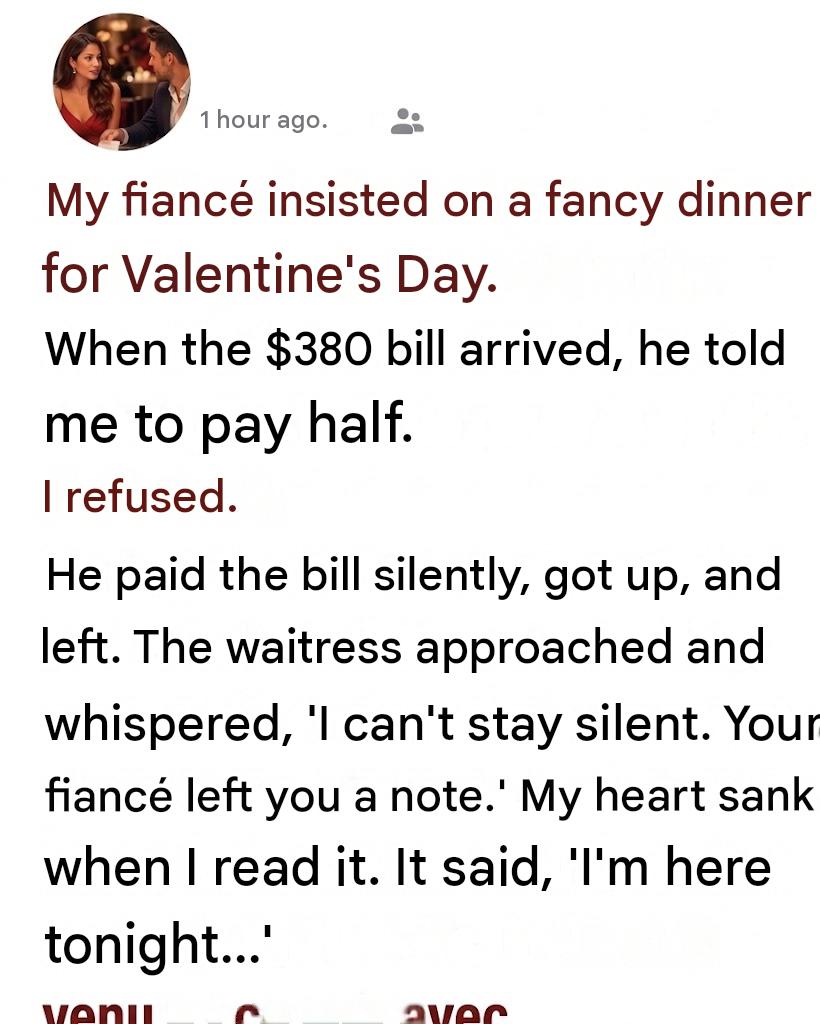
Imagine preparing for a special Valentine’s Day dinner insisted upon by your partner, only to face a staggering $380 restaurant bill and a sudden demand to split it equally down the middle. When one partner refuses, emotions flare, leading to quiet exits, cryptic notes left behind, and a sudden rift in what was supposed to be a romantic milestone.
In this comprehensive lifestyle and relationship guide, we will analyze the dynamics of financial expectations in modern dating, explore how couples navigate shared expenses and romantic etiquette, discuss legal and financial considerations before marriage, and provide actionable advice for resolving communication breakdowns before they endanger your future together.
The Psychology of Financial Disconnects in Relationships
Money remains one of the leading sources of tension, conflict, and divorce among couples worldwide. Disagreements over financial responsibility rarely revolve around currency alone; instead, they reflect deeper underlying beliefs regarding equity, respect, expectations, and personal values.
The Problem of Uncommunicated Expectations
In the scenario depicted, the central conflict stems from an underlying breakdown in clear communication prior to the date:
- The Inviter Principle: Traditional dating etiquette often suggests that the person who insists on a specific venue or plans an lavish outing bears the financial responsibility for hosting, unless agreed otherwise beforehand.
- The “Going Dutch” Shift: Modern relationship dynamics increasingly favor financial equality and 50/50 expense splitting. However, assuming a partner is prepared to split an unexpected $380 bill without prior discussion creates immediate financial pressure.
When one partner forces an expensive choice and unexpectedly shifts half the financial burden onto the other at the last minute, it can feel less like a joint decision and more like a manipulative financial ambush.
Financial Alignment Before Marriage: Essential Considerations for Engaged Couples
Engagement is meant to be a transitional period where two individuals align their personal lives, values, and financial habits before making a legal and emotional commitment. Experiencing major disagreements over dining bills can be a symptoms of deeper financial incompatibility.
1. Assessing Financial Values and Budgets
A $380 dinner bill might represent a minor drop in the bucket for a high-earning professional, but it could equal a significant portion of monthly disposable income for someone managing student loans, mortgage payments, or strict personal savings goals.
Couples must discuss disposable income and dining budgets openly. Expecting a partner to spend money outside their comfort zone without consent shows a lack of empathy for their personal financial boundaries.
2. Legal and Financial Structures in Engagement and Marriage
When couples transition from dating to engagement and legal marriage, individual finances merge into complex legal contracts. Key financial considerations include:
- Premarital Debts and Assets: Pre-nuptial agreements and pre-marital financial counseling allow couples to establish clear boundaries regarding personal loans, credit card debts, investment accounts, and real estate assets before tying the knot.
- Joint vs. Separate Accounts: Deciding whether to operate a shared bank account for household expenses while maintaining individual discretionary accounts requires open, honest dialogue and mutual trust.
- Family Law Considerations: In many legal jurisdictions, marriage legally binds partners to shared financial obligations. Addressing how household bills, dining out, and major purchases are funded early on prevents legal and domestic disputes down the road.
Handling Unexpected Conflict in Public: Communication Strategies
When high-pressure moments occur in public settings like high-end restaurants, reacting with silence, passive-aggressive notes, or abrupt exits often escalates emotional distress.
Why Leaving Cryptic Notes Hurts Trust
Leaving a hidden message or abrupt note via waitstaff rather than communicating directly signals an inability to engage in healthy conflict resolution. Mature relationships require direct, calm, and respectful dialogue, even when facing awkward disagreements over money.
How to Navigate an Awkward Bill Moment Gracefully
If you find yourself in an uncomfortable situation where a surprise bill exceeds your budget:
- Stay Calm and Private: Avoid making a public scene. Address the bill quietly with your partner.
- Express Your Boundaries Clearly: Calmly state, “Because you insisted on this specific place, I wasn’t prepared for a bill this high tonight. Let’s figure out a fair way to handle this together.”
- Handle Emergency Payments: If necessary, cover a portion you can afford or offer to balance the gesture in the future through home-cooked meals or alternate plans, followed by a dedicated conversation at home.
Practical Tips for Building Financial Harmony with Your Partner
Building a healthy relationship requires proactive financial teamwork. Here are practical habits every couple can adopt to avoid money-related conflicts:
- Establish the “Pre-Date Check-In”: Before booking high-end restaurants or weekend getaways, briefly discuss budgets: “Hey, I’m thinking of booking a fancy place for Valentine’s Day. Are we splitting this, or can I treat you?”
- Set Up a Shared “Fun Fund”: Create a dedicated savings account or budgeting pot where both partners contribute an agreed-upon monthly amount for shared dates, travels, and entertainment.
- Practice Regular Financial Transparency: Schedule low-stress monthly “money dates” to review shared financial goals, budget progress, retirement planning, and upcoming holiday expenses together.
Fascinating Facts About Valentine’s Day and Spending Habits
- The Billions Spent on Romance: According to retail and consumer economic surveys, Americans spend over $25 billion annually on Valentine’s Day gifts, jewelry, dining out, and evening experiences.
- Leading Cause of Breakups: Relationship sociologists note a consistent statistical spike in relationship breakups during the weeks immediately surrounding Valentine’s Day and major holidays, largely driven by unmet expectations and financial friction.
- The Rise of “Proportional Splitting”: Modern financial advisors increasingly recommend “proportional expense splitting”—where partners contribute to shared dates and household costs based on their percentage of total household income—rather than strict 50/50 splits.
Conclusion
A romantic Valentine’s Day dinner should strengthen connection, not create emotional distance and financial resentment. While splitting bills and navigating restaurant costs can feel uncomfortable, the real test of a relationship lies in open communication, mutual respect, and financial alignment. By addressing money management openly, setting clear expectations, and prioritizing emotional maturity, couples can build a lasting partnership rooted in real trust and financial harmony.
Frequently Asked Questions (FAQ)
Who should pay for dinner on a date according to modern etiquette?
Modern dating etiquette generally suggests that whoever initiates the invitation and chooses an expensive venue should be prepared to cover the bill or discuss expense splitting in advance. However, established couples should communicate open expectations before making reservations.
Is it a red flag if my partner abruptly walks out over a bill disagreement?
Yes. Leaving a partner alone at a restaurant table after a disagreement demonstrates passive-aggressive behavior, poor conflict resolution skills, and a lack of emotional safety. Healthy partners address disagreements through direct, calm dialogue.
How can couples discuss financial expectations without ruining romance?
Frame financial discussions around shared experiences and respect. Bringing up budgets casually before an outing—such as asking if a place fits your shared goals—shows consideration and prevents last-minute stress on special occasions.
Should engaged couples merge their bank accounts immediately?
There is no one-size-fits-all answer. Many financial planners recommend a “yours, mine, and ours” approach: maintaining individual personal checking accounts while funding a joint account for shared living costs, rent/mortgage, and date night expenses.
