
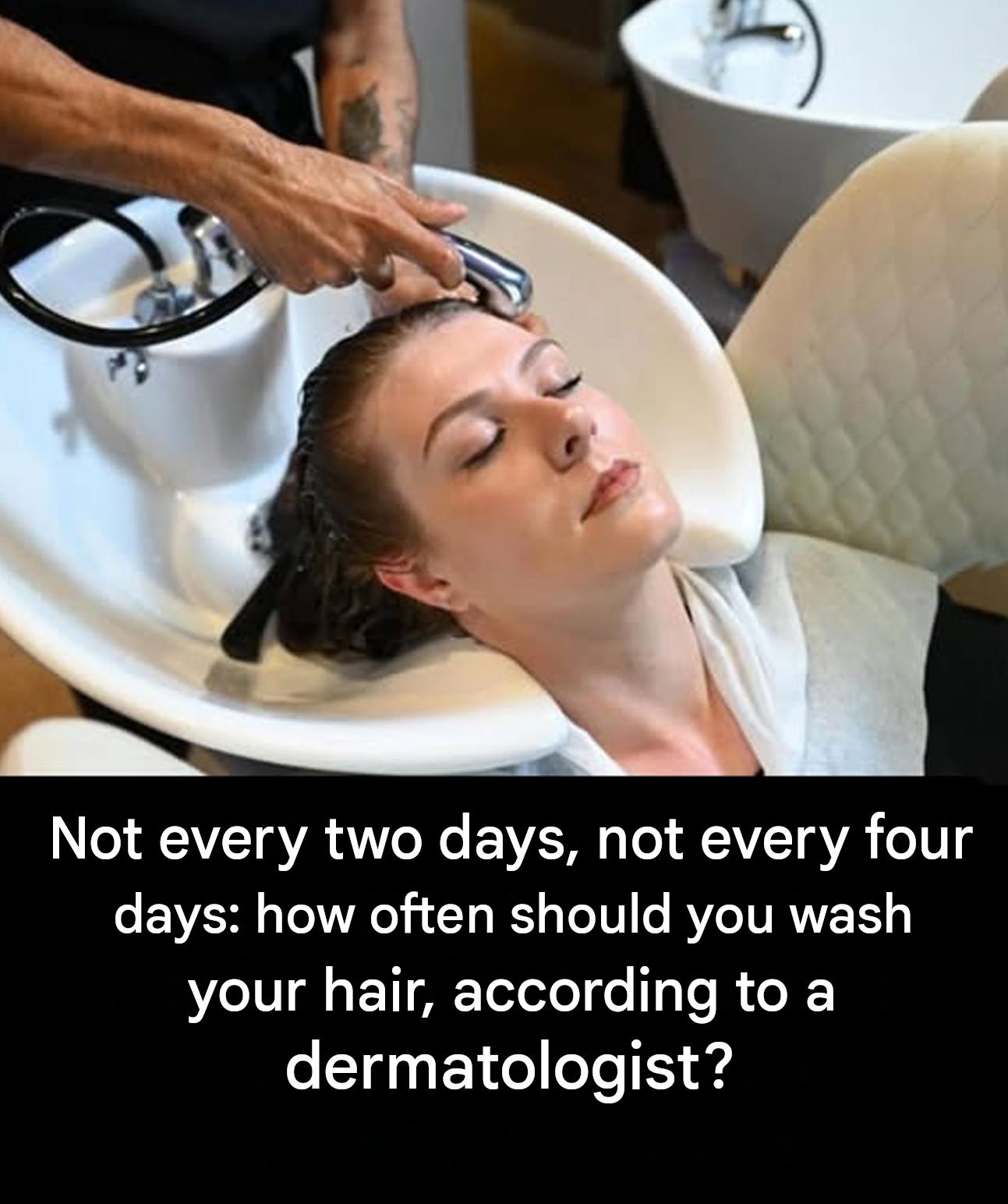
Few hair care topics generate as much debate as optimal hair washing frequency. From trending “no-poo” viral routines to daily washing habits, conflicting advice leaves many people wondering how to keep their hair healthy, clean, and vibrant without causing dry ends or an oily scalp.
According to dermatologists and trichologists, there is no single rule that applies to everyone. The ideal hair washing schedule depends on individual scalp skin type, hair texture, activity level, and age.
In this comprehensive hair and scalp care guide, we will analyze expert recommendations on washing frequency, explore the science of scalp sebum, discuss smart budget-conscious hair product choices, and provide practical care tips for every hair type.
How Often to Wash Hair Based on Scalp and Hair Type
Understanding your scalp’s unique biology helps you establish a hair washing frequency that balances hydration with cleanliness.
1. Oily Scalps or Fine Straight Hair
Fine, straight hair types allow natural sebum to travel quickly from the hair follicles down the shaft.
- Recommended Frequency: Every 1 to 2 days. Washing regularly prevents oil buildup, reduces follicle congestion, and keeps hair from appearing flat or greasy.
2. Normal Scalps and Medium/Wavy Hair
Medium hair with balanced oil production maintains moisture levels relatively well without getting weighed down instantly.
- Recommended Frequency: Every 2 to 3 days. This frequency cleanses natural dirt and product build-up while retaining essential lipids.
3. Dry, Coarse, or Thick Curly/Coily Hair
Curly, coily, and highly textured hair types have spiral structures that naturally slow the down-shaft movement of scalp oil.
- Recommended Frequency: Every 4 to 7 days (or once every 1 to 2 weeks for certain coily textures). Over-washing strips essential moisture, leading to severe dryness, frizz, and breakage.
4. Active Lifestyles and Daily Exercisers
Individuals who sweat heavily every day through high-intensity workouts may need to rinse their scalp more often.
- Recommended Frequency: Rinse with warm water or use lightweight conditioners between shampoo days rather than applying harsh cleansing agents daily.
The Science of Scalp Sebum and Hair Health
The scalp is an extension of facial skin, containing thousands of sebaceous glands that produce natural oils (sebum) to protect the skin barrier.
- Preventing Seborrheic Dermatitis: Infrequent washing allows sebum, dead skin cells, and natural yeast (Malassezia) to accumulate, which can trigger scalp itching, flaking, and inflammation.
- Avoiding Over-Drying: Using harsh sulfate-heavy shampoos every day can strip protective lipids, forcing the scalp to overcompensate by producing excess oil or causing painful skin irritation.
Smart Financial and Product Selection Guidance
Maintaining healthy hair does not require expensive high-end salon products. Smart ingredient choices save money while yielding superior results.
- Choose Products by Scalp Need, Not Price Tag: Focus on ingredient labels rather than brand marketing. Look for gentle, sulfate-free shampoos for color-treated or dry hair, and clarifying formulas for oily scalps.
- Extend Time Between Washes Affordably: High-quality dry shampoos or simple cornstarch-based DIY powders can absorb excess oil on non-wash days, extending styled looks cost-effectively.
Practical Styling and Scalp Care Tips
- Focus Shampoo on the Scalp: Apply shampoo directly to the roots and scalp where oil accumulates. Allow the running water to rinse the foam down through the ends without scrubbing the mid-lengths roughly.
- Condition the Ends Only: Keep heavy conditioners focused on the bottom two-thirds of your hair to prevent flattening roots or clogging scalp pores.
- Use lukewarm Water: Avoid scalding hot water, which strips natural scalp moisture and causes cuticle swelling, leading to dullness and frizz.
Conclusion
Finding the perfect hair washing schedule comes down to listening to your scalp’s unique needs. By matching your wash frequency to your hair texture and lifestyle, you preserve natural moisture balance, encourage healthy hair growth, and maintain vibrant hair every day.
Frequently Asked Questions (FAQ)
Is washing hair every day bad for you?
It depends on your scalp type. If you have an exceptionally oily scalp or fine hair, daily washing with a mild shampoo is safe and healthy. However, for dry or curly hair types, daily washing can lead to severe dryness and damage.
Can training your hair reduce oil production over time?
While reducing wash frequency can help retrain your scalp if you are over-stripping it with harsh shampoos, genetic oil production is largely controlled by hormones and skin type rather than wash schedules alone.
How do I know if I am over-washing my hair?
Signs of over-washing include a tight or itchy scalp, dry and brittle ends, frequent split ends, lack of natural shine, and increased frizz.
