
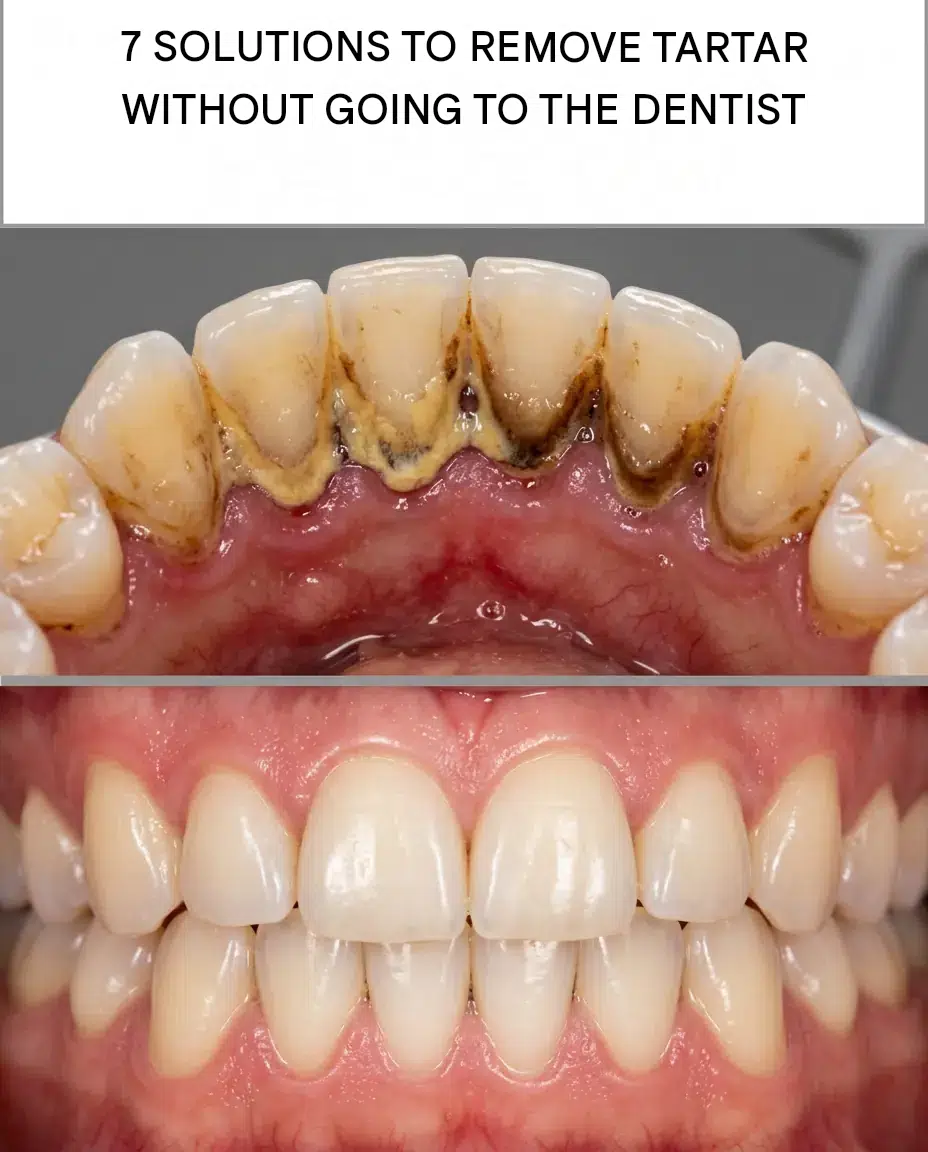
Maintaining a bright, healthy smile requires consistent attention to daily oral hygiene. Over time, soft bacterial plaque can harden into dental calculus (commonly known as tartar) along the gumline. While hardened tartar can safely only be fully removed by professional dental scalers, daily home care habits play a vital role in slowing plaque buildup and preserving gum health.
Relying solely on harsh home remedies or sharp DIY scaling tools can injure delicate gum tissues and scratch tooth enamel. A balanced, science-based approach focuses on natural antibacterial habits and effective plaque control.
In this comprehensive dental care guide, we will analyze how tartar forms, explore safe home remedies to control plaque before it hardens, review financial aspects of preventative dental health, and provide practical daily tips for long-term oral vitality.
What Causes Tartar and Why Professional Removal Matters
Understanding the difference between soft dental plaque and mineralized tartar helps clarify proper oral hygiene strategies.
1. Plaque Formation
Plaque is a sticky, colorless film of bacteria that constantly forms on teeth after eating. When sugars and starches combine with mouth bacteria, acids are produced that attack tooth enamel and irritate gum tissue.
2. Mineralization into Tartar
If plaque is not removed through daily brushing and flossing, it reacts with calcium and phosphate minerals present in saliva, calcifying into hard tartar within 24 to 72 hours. Once tartar forms, it creates a rough surface where more plaque adheres, potentially leading to gingivitis or periodontal disease.
7 Safe At-Home Methods to Control Plaque and Support Oral Health
While professional cleanings are essential for calcified tartar, these natural home practices help prevent new plaque from hardening.
1. Daily Tartar-Control Fluoride Toothpaste
Using a toothpaste formulated with pyrophosphates and zinc citrate prevents calcium salts from mineralizing into hard tartar crystals on the tooth surface.
2. Gentle Baking Soda Brushing
Baking soda (sodium bicarbonate) is a mild natural abrasive that helps neutralize harmful mouth acids and gently polishes away surface plaque stains without scratching enamel.
- Usage: Use a small amount mixed with water once or twice a week alongside regular toothpaste.
3. Antimicrobial Oil Pulling
Swishing a tablespoon of organic coconut oil in the mouth for 10 to 15 minutes draws out bacteria and reduces plaque accumulation through the natural antibacterial properties of lauric acid.
4. Diluted Hydrogen Peroxide Rinse
A mild 1.5% to 3% hydrogen peroxide solution mixed equally with water acts as an antibacterial rinse, helping kill plaque-causing bacteria and lighten minor surface discolorations.
5. Guava Leaves or Green Tea Rinse
Rinsing with brewed green tea or chewed guava leaves releases natural tannins and flavonoids that inhibit bacterial adhesion along the gumline.
6. Interdental Cleaning and Water Flossing
Using traditional dental floss or a water flosser daily removes soft plaque trapped between teeth where toothbrush bristles cannot reach, stopping tartar before it starts.
7. Chewing Raw Fibrous Vegetables
Snacking on crisp, fibrous vegetables like carrots, celery, and apples stimulates saliva production, which naturally washes away food debris and neutralizes bacterial acids.
Financial, Insurance, and Preventative Dental Planning
Preventative oral care offers substantial financial advantages compared to treating advanced dental issues.
- Lowering Long-Term Dental Bills: Daily preventative habits significantly reduce the likelihood of requiring complex restorative treatments like deep scaling (root planing), fillings, or root canals.
- Maximizing Insurance Coverage: Most dental insurance plans cover routine professional cleanings and preventative checkups at 100%, making biannual visits an affordable way to keep tartar under control.
Practical Daily Tips for Optimal Tooth and Gum Health
- Brush Twice Daily for Two Minutes: Use a soft-bristled toothbrush angled at 45 degrees toward the gumline using gentle, circular motions.
- Switch to an Electric Toothbrush: Electric toothbrushes with oscillating or sonic technology remove significantly more plaque than manual toothbrushes.
- Limit Sugary and Starchy Foods: Reducing frequent snacking on refined carbs decreases the fuel source for plaque-producing bacteria.
Conclusion
Preventing tartar buildup relies on consistent daily brushing, flossing, and natural plaque-control habits. By combining proper home care with regular professional dental checkups, you protect your gums, preserve tooth enamel, and maintain a bright, healthy smile for life.
Frequently Asked Questions (FAQ)
Can you safely remove hard tartar at home with metal scrapers?
No. Using sharp metal dental tools at home can damage delicate tooth enamel, puncture gum tissues, and cause severe infections. Hardened tartar should only be removed by a licensed dental professional using sterile instruments.
How fast does soft plaque turn into hard tartar?
Plaque can begin to mineralize and harden into tartar in as little as 24 to 72 hours if not thoroughly removed through daily brushing and flossing.
Does baking soda damage tooth enamel?
When used gently once or twice a week, baking soda is safe and effective. However, aggressive or daily scrubbing with abrasive powders can wear down protective enamel over time.
