
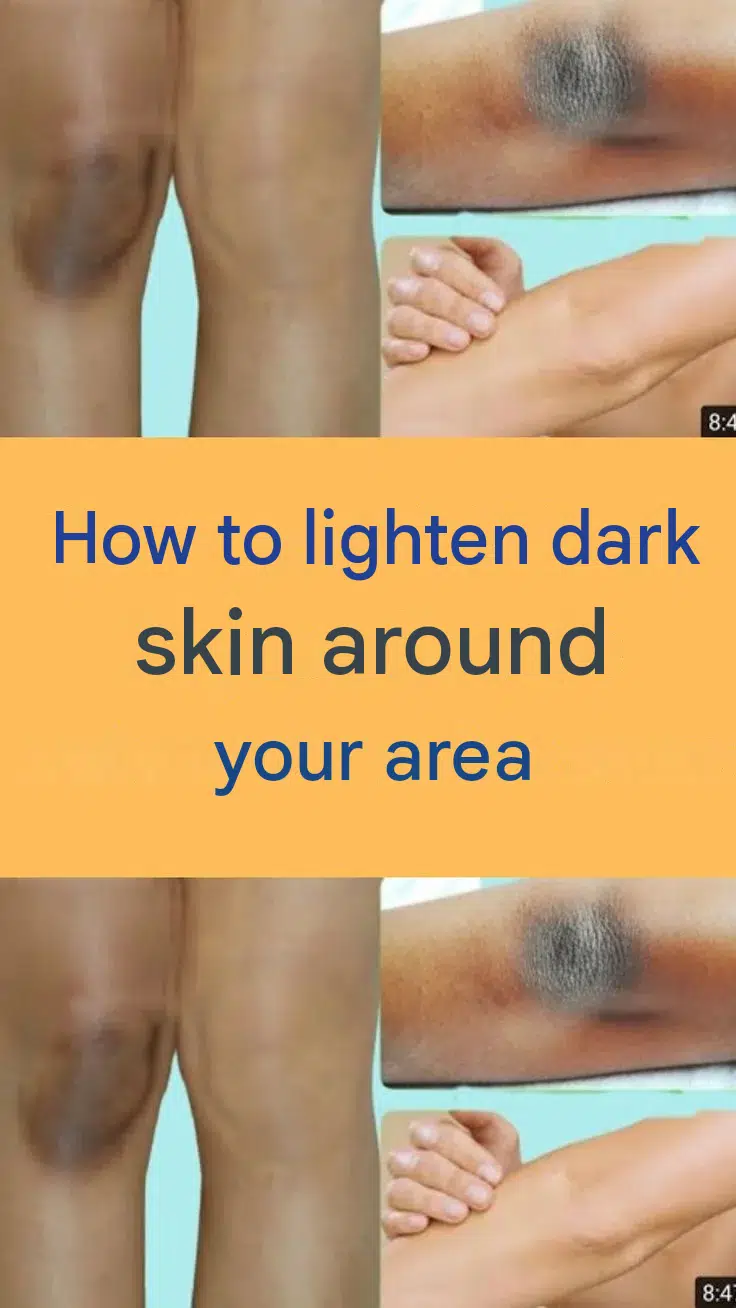
Hyperpigmentation around joint areas—such as knees, elbows, knuckles, and underarms—is a very common concern. Skin in these regions is naturally thicker and subjected to continuous mechanical friction, stretching, and pressure, which can trigger excess melanin production over time.
While viral DIY hacks often advocate harsh abrasive scrubs or acidic household juices that can cause micro-tears and worsen skin discoloration, understanding the root causes of hyperpigmentation allows for a safe, evidence-based approach to brightening skin.
In this comprehensive skincare and clinical guide, we will analyze what causes dark skin around joints, explore gentle topical treatments, discuss smart financial and dermatological care options, and provide practical daily habits for a smooth, even skin tone.
Causes of Dark Skin on Knees and Elbows
Understanding why joint areas darken helps in selecting the right topical ingredients and preventive measures.
1. Friction and Pressure (Post-Inflammatory Hyperpigmentation)
Frequent kneeling, resting elbows on hard surfaces, or tight clothing creates mechanical friction. In response to irritation, the skin thickens (hyperkeratosis) and produces extra melanin to protect itself, resulting in darker patches.
2. Dead Skin Cell Accumulation
Because joints bend constantly, dry and dead skin cells tend to accumulate more rapidly in these areas than on smooth skin, creating a dull, rough, and darkened appearance.
3. Acanthosis Nigricans
In some cases, velvety dark patches in skin folds, around the neck, or on joints indicate Acanthosis Nigricans—a benign skin manifestation frequently associated with insulin resistance, prediabetes, or hormonal imbalances.
4. Sun Exposure and Lack of Hydration
Unprotected sun exposure accelerates melanin production on exposed joints, while a lack of deep moisturizing leaves the skin barrier compromised and prone to hyperpigmentation.
Safe, Effective Skincare Ingredients to Even Skin Tone
Dermatologists recommend targeted chemical exfoliants and brightening agents over aggressive physical scrubbing.
1. Chemical Exfoliants (Alpha & Beta Hydroxy Acids)
- Lactic Acid and Glycolic Acid (AHAs): Gently dissolve the cellular bonds holding dead, pigmented skin cells together, promoting smoother texture and gradual brightening.
- Salicylic Acid (BHA): Penetrates thick skin layers to clear pores and exfoliate rough, hardened patches.
2. Urea and Ammonium Lactate
High-concentration urea creams (10% to 20%) act as powerful keratolytic agents that break down thick, rough skin while deeply hydrating the skin barrier.
3. Brightening Ingredients
- Niacinamide (Vitamin B3): Inhibits melanin transfer to skin cells while strengthening the natural moisture barrier and reducing redness.
- Vitamin C and Licorice Root Extract: Potent antioxidants that inhibit tyrosinase (the enzyme responsible for melanin synthesis) and brighten skin tone over time.
Financial, Insurance, and Dermatological Guidance
Addressing hyperpigmentation effectively involves choosing cost-conscious products and knowing when professional evaluation is necessary.
Cost-Effective Over-the-Counter Options
You do not need expensive luxury serums to brighten dark knees or elbows. Affordable drugstore body lotions containing lactic acid, urea, or niacinamide offer clinical-grade exfoliation at a fraction of high-end skincare costs.
Insurance and Medical Consultations
While cosmetic skin brightening is generally not covered by health insurance, consulting a board-certified dermatologist is valuable if dark patches appear suddenly or stem from underlying conditions like insulin resistance. Medical treatments for metabolic factors may be covered under primary healthcare plans.
Practical Daily Habits to Prevent and Reduce Dark Joints
- Moisturize Daily with Rich Emollients: Apply thick creams containing shea butter, ceramides, or petroleum jelly immediately after showering to lock in moisture.
- Apply Broad-Spectrum Sunscreen: Protect exposed knees and elbows with SPF 30 or higher to prevent UV rays from darkening hyperpigmented areas further.
- Minimize Direct Friction: Avoid prolonged leaning on hard desks or kneeling on rough surfaces without protective padding or clothing.
- Avoid Harsh Scrubbing: Steer clear of harsh loofahs or coarse pumice stones, as aggressive physical scrubbing can cause micro-injuries that trigger further darkening.
Conclusion
Lightening dark skin on knees and elbows requires patience, consistency, and gentle care. By combining chemical exfoliants like lactic acid and urea with daily moisturizing, sun protection, and friction prevention, you can safely restore a smooth, even, and radiant complexion.
Frequently Asked Questions (FAQ)
Is lemon juice safe to use for lightening dark knees and elbows?
It is not recommended. Pure lemon juice is highly acidic and can cause severe skin irritation, chemical burns, or phytophotodermatitis—a reaction where sun exposure after citrus contact leads to worse hyperpigmentation and blistering.
How long does it take to see results when treating dark joint areas?
Because joint skin is thicker than facial skin, noticeable improvements typically take 6 to 12 weeks of consistent daily hydration, gentle exfoliation, and sun protection.
When should dark skin on joints be checked by a doctor?
If dark patches are velvety in texture, spreading rapidly, or appearing alongside fatigue or unexplained weight changes, consult a physician to evaluate for potential insulin resistance or thyroid conditions.
