
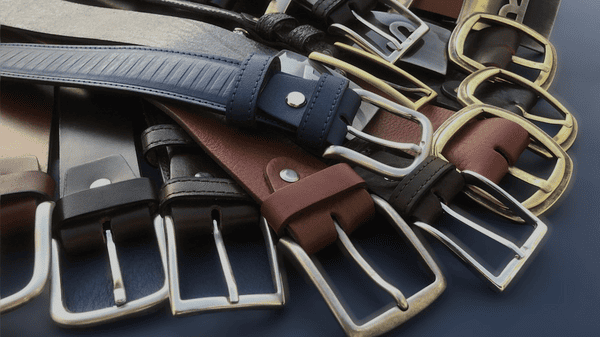
A high-quality leather belt is one of the most fundamental accessories in classic menswear. Beyond holding trousers comfortably in place, a well-crafted belt unifies an outfit, bridging the gap between tops and bottoms while adding a touch of refined craftsmanship.
Choosing the right belt requires an understanding of leather grades, buckle styles, and color matching rules. Investing in well-made leather goods elevates daily attire while ensuring long-term durability that outlasts synthetic alternatives.
In this comprehensive accessory and wardrobe guide, we will analyze leather belt construction, explore buckle designs and finish pairings, review smart financial choices when purchasing accessories, and provide practical care tips for maintaining full-grain leather.
Key Factors in Choosing a High-Quality Leather Belt
Evaluating the construction, materials, and width of a leather belt ensures maximum durability and stylistic fit.
1. Understanding Leather Grades
- Full-Grain Leather: The highest quality leather cut, featuring the complete top layer of skin. It retains natural strength, ages gracefully, and develops a rich patina over time.
- Top-Grain Leather: Slightly refined to remove surface imperfections. It is durable and offers a smooth, uniform finish suitable for formal dress belts.
- Genuine or Genuine-Bonded Leather: Made from leftover leather scraps pressed together with adhesives. These tend to peel, crack, and wear out quickly after regular use.
2. Matching Belt Width to the Occasion
- Dress Belts (1 to 1.25 inches wide): Sleeker and narrower, designed to fit cleanly through tailored suit trousers and formal slacks.
- Casual Belts (1.5 to 1.75 inches wide): Wider and sturdier, designed to pair with denim jeans, chinos, and heavy-duty workwear.
Master the Rules of Leather and Hardware Matching
Harmonizing your accessory colors and metal hardware finishes creates a polished, cohesive aesthetic.
Leather Color Coordination
- Match Leathers to Shoes: The fundamental rule of classic styling is pairing your belt color with your footwear—black leather belts with black dress shoes, and brown belts with matching shades of brown or tan shoes.
- Versatile Neutral Shades: Dark brown, navy, and cognac belts offer outstanding versatility across casual and smart-casual wardrobes.
Buckle Finishes and Metals
- Silver and Nickel Buckles: Pair seamlessly with stainless steel watches, white gold rings, and cool-toned outfit palettes.
- Brass and Gold Buckles: Complement warm earth tones, brown leather boots, and classic gold jewelry or watch cases.
Financial and Smart Shopping Considerations
Investing in fine leather accessories yields long-term savings by reducing replacement frequency.
- Cost per Wear Value: While genuine full-grain leather belts carry higher upfront prices ($50 to $120), their multi-year lifespan offers far superior value compared to inexpensive synthetic belts ($15 to $20) that deteriorate within months.
- Reversible Belt Considerations: Dual-sided reversible belts offer two colors in one strap. However, high-frequency rotation can stress the swiveling buckle mechanism, so standalone straps often last longer.
Practical Care Tips for Maintaining Leather Belts
- Store Properly: Hang belts vertically from a dedicated rack or coil them loosely in a drawer to avoid creasing or warping the leather.
- Condition Periodically: Apply a quality leather conditioner every 6 months to keep the hide supple, prevent drying, and protect against humidity.
- Rotate Usage: Avoid wearing the same belt daily. Alternating between two or three belts gives the leather time to rest and release moisture.
Conclusion
A well-crafted leather belt combines timeless style with everyday utility. By selecting full-grain leather, matching hardware with your wardrobe, and maintaining your leather goods regularly, you build a stylish accessory collection that lasts for years.
Frequently Asked Questions (FAQ)
What size belt should I buy relative to my pant waist size?
As a general rule, purchase a belt that is one size larger than your trouser waist size. For example, if you wear size 34 pants, select a size 36 belt to ensure it fastens comfortably on the center hole.
Can you wear a brown belt with black shoes?
Traditional menswear guidelines advise against pairing brown belts directly with black shoes for formal occasions. However, for casual outfits, neutral tones can be combined if other elements balance the look.
How can you tell if a belt is real full-grain leather?
Full-grain leather has a distinct natural hide scent, subtle grain texture variations, and a firm yet flexible feel. It does not feel rubbery or have plastic-coated edges typical of bonded leather.
